富足一代

Search documents
“富足一代”年轻人,与父辈的冲突从何而来?
Di Yi Cai Jing· 2026-02-13 03:20
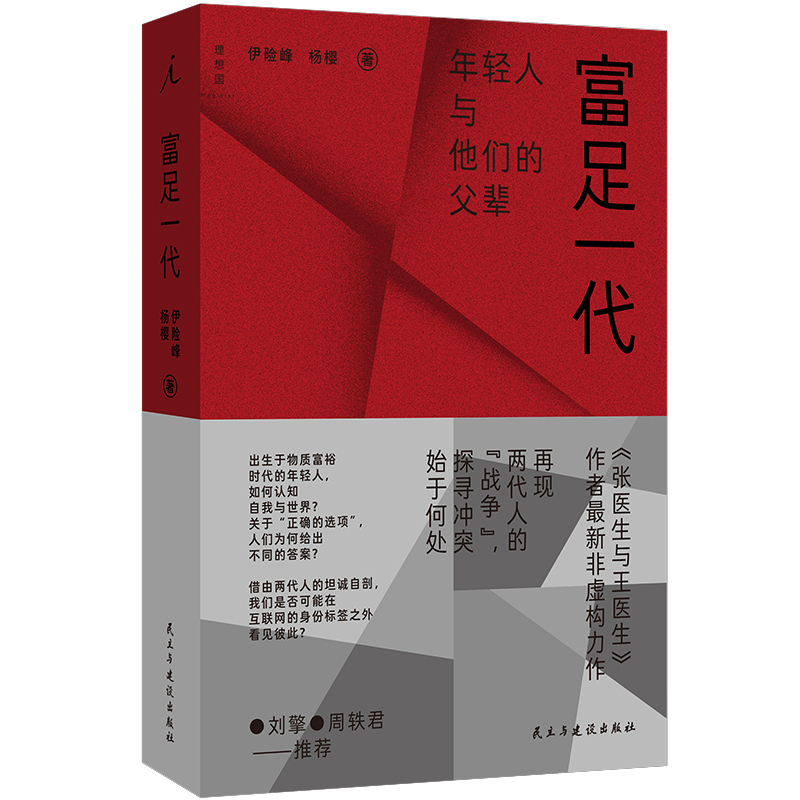
Group 1 - The core idea of the article revolves around the generational differences between the "wealthy generation" (born between 1995-2005) and their parents, highlighting how their upbringing in a more affluent environment has shaped their perspectives and values [1][2][4] - The authors, Yi Xianfeng and Yang Ying, conducted interviews to explore the thoughts and experiences of young people, aiming to understand the formation of their differing viewpoints compared to their parents [2][3] - The book "The Wealthy Generation: Young People and Their Parents" is the first non-fiction work in China to present the conflicts in identity politics, concepts, and thoughts between two generations [1][2] Group 2 - The "wealthy generation" is characterized by a diverse background, with interviewees coming from various family situations, yet sharing a common experience of growing up in a digitally connected environment [4][8] - The authors observed that young people are often misunderstood due to preconceived notions, and their experiences reveal a complex interplay of confidence, confusion, and contradictions in their beliefs [5][7] - The book also discusses how young individuals from affluent families may not necessarily rebel against their parents, as they often accept the advantages provided by their family's wealth [9][10]

第一财经年度行知图书 | 走进现场,捕捉时代的微光
Di Yi Cai Jing· 2026-01-16 03:49
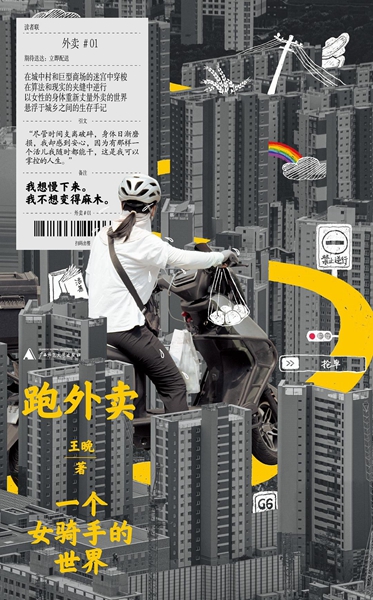
Core Insights - The article discusses a new book category "Xingzhi" established by Yicai since 2023, focusing on works that explore complex realities and deep histories through on-site observations and human experiences [1] Group 1: Book Summaries - "Run Takeaway" by Wang Wan provides a detailed account of the author's experiences as a female delivery rider in a predominantly male industry, highlighting the challenges and gender identity issues faced [2] - "Feeding AI" presents the real experiences of workers in the AI industry, based on over ten years of research involving more than 200 workers, revealing the precarious conditions and the loss of bargaining power among laborers [2][15] - "The Affluent Generation" is the first non-fiction work focusing on the identity politics and thought processes of young urban Chinese born between 1995 and 2005, contrasting their experiences with those of their parents [3][9] - "Moral Disengagement" by Albert Bandura analyzes the psychological mechanisms behind moral disengagement in various sectors, providing insights into how individuals justify unethical behavior [5][18] - "The Shadow of the Sun" by Ryszard Kapuściński documents the author's extensive observations in Africa over 40 years, presenting a nuanced view of the continent's struggles and cultural complexities [6][13] Group 2: Societal Reflections - The selected books reflect the current societal realities, including the impact of new technologies, industries, and generational identity crises, emphasizing shared human experiences across different contexts [1][4] - The narratives in "Run Takeaway" and "Feeding AI" highlight the inequalities present in labor markets and the broader implications of technological advancements on workers' rights and identities [3][15] - "The Affluent Generation" illustrates the generational divide in values and experiences, shaped by the socio-economic changes in China over the past 40 years, and the resulting identity conflicts [4][9]
第一财经年度人文图书|寻找“我们”共同的故事
Di Yi Cai Jing· 2026-01-09 03:09
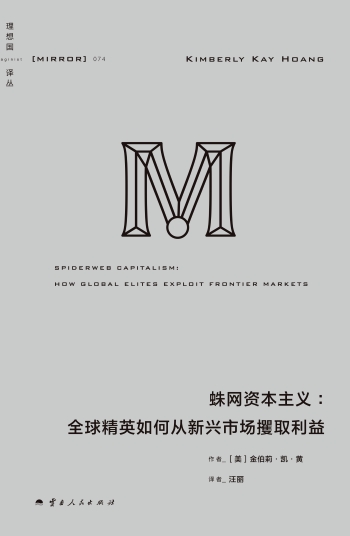
Group 1 - The core idea of the articles revolves around the voices of marginalized groups, particularly vocational school students and female delivery riders, highlighting their struggles and resilience in society [1][22][39] - The book "I Am a Vocational Student" by Lu Qianyi captures the narratives of vocational school students, emphasizing their often overlooked experiences and the impact of their backgrounds on their life choices [1][39] - "Running Takeout: A Female Rider's World" by Wang Wan explores the challenges faced by female delivery riders, detailing their physical and emotional struggles in a male-dominated industry [22][23] Group 2 - The concept of "Spider Web Capitalism" introduced by Kimberly Kay Huang illustrates the informal networks that allow wealthy individuals to exploit emerging markets, raising concerns about global inequality [9][10] - "The Reconstruction of Civilization" by Conrad H. J. Yalow discusses Germany's post-war societal transformation, focusing on how the country reconciled with its past and built a more inclusive public society [12][14] - Neil MacGregor's "Gods: 40,000 Years of People, Objects, and Beliefs" examines the role of faith in shaping human identity and community, addressing both major global religions and localized belief systems [16][18]
“年轻人如今已经没什么可失去的了”
虎嗅APP· 2025-12-13 13:23
Core Viewpoint - The article discusses the generational divide between the "wealthy generation" (born between 1995 and 2005) and their parents, highlighting the contrasting perceptions of opportunity and responsibility in a rapidly changing socio-economic landscape [4][5]. Group 1: Generational Conflict - The younger generation feels a sense of deprivation despite being labeled as the "wealthy generation," as they face increased competition and reduced social mobility [4][5]. - There is a significant misunderstanding between generations, with parents questioning the younger generation's reluctance to take on societal responsibilities, while the youth express feelings of being trapped and lacking opportunities [4][5][11]. Group 2: Societal Context - The article emphasizes that the current socio-economic environment, shaped by decades of reform and development, has created a complex reality for the younger generation, who perceive themselves as having little to lose [10][14]. - The rise of mobile internet and consumerism has significantly influenced the lifestyle and values of the younger generation, leading to a unique set of challenges and expectations [11][12]. Group 3: Perspectives on Wealth and Opportunity - The concept of "wealth" is portrayed as relative, with many in the younger generation feeling that the opportunities available to their parents are no longer accessible to them [10][15]. - The article notes that the younger generation's understanding of justice and opportunity often clashes with that of their parents, leading to further generational tensions [17][18].