蛛网资本主义

Search documents
第一财经年度历史图书 | 由过往致知今日
Di Yi Cai Jing· 2026-01-16 03:49
Core Insights - The article discusses the significance of historical literature in contemporary reading, highlighting the balance between academic rigor and accessibility for general readers [1][2][3] Group 1: Historical Literature Trends - Historical books continue to dominate the humanities reading sector, with annual selections reflecting concerns about target audiences, narrative styles, and contemporary relevance [1] - This year's notable historical books include "Gods: 40,000 Years of People, Objects, and Beliefs" and "The Life of William Morris," which provide engaging narratives and rich information [2][3] Group 2: Notable Works and Authors - "Gods" by Neil MacGregor presents a narrative of human religious beliefs through over 100 artifacts, making complex ideas accessible [2][15] - "The Life of William Morris" offers a comprehensive look at the influential designer's life and impact on modern aesthetics, intertwining his personal and professional journeys [2][17][18] - "Web Capitalism" by Kimberly Kay Hoang explores the informal networks of capital flow in globalization, revealing how elites exploit emerging markets [5][6] - "The Reconstruction of Civilization: Fifty Years of Post-War Germany" by Conrad H. J. Jahraus examines Germany's historical reconciliation post-World War II [8] - "The Dark Struggle: A Scholar's Cultural Resistance" by Wu Zhen provides a vivid account of cultural resistance during wartime, focusing on the preservation of Chinese literature [22] - "The Myth of Beauty: How the Illusion of Beauty Binds Women" by Naomi Wolf critiques societal beauty standards and their impact on women's lives [20] Group 3: Themes and Perspectives - The selected historical works reflect a blend of macro and micro perspectives, addressing both grand narratives and individual experiences [1][3] - The books engage with contemporary issues, such as gender, politics, and social dynamics, providing fresh insights for modern readers [2][3][20]

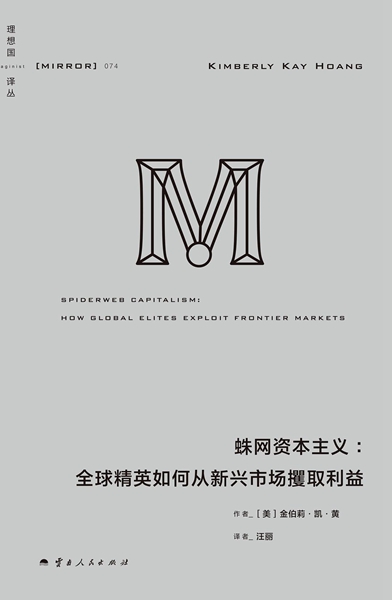
第一财经年度人文图书|寻找“我们”共同的故事
第一财经· 2026-01-10 04:12
Core Viewpoint - The article emphasizes the importance of recognizing and amplifying the voices of vocational school students in China, a group often overlooked in mainstream narratives. It highlights their struggles, resilience, and the need for societal acknowledgment and understanding of their experiences [3][67]. Summary by Sections Section on Vocational School Students - The book "I Am a Vocational Student" by Lu Qianyi presents the stories of 12 students, revealing their backgrounds and the challenges they face, including negative experiences with teachers and family issues that influenced their educational paths [67][68]. - Many students express feelings of being marginalized and the impact of their family dynamics on their academic choices, with some feeling they had only one chance at success compared to others who had multiple opportunities [67][68]. Section on Broader Societal Context - The article draws parallels between the experiences of vocational students and broader societal issues, suggesting that their stories reflect a larger narrative of youth struggling against systemic barriers and societal expectations [3][67]. - It calls for a shift in perception, urging society to view these students not as "others" but as integral parts of the community, deserving of empathy and support [3][67].
第一财经年度人文图书|寻找“我们”共同的故事
Di Yi Cai Jing· 2026-01-09 03:09
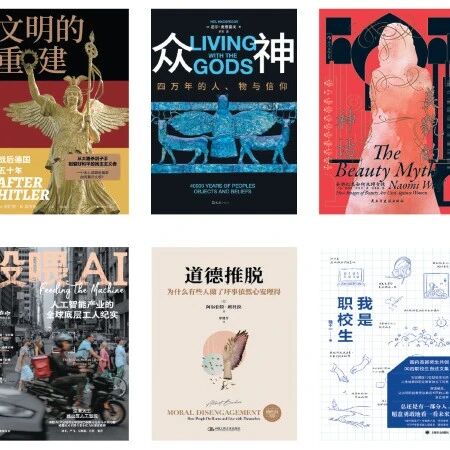
Group 1 - The core idea of the articles revolves around the voices of marginalized groups, particularly vocational school students and female delivery riders, highlighting their struggles and resilience in society [1][22][39] - The book "I Am a Vocational Student" by Lu Qianyi captures the narratives of vocational school students, emphasizing their often overlooked experiences and the impact of their backgrounds on their life choices [1][39] - "Running Takeout: A Female Rider's World" by Wang Wan explores the challenges faced by female delivery riders, detailing their physical and emotional struggles in a male-dominated industry [22][23] Group 2 - The concept of "Spider Web Capitalism" introduced by Kimberly Kay Huang illustrates the informal networks that allow wealthy individuals to exploit emerging markets, raising concerns about global inequality [9][10] - "The Reconstruction of Civilization" by Conrad H. J. Yalow discusses Germany's post-war societal transformation, focusing on how the country reconciled with its past and built a more inclusive public society [12][14] - Neil MacGregor's "Gods: 40,000 Years of People, Objects, and Beliefs" examines the role of faith in shaping human identity and community, addressing both major global religions and localized belief systems [16][18]
酒精与性,富豪们的交易“投名状”
Sou Hu Cai Jing· 2025-12-03 00:39
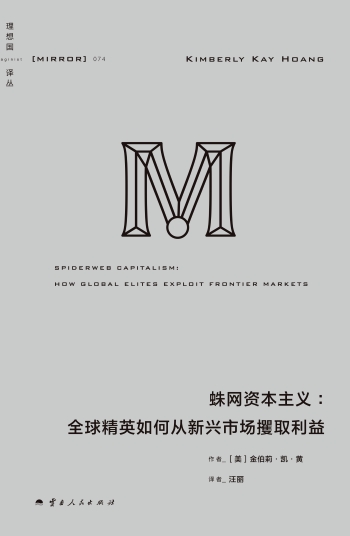
Core Insights - The article discusses the complex and often morally ambiguous nature of high-stakes financial transactions, emphasizing the importance of trust and personal relationships in securing deals within a "dark jungle" of capital players [2][4][5]. Group 1: Trust and Relationships in Transactions - Trust in financial transactions is built through personal relationships, often requiring connections with local partners and government officials [6][7]. - The concept of "same-sex social bonding rituals" is highlighted as a means to establish trust, where personal relationships are often intertwined with unethical practices such as bribery and sexual exploitation [8][10][11]. - The article illustrates how these relationships are crucial for navigating bureaucratic processes and securing project approvals, with a focus on the necessity of maintaining a network of mutual dependence among male investors and officials [14][15]. Group 2: Gender Dynamics in Investment - The narrative reveals a stark contrast between traditional male-dominated investment practices and emerging strategies that focus on female entrepreneurs, who are perceived as more trustworthy and reliable [19][20][21]. - Richard, a CEO, adopts a unique approach by targeting female-led businesses, believing that they represent an overlooked market and are often more dependable than their male counterparts [17][19]. - The article emphasizes that female entrepreneurs can foster a more stable and honest investment environment, challenging the prevailing norms of male-centric business dealings [21][23]. Group 3: Ethical Considerations and Market Dynamics - The text critiques the normalization of unethical practices in investment, where engaging in "gray market" activities is often seen as necessary for success [16][21]. - It discusses the implications of these practices on broader societal structures, highlighting how wealth and power dynamics can distort social order and perpetuate inequality [4][35][36]. - The author calls attention to the need for alternative investment strategies that avoid the pitfalls of corruption and exploitation, advocating for a more ethical approach to capital deployment in emerging markets [16][21].