《最美故宫》终身珍藏版

Search documents
今夜,故宫热搜第一!300万人直呼:中式顶级浪漫,具象化了
首席商业评论· 2025-12-17 04:34
Core Viewpoint - The article emphasizes the cultural and historical significance of the Forbidden City, highlighting its architectural wisdom and the rich history behind its artifacts, which transcend mere aesthetics [4][11][24]. Group 1: Architectural and Cultural Significance - The Forbidden City is designed according to the principles of Yin and Yang, with all major palaces oriented north-south, symbolizing harmony [5]. - At noon on the winter solstice, sunlight reflects off the golden bricks of the Qianqing Palace, illuminating the "Zhengda Guangming" plaque, showcasing the advanced understanding of astronomy and architecture by ancient Chinese [7][11]. - The architectural beauty of the Forbidden City is complemented by the deep historical narratives behind each artifact, making it a treasure trove of Chinese history [12][13]. Group 2: Historical Narratives and Artifacts - The article recounts poignant historical moments associated with specific locations within the Forbidden City, such as the emotional ties of Emperor Shunzhi to his late wife and Emperor Yongzheng's dedication to his work [15][19]. - The artifacts within the Forbidden City, from bronze vessels to exquisite porcelain, represent the pinnacle of ancient Chinese craftsmanship and aesthetic values [26][27]. - The narrative emphasizes that many visitors overlook the profound historical context of the artifacts, often only experiencing the surface-level beauty [29][31]. Group 3: Publication and Promotion of Cultural Heritage - A new publication titled "The Most Beautiful Forbidden City" is introduced, which compiles treasures from the Forbidden Cities of Beijing, Shenyang, Nanjing, and Taipei, aiming to provide a comprehensive visual and historical experience [33][40]. - The book features over 400 significant artifacts and artworks, showcasing the evolution of Chinese aesthetics over 5000 years, making it a valuable resource for understanding Chinese culture [51][118]. - The publication is currently offered at a promotional price, making it accessible for a wider audience, thus promoting the appreciation of Chinese cultural heritage [66][162].

一场极端暴雨,让故宫凭实力又火一次!
凤凰网财经· 2025-08-14 14:14
Core Viewpoint - The article highlights the architectural wisdom and historical significance of the Forbidden City, emphasizing its cultural and aesthetic value beyond mere tourism [2][3][9]. Group 1: Architectural Wisdom - The Forbidden City is designed with a north-south orientation, embodying the principles of yin and yang, which reflects ancient Chinese philosophy [3][8]. - On winter solstice, sunlight illuminates the "Zheng Da Guang Ming" plaque in Qianqing Palace, showcasing the integration of astronomy and architecture [5][6]. Group 2: Historical Significance - Each palace within the Forbidden City holds rich historical narratives, such as the emotional story of Emperor Shunzhi and his late wife [12][16]. - The artifacts within the Forbidden City represent the pinnacle of ancient Chinese aesthetics and craftsmanship, spanning various dynasties and styles [18][45]. Group 3: Cultural Heritage - The article discusses the importance of understanding the history behind each artifact, as they symbolize the resilience and continuity of Chinese civilization [73][91]. - It emphasizes that the Forbidden City is not just a collection of buildings but a testament to 5,000 years of Chinese cultural heritage [59][66]. Group 4: Publication Promotion - A new book titled "The Most Beautiful Forbidden City" is introduced, featuring over 400 artifacts from four different palaces, aimed at providing a comprehensive understanding of Chinese aesthetics [24][95]. - The book is presented as a valuable resource for both personal enjoyment and as a gift, with a promotional price significantly lower than its original value [56][129].
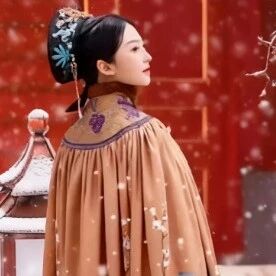
被特批在故宫拍照,气场全开,网友:中国美绝了
凤凰网财经· 2025-05-25 13:30
Core Viewpoint - The article emphasizes the cultural and historical significance of the Forbidden City, highlighting its architectural beauty and the rich history behind each artifact, while promoting a comprehensive book that encapsulates the essence of this heritage [12][18][75]. Group 1: Historical and Cultural Significance - The Forbidden City is not just an architectural marvel but a living history of Chinese civilization, containing 186 million artifacts that reflect the aesthetic and artistic achievements of ancient China [15][18]. - Each artifact in the Forbidden City tells a story, from the emotional tributes of emperors to the artistic expressions of various dynasties, showcasing the depth of Chinese culture [6][12][111]. - The article critiques the portrayal of the Forbidden City in media, suggesting that it often oversimplifies or distorts its rich history, leading to misconceptions among younger generations [14][15]. Group 2: The Book Promotion - The article introduces a unique book titled "The Most Beautiful Forbidden City," which compiles treasures from four major palaces, offering a visual and educational experience of Chinese art and history [27][38][115]. - This book features over 400 artifacts, paintings, and architectural details, aiming to provide readers with an immersive understanding of Chinese aesthetics and cultural heritage [49][115]. - The promotional offer includes a significant discount, making the book accessible for a broader audience, along with exclusive gifts for early purchasers [66][71][160]. Group 3: Visual and Aesthetic Experience - The book is designed to provide a high-quality visual experience, with large format pages and meticulous attention to detail, allowing readers to appreciate the beauty of each artifact [142][146]. - It includes rare long fold-out pages and high-definition reproductions of famous artworks, enhancing the reader's engagement with the content [148][151]. - The article suggests that owning this book is not just about reading but about experiencing and preserving the essence of Chinese art and culture for future generations [36][71][75].
被特批在故宫拍照,气场全开,网友:中国美绝了
凤凰网财经· 2025-05-23 12:51
Core Viewpoint - The article emphasizes the cultural and historical significance of the Forbidden City, highlighting its architectural beauty and the rich history behind its artifacts, while promoting a special book that encapsulates this heritage. Group 1: Cultural Significance - The colors red, yellow, and blue symbolize the grandeur and history of the Forbidden City, representing 600 years of imperial legacy and timeless craftsmanship [2][4]. - The Forbidden City is not just an architectural marvel but a living history of Chinese civilization, housing 1.86 million artifacts that reflect the aesthetic values and artistic achievements of ancient China [15][18]. Group 2: Historical Narratives - The article recounts poignant historical moments, such as Emperor Shunzhi's grief for his wife and Emperor Yongzheng's dedication to his work, illustrating the human stories behind the palace [6][9][11]. - It critiques the portrayal of the Forbidden City in media, which often focuses on sensationalized narratives, overshadowing the true historical depth and the significance of its collections [14][15]. Group 3: Book Promotion - A special book titled "The Most Beautiful Forbidden City" is introduced, featuring a comprehensive collection of artifacts from four major palaces, aiming to provide an immersive experience of Chinese art and history [27][28]. - The book is presented as a lifelong treasure, designed to enhance understanding of architectural aesthetics and Eastern art, making it suitable for both personal enjoyment and as a gift [30][71]. Group 4: Visual and Artistic Value - The book includes over 400 representative works, showcasing the evolution of Chinese aesthetics from various dynasties, and is described as a visual feast that captures the essence of Chinese culture [115][139]. - It features high-quality reproductions and detailed photography, allowing readers to appreciate the intricate details of the artifacts and artworks [142][146]. Group 5: Accessibility and Pricing - The book is offered at a promotional price of 399 yuan, significantly lower than its original price of 1298 yuan, making it more accessible to a wider audience [63][160]. - Additional gifts are included with the purchase, enhancing the value proposition for potential buyers [67][164].