《飙酷车神》

Search documents
GOG被甩卖,玩家其实并不介意“租游戏”
3 6 Ke· 2026-01-06 12:19
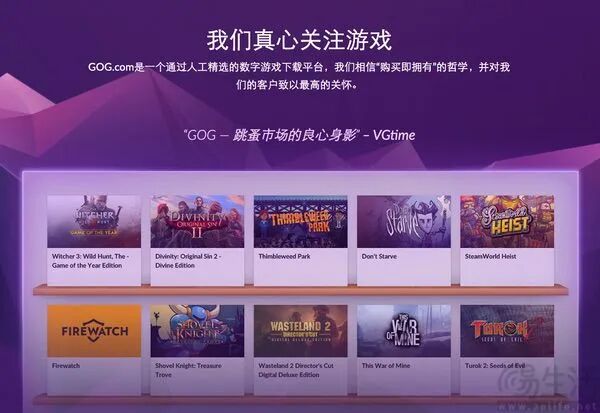
Core Viewpoint - The article discusses the ongoing debate about whether digital games are merely rentals rather than purchases, with Steam's recent clarification fueling player outrage and highlighting the contrasting approach of GOG, which emphasizes true ownership of games [1][3]. Group 1: Steam's Position - Steam has explicitly stated that digital games are considered rentals, not purchases, leading to significant backlash from the gaming community across various platforms [1][3]. - Despite this revelation, Steam's user engagement remains high, with record numbers of concurrent users, indicating that many players accept the reality of purchasing usage rights rather than ownership [4][6]. Group 2: GOG's Unique Approach - GOG differentiates itself by allowing players to have true ownership of games, offering DRM-free titles that can be downloaded, backed up, and reinstalled without restrictions [3][7]. - CD Projekt, the parent company of GOG, recently sold the platform to its co-founder for 177 million RMB, indicating a strategic shift despite GOG's unique selling proposition [3][4]. Group 3: Market Dynamics - GOG's revenue was approximately 47 million euros last year, with a net profit of only 268,000 euros, raising questions about its long-term viability compared to Steam's estimated revenue of over 16 billion USD [3][4]. - The gaming community's emotional connection to games often overshadows concerns about ownership, as most players do not mind whether they are renting or buying, unless a game is announced for shutdown [6][9]. Group 4: Community and Experience - The experience provided by distribution platforms is crucial, with Steam being viewed as a community hub, while Epic Games is seen merely as a storefront [9][11]. - GOG's lack of community engagement and reliance on its DRM-free model may not be sufficient to attract players away from more community-oriented platforms like Steam [11].

Steam对成人内容“动手”,是因为无奈?
虎嗅APP· 2025-07-29 09:23
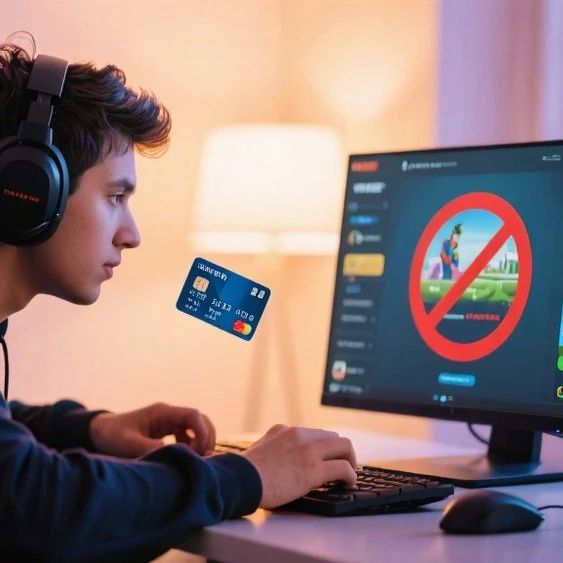
Core Viewpoint - Valve's recent tightening of adult content regulations on Steam has raised concerns among players and developers about the platform's future content policies and the influence of payment processors [2][10][12]. Summary by Sections Recent Changes in Regulations - Valve updated the Steamworks developer platform documentation, adding a new rule that prohibits content that may violate payment processors' standards, particularly regarding adult content [2][4]. - Over 100 games were marked as "Retired" within two days of the announcement, many of which contained adult themes [4][10]. Payment Processor Influence - The primary reason for the new restrictions stems from pressure from payment processors like Visa and Mastercard, which have been increasingly cautious about servicing adult content-related businesses [7][10]. - Valve's actions are seen as a passive response to the risk of losing payment processing services if they do not comply with these pressures [10][12]. Implications for Content Ownership - The situation highlights the fragility of digital content ownership, as players may lose access to games they have purchased if the developers decide to remove them from the platform [15][16]. - The user agreement on Steam indicates that players do not own the games they purchase, raising concerns about the implications of such policies on digital rights [16][17]. Broader Trends in Content Regulation - The tightening of content regulations is not limited to Steam; similar pressures have been observed on platforms like OnlyFans and Patreon, where payment processors have influenced content policies [20][21]. - The trend suggests that payment processors may increasingly dictate what content can be sold on various platforms, leading to greater uncertainty for developers and players alike [24][25].
Steam对成人内容“动手”,是因为无奈?
Hu Xiu· 2025-07-29 00:19
Core Points - Valve has tightened its management of adult content on the Steam platform, leading to concerns among developers and players [2][3][5] - Over 100 games have been marked as "Retired" within two days due to violations related to adult content, with ongoing removals [5][6] - The pressure from payment processors, particularly Visa and Mastercard, is a significant factor behind these changes, as they have previously withdrawn services from adult content platforms [10][14][36] Summary by Sections Valve's Actions - Valve updated the Steamworks developer documentation to include stricter rules against adult content, specifically prohibiting content that violates payment processor standards [3][4] - The company stated that the removal of games was a response to notifications from payment processors regarding potential violations [5][9] Impact on Games - Many of the removed games featured controversial themes, raising concerns about the future of adult content on the platform [6][12] - The removals are not limited to specific regions but are a broader response to payment channel requirements [34][35] Industry Context - The actions taken by Valve reflect a wider trend in the industry where payment processors exert significant influence over content availability, as seen with platforms like OnlyFans and Patreon [27][38][40] - Organizations like Collective Shout have actively campaigned against adult content on platforms like Steam, further pressuring payment processors to withdraw services [17][18] User Reactions - Players have expressed dissatisfaction with Valve's decision, fearing it sets a precedent for further restrictions on content based on payment processor standards [25][26][37] - Concerns have been raised about the potential for a slippery slope, where more types of content could be targeted for removal in the future [26][39]