
一次性塑料杯

Search documents
致癌物超标3倍!很多人家里有,网友:吓得我赶紧全扔了
Xin Lang Cai Jing· 2026-02-09 05:10
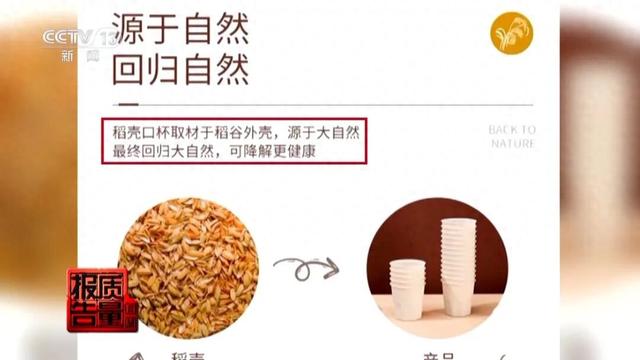
Core Viewpoint - The market for biodegradable disposable cups is experiencing rapid growth due to environmental concerns, but many consumers struggle to distinguish between truly biodegradable and non-biodegradable products [1][3]. Group 1: Testing and Findings - The Shanghai Consumer Protection Committee conducted a comparative test on 40 samples of disposable cups, including plastic, paper, and those claiming to be biodegradable from plant materials [3]. - A specific cup claimed to be biodegradable but contained added polypropylene (PP) plastic, which prevented it from fully degrading over time [5][6]. - The testing revealed that some cups labeled as biodegradable were not, due to the inclusion of non-biodegradable materials, leading to consumer confusion [11]. Group 2: Health and Safety Concerns - The "Huilin" brand disposable tea cup was found to have 3-chloro-1,2-propanediol levels exceeding national safety limits by three times, posing potential health risks [13]. - The "Yingjie" brand paper cup was detected with total fluorine content exceeding safety standards, attributed to the inclusion of fluorinated compounds that are non-degradable and can accumulate in the environment [16]. - Experts indicated that the presence of harmful substances is often a result of companies prioritizing cost-cutting measures over safety [18]. Group 3: Industry Recommendations - Experts suggest that the rapid evolution of materials and technologies in the disposable cup industry necessitates timely updates to standards and increased government regulation to ensure safe and environmentally friendly products [19][21]. - The industry is encouraged to self-regulate and for regulatory bodies to implement measures that enhance the safety and environmental performance of disposable cups [21].

韩国为促进环保计划对一次性塑料杯收费
Qi Lu Wan Bao· 2025-12-23 10:50
Group 1 - The South Korean government plans to charge for disposable plastic cups used in restaurants and cafes, aiming to promote environmental sustainability [1] - Starting from 2027, the government will prohibit food and beverage businesses from providing disposable plastic cups for free, requiring consumers to pay for them [1]
提倡环保 韩国计划对一次性塑料杯收费
Xin Hua She· 2025-12-22 06:12
Core Viewpoint - South Korea plans to charge for disposable plastic cups used in restaurants and cafes starting in 2027, aiming to promote environmental sustainability while raising concerns among businesses about potential impacts on sales [1][3]. Group 1: Policy Changes - The South Korean government will prohibit food and beverage businesses from providing disposable plastic cups for free, requiring consumers to pay for them [1]. - There will be a gradual phase-out of paper cups, starting with large coffee shops, and plastic straws will only be provided upon consumer request [1][2]. Group 2: Business Concerns - Many businesses fear that the new regulations may lead to increased beverage prices and inconvenience for consumers [3]. - A typical cup of Americano currently costs about 3,800 KRW (approximately 18 RMB), and charging for plastic cups could complicate cost calculations for large coffee chains, potentially resulting in direct price hikes [3]. - A staff member from a family café expressed concerns about the inconvenience of replacing paper cups with reusable tableware, which would also increase the cleaning workload for the café [3]. Group 3: Public Sentiment and Previous Policies - There is heightened public concern due to past experiences with plastic reduction policies, such as the previously implemented but later suspended paper straw policy, which caused confusion [3]. - South Korea had previously attempted a "disposable cup deposit system," but it failed due to complaints from both businesses and consumers about its operational difficulties [3].