万达宝贝王

Search documents
万达前高管,被判七年
Xin Lang Cai Jing· 2025-12-26 03:40
Core Viewpoint - The article discusses the downfall of Qu Dejun, a former senior executive at Wanda Group, who was sentenced to seven years in prison for bribery during his tenure at the company, highlighting issues of corruption within the commercial real estate industry in China. Group 1: Background of Qu Dejun - Qu Dejun worked at Wanda Group for 17 years before moving to New城控股 (New Town Holdings) in 2021, where he was optimistic about the company's future [1][41] - He held various key positions at Wanda, including Vice President and Executive President, overseeing critical functions such as leasing and contract approval [50][58] - His career trajectory included a significant role in Wanda's expansion during a period of rapid growth in the commercial real estate sector [10][50] Group 2: Corruption Charges - Qu Dejun was found guilty of accepting bribes totaling 6.3 million yuan (approximately 0.9 million USD) from a Beijing entertainment company between 2011 and 2016 [5][48] - The court revealed that he provided preferential treatment to the company, including significant rent discounts and favorable leasing terms across 12 major cities [52][57] - Specific benefits included a 20% rent reduction over five years, waiving penalties for underperformance, and altering contractual obligations to lower costs for the company [52][54] Group 3: Legal Proceedings and Sentencing - The Beijing Third Intermediate Court sentenced Qu Dejun to seven years in prison and ordered the confiscation of 500,000 yuan (approximately 70,000 USD) in personal assets [7][49] - The court noted that his actions severely harmed Wanda's financial interests and disrupted fair competition in the commercial real estate market [57] - Qu Dejun's family has returned the full amount of bribes, which may have contributed to a lighter sentence [56] Group 4: Industry Implications - The case underscores the challenges of corruption within the commercial real estate sector in China, particularly during periods of rapid growth [10][57] - Wanda Group has a history of stringent internal audits and anti-corruption measures, yet even long-serving executives like Qu Dejun were not immune to legal repercussions [32][80] - The incident reflects broader issues in the industry, where management practices and oversight may need to be reevaluated to prevent similar occurrences in the future [37][82]

王健林差点被赶下“牌桌”
Sou Hu Cai Jing· 2025-09-29 09:38
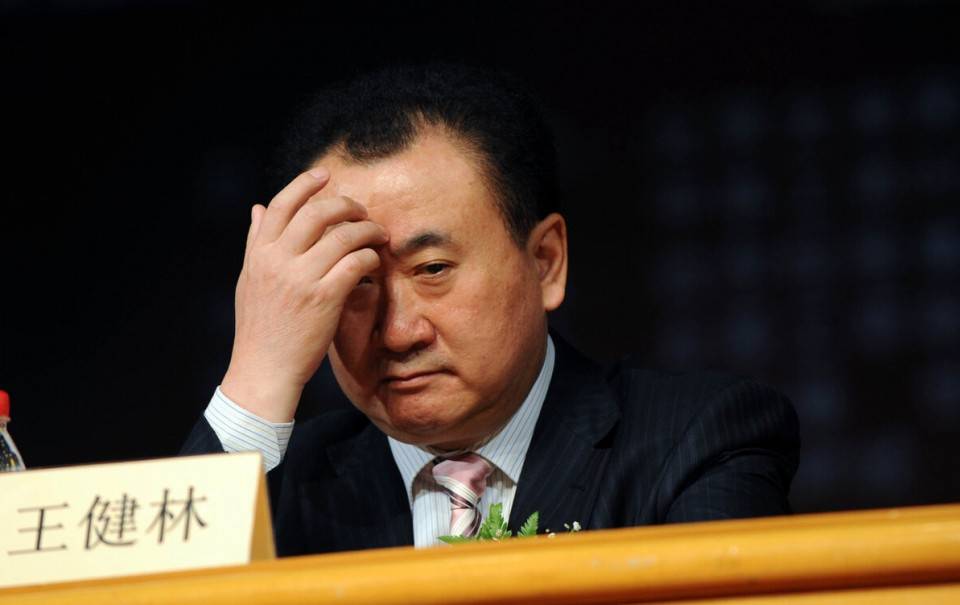
Core Insights - The recent legal issues faced by Dalian Wanda Group and its founder Wang Jianlin, including a temporary restriction on high consumption due to a court ruling involving 186 million yuan, highlight the stark contrast from his previous status as "China's richest man" [2] - The cancellation of the restriction on September 29 indicates a potential misunderstanding related to economic disputes within Wanda's subsidiary projects [2] - Wanda has faced multiple execution disputes, with a total amount exceeding 5.2 billion yuan and 9.4 billion yuan in frozen equity, primarily affecting its financial subsidiaries [2] Company Development Stages - Wang Jianlin's entrepreneurial journey began in 1988 with a loan of 1 million yuan to establish a real estate company in Dalian, capturing 20% of the local market by 1992 [3][4] - The first major expansion occurred in 1993 when Wanda established a branch in Guangzhou, marking its transition from a regional to a national company [5] - In 2000, Wanda shifted focus to commercial real estate to stabilize cash flow, leading to the development of the "urban complex" concept, integrating shopping malls, hotels, and offices [8][9] - The third phase began in 2006 with investments in cultural industries, including theme parks and cinemas, aiming to compete with international players like Disney [9][10] - By 2015, Wanda had embarked on a significant overseas expansion, acquiring multiple international assets and reaching a peak total asset value of nearly 800 billion yuan [10][11] Challenges and Strategic Shifts - The year 2017 marked a downturn for Wanda, with setbacks in overseas acquisitions and financial struggles leading to asset sales, including the divestment of tourism and hotel projects [11][12] - The decision to privatize Wanda Commercial in 2016, driven by dissatisfaction with stock valuations, initiated a series of financial challenges, including halted IPOs and increased debt [12][13] - Despite reporting significant revenues in 2015, Wanda's reliance on property sales and rising debt levels raised concerns about its long-term sustainability [13][15] Current Status and Future Prospects - As of now, Wanda Group retains 24 active investments, with 15 majority-owned, including approximately 200 Wanda Plazas, which are seen as crucial for future recovery [20][22] - The focus has shifted towards lower-tier cities, where Wanda Plazas demonstrate strong consumer activity and lower operational costs, indicating a strategic pivot to capitalize on emerging markets [23][25] - The survival strategy involves a light-asset model, allowing Wanda to maintain operations while navigating financial pressures, although challenges remain due to debt and competition [25][26] - The future of Wanda's remaining assets in county markets is uncertain, with potential for further restructuring if strategic investments or a return to public markets do not materialize [27]