丰田博智3X

Search documents
油电竞争共存 汽车行业将迎结构性重塑
Bei Jing Shang Bao· 2025-12-19 12:32
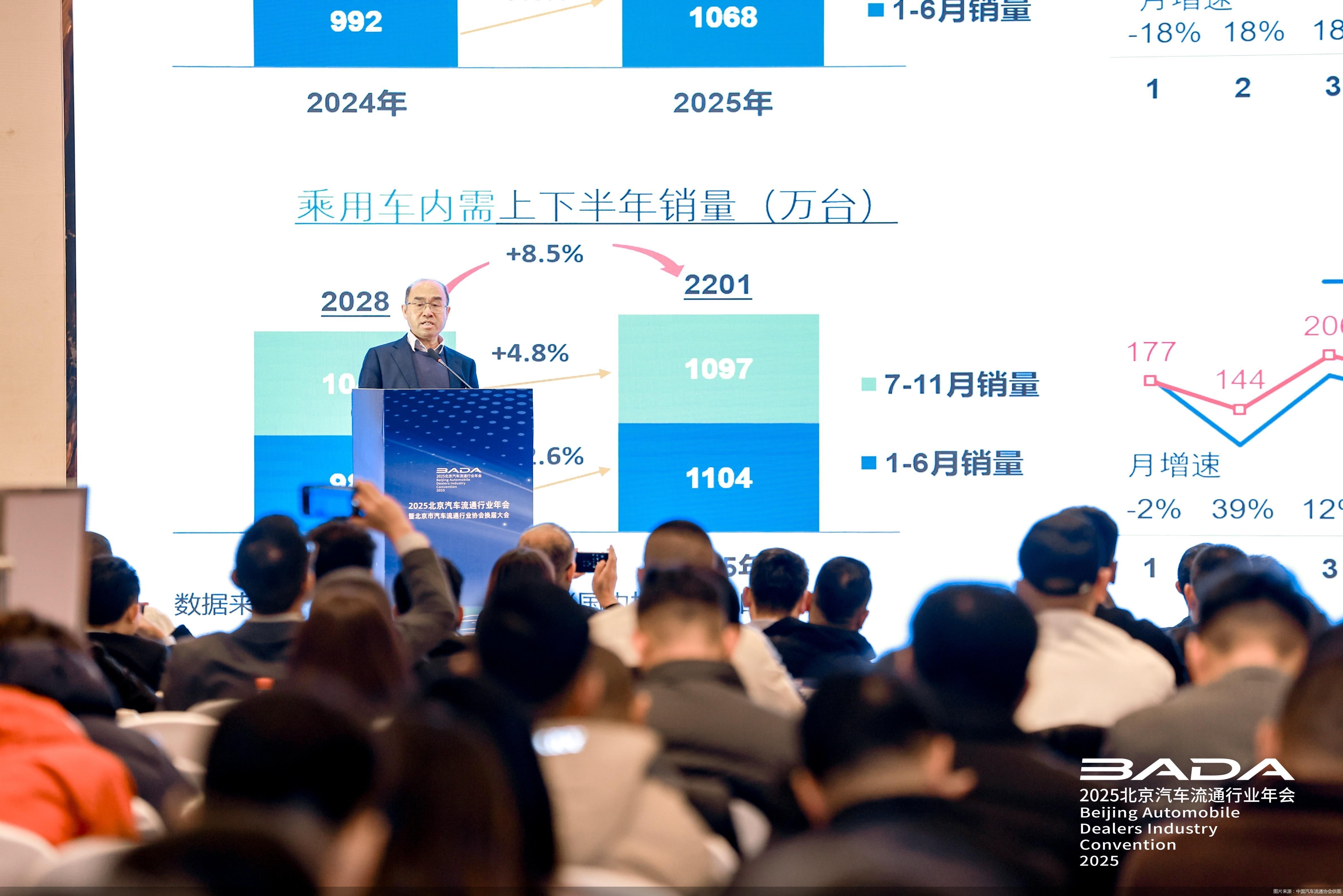
Core Insights - The automotive market in China is transitioning from rapid growth to a phase of structural adjustment and high-quality transformation, with key themes including the coexistence of electric and gasoline vehicles, brand restructuring, and global expansion strategies [1][4]. Market Overview - China's automotive sales are projected to reach 24.4 million units by 2025, a historical high, driven by vehicle scrappage and replacement policies. However, a decline in sales growth is noted, with a 4.4% drop in terminal sales from July to November and a 20% decrease in December [4]. - The automotive market is expected to stabilize at a high level in 2026 due to macroeconomic stability and policy optimization, with significant structural changes anticipated during the 14th Five-Year Plan period [4]. Energy Structure Transformation - By 2025, the penetration rate of new energy vehicles (NEVs) is expected to reach 52.7%, a significant increase from 4.4% in 2018. The market is projected to evolve towards a 30% gasoline and 70% electric vehicle ratio by around 2030, driven by product improvements, the growing share of the post-95 generation in car purchases, and deep integration of smart technology [4][5]. Brand Restructuring - The market share of domestic brands has risen to 64.3%, with expectations to exceed 65% for the year. By 2030, the market is anticipated to shift to a 30% joint venture and 70% domestic brand ratio, influenced by GDP growth, advancements in electrification and intelligence, and intense market competition [5]. - Currently, 75 out of every 100 domestic brand vehicles are NEVs, compared to only 6 out of 100 for joint venture brands, highlighting a significant difference in transformation pace [5]. Global Expansion Strategy - Domestic brands currently account for 16% of overseas sales, with projections to increase to 30% by 2030. The overseas market has become a crucial growth area, particularly in emerging markets like ASEAN and Latin America, where Chinese electric vehicles are performing well [6]. - The transformation of the automotive market presents both challenges and opportunities, particularly for dealers who can leverage product iteration and overseas market expansion [6]. Dealer Challenges and Opportunities - Automotive dealers face survival challenges amid economic pressures and industry transformation, emphasizing the importance of service as a foundation for survival. Embracing new energy and integrating into the new energy sales service system are critical for future success [6].

油电竞争共存,汽车行业将迎结构性重塑
Bei Jing Shang Bao· 2025-12-19 12:28
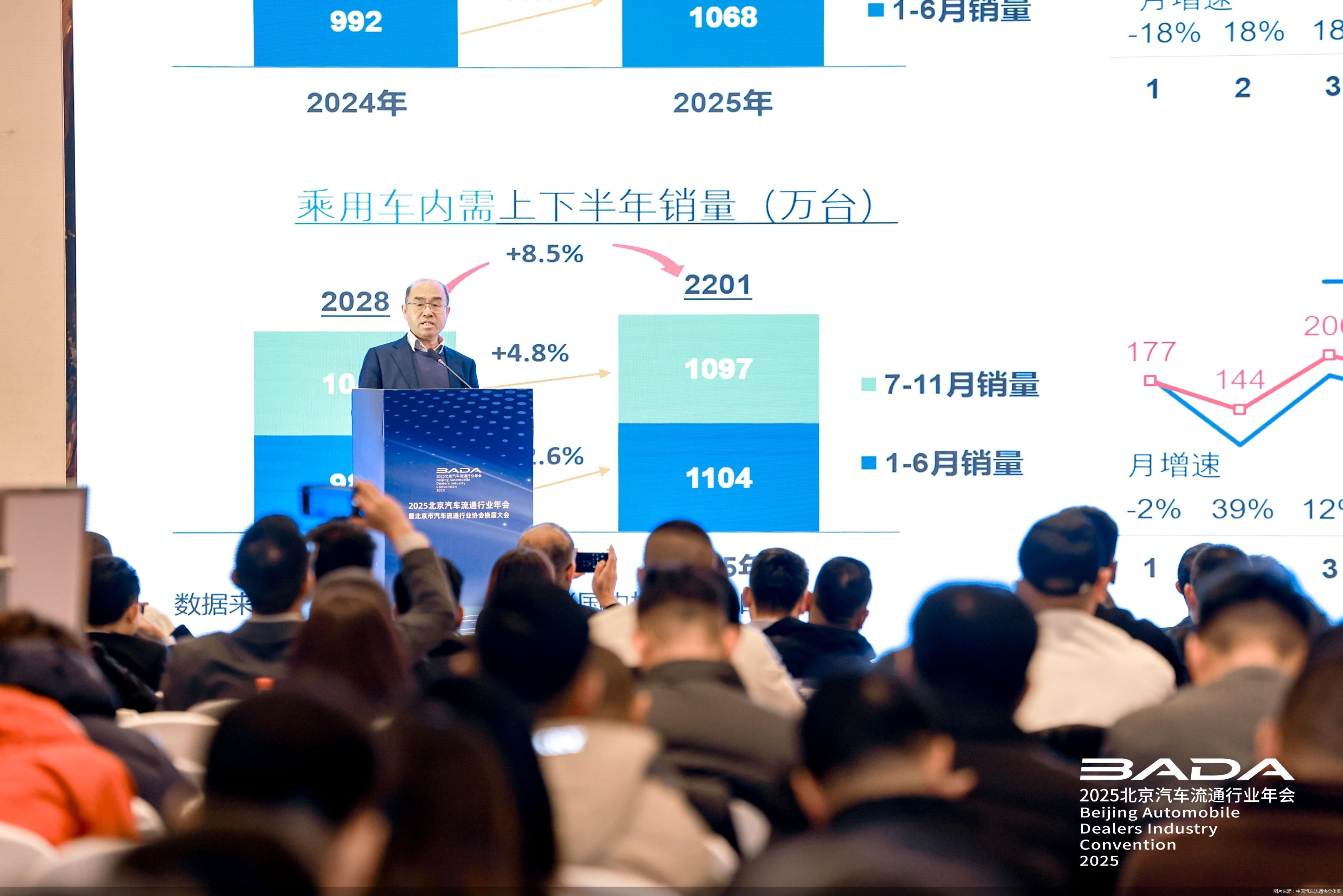
Core Insights - The automotive market in China is transitioning from rapid growth to a phase of structural adjustment and high-quality transformation, with key themes including ecological coexistence of fuel and electric vehicles, brand restructuring, and global strategic upgrades [1] Market Overview - China's automotive sales are projected to reach 24.4 million units by 2025, marking a historical high, driven by vehicle scrappage and replacement policies. However, a decline in sales growth is noted, with terminal sales dropping by 4.4% from July to November and a significant 20% decrease in December [4] - For 2026, the automotive market is expected to stabilize due to macroeconomic stability and policy optimization, with structural changes anticipated during the 14th Five-Year Plan [4] Energy Structure Transformation - By 2025, the penetration rate of new energy vehicles (NEVs) is expected to reach 52.7%, a significant increase from 4.4% in 2018. The market is projected to evolve towards a 30% fuel vehicle and 70% electric vehicle ratio by around 2030, driven by product improvement, the rising share of the post-95 generation in car purchases, and deep integration of smart technology [4][5] Brand Restructuring - The market share of domestic brands has risen to 64.3%, with expectations to exceed 65% for the year. By 2030, the market is anticipated to shift to a 30% joint venture and 70% domestic brand ratio, influenced by GDP growth, electrification, and intense market competition [5] - Currently, 75 out of every 100 domestic brand vehicles are NEVs, compared to only 6 out of 100 for joint venture brands, highlighting a significant difference in transformation pace [5] Global Strategic Upgrades - Domestic brands currently account for 16% of overseas sales, projected to rise to 30% by 2030, with a distribution of 30% overseas and 70% domestically. Chinese electric vehicles are performing well in emerging markets, with 55 out of every 100 sold in regions like ASEAN and Latin America originating from China [6] - The transformation in the automotive market presents both challenges and opportunities, particularly for dealers who can leverage product iteration and overseas market expansion for growth [6] Dealer Challenges and Opportunities - Automotive dealers face survival challenges amid economic pressures and industry transformation, emphasizing the importance of service as a foundation for survival. Companies are encouraged to embrace new energy and integrate into the new energy sales service system while utilizing new technologies like artificial intelligence for innovative marketing strategies [6]