乐惠金准贷记卡

Search documents
“欠款1000万亿”受害者工厂将拍卖,银行三万元补偿够吗?
Guan Cha Zhe Wang· 2026-02-27 11:04
Core Viewpoint - The article highlights a significant issue faced by a small clothing manufacturer in Zhongshan, Guangdong, due to a credit reporting error that led to a severe liquidity crisis and potential judicial auction of the business [1][3][10]. Group 1: Credit Reporting Error - The credit reporting issue originated from a bank system error that incorrectly marked the business owner, Mr. Qin, as having a debt of 10 trillion yuan, severely impacting his creditworthiness and ability to secure loans for 28 months [1][4][9]. - Despite the error being corrected, the damage to the business's operations was irreversible, leading to a liquidity crisis and forced asset liquidation [3][9]. Group 2: Financial Impact and Legal Dispute - Mr. Qin's attempts to maintain business operations included changing the company’s legal representative and selling inventory at a loss, but these measures did not alleviate the financial pressure [3][9]. - The involved bank and payment platform have not reached an agreement on responsibility and compensation, with the bank offering only 30,000 yuan in compensation against Mr. Qin's claim of 2 million yuan for losses incurred [3][10][15]. Group 3: Systemic Issues in Financial Services - The incident exposes weaknesses in the credit correction mechanisms and financial services for small and micro enterprises, raising concerns about compliance and risk management within financial institutions [3][10]. - The ongoing dispute over liability highlights the challenges in attributing responsibility for the credit reporting error, with the payment platform blaming the bank for the data source while the bank remains vague about the error's cause [10][15].


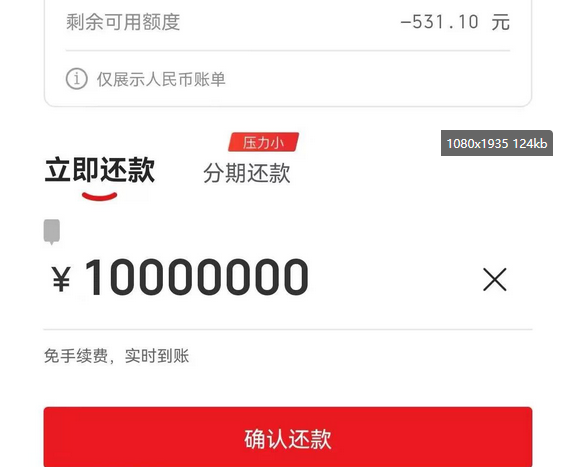
“欠款1000万亿”男子,索赔200万
Sou Hu Cai Jing· 2026-02-26 15:33
Core Viewpoint - The case of Mr. Qin from Zhongshan, Guangdong, highlights significant issues with credit reporting and banking systems, leading to severe financial consequences for his business due to erroneous debt records [1][3]. Group 1: Background and Context - Mr. Qin, owner of Meiyu Garment Co., applied for a "Lehui Jin" quasi-credit card from Everbright Bank, which he used without any overdue payments for years [2]. - Despite a clean repayment history, Mr. Qin's credit record was marked as overdue due to a system error, affecting his ability to secure loans from multiple banks [2][7]. Group 2: Financial Impact - After being denied loans, Mr. Qin had to change the legal representative of his company to his brother and faced the potential auction of his factory due to a loan of 1.25 million yuan maturing [1][3]. - The erroneous debt record led to Mr. Qin being unable to secure loans for 28 months, forcing him to sell inventory at discounted prices to manage cash flow [7]. Group 3: Compensation and Dispute - Mr. Qin sought compensation of at least 2 million yuan for his losses, but Everbright Bank only offered around 30,000 yuan, which he deemed insufficient [2][7]. - The dispute over compensation remains unresolved, with both parties unable to agree on the amount owed [7]. Group 4: Systemic Issues - The erroneous debt of 1 trillion yuan appeared only on the Cloud Flash payment app, with Everbright Bank denying any record of such a debt in their system [3][9]. - The issue was attributed to a miscommunication between the bank and third-party platforms, leading to ongoing disputes and financial distress for Mr. Qin [3][9].
【Fintech 周报】去年理财产品平均收益率2.28%;银行短期大额存单利率进入“0字头”
Sou Hu Cai Jing· 2026-01-12 04:27
Regulatory Dynamics - The Financial Regulatory Bureau has issued a notice to unify the execution standards for non-auto insurance "reporting and issuing" practices, addressing issues of irrational competition and high costs in the non-auto insurance market [1] - Guangzhou Huilibao Payment Technology Co., Ltd. has been fined over 74 million yuan for multiple violations, including breaches of clearing management regulations and merchant management rules [1] Industry Dynamics - Major state-owned banks are raising the threshold for gold accumulation business, requiring personal clients to have a risk tolerance level of C3- or above to purchase gold accumulation products starting January 12, 2026 [2] - The interest rates for short-term large-denomination time deposits have dropped to "0" for several major state-owned banks, with rates for 1-month and 3-month deposits at 0.9% [2] - The average annualized yield of wealth management products has decreased to 2.2809% as of the end of 2025, with a total market size of 31.63 trillion yuan [3] - A significant wave of deposits maturing, estimated at 50 trillion yuan, is expected this year, with the majority concentrated in 2-year and 3-year deposits [5] - Several joint-stock banks' financial asset investment companies have begun investing in emerging industries, focusing on high-growth sectors such as new energy and materials [5] Corporate Dynamics - Everbright Bank's "Lehui Jin" credit card has been reported to show ghost debts, affecting users' credit scores and loan applications despite no actual defaults [6] - Yunnan's first trillion-yuan bank is set to be established through the merger of local rural credit cooperatives, creating the largest financial institution in the province [7] - Ping An Life has increased its holdings in Agricultural Bank of China and China Merchants Bank, triggering regulatory filings for both [8] - China Dadi Insurance and Sunshine Property Insurance have ceased new financing insurance business applications as of the end of 2025 [8] - Beijing's North Silver Consumer Finance has received approval to increase its registered capital by 150 million yuan, raising it to 1 billion yuan [9] - Jinshan Consumer Finance has become an executed party in a court case, with a claim amount of 20,000 yuan [9] - Zhonggang Yintong's payment license has been revoked by the central bank, marking the 12th payment license cancellation in 2025 [10] - ELong has fully acquired Firefly Microloan, enhancing its position in the financial services sector [11] Overseas Dynamics - JPMorgan Chase is set to take over Goldman Sachs' Apple credit card business, acquiring over $20 billion in credit card loans as Goldman Sachs shifts away from consumer finance [12] - Global fintech venture capital funding has rebounded significantly in 2025, reaching $55.94 billion, a 25% increase from 2024 [13]






个人欠款1000万亿元?光大银行回应不排除第三方平台显示有误
Xi Niu Cai Jing· 2026-01-10 02:31
Group 1 - The core issue revolves around a customer, Mr. Qin, who faced significant problems with his credit record due to a "准贷记卡" (quasi-credit card) issued by Everbright Bank, which led to loan rejections from other financial institutions [2] - Mr. Qin's credit card had a credit limit of 100,000 yuan and he maintained a good repayment history, yet he encountered issues with his credit report in 2022, which were only resolved after multiple negotiations [2] - In November 2022, Mr. Qin discovered an alarming display of a debt amounting to 1,000 trillion yuan on a third-party platform, which was not reflected in Everbright Bank's own app or transaction records [3] Group 2 - The erroneous debt record caused further complications for Mr. Qin, as he faced additional loan rejections during this period, raising concerns about the impact of this incorrect information on his creditworthiness [3] - Everbright Bank's customer service acknowledged the possibility of a third-party platform error regarding the displayed debt amount, indicating potential issues with data accuracy in external financial services [3] - The erroneous record was only rectified in December 2023, highlighting delays in resolving such critical credit reporting issues [3]

WEMONEY研究室·数字金融周报|光大银行“乐惠金”现幽灵债务;国有大行黄金积存业务再提门槛
Sou Hu Cai Jing· 2026-01-09 11:07
Group 1: Banking Sector Developments - Major state-owned banks are raising the threshold for gold accumulation business, requiring personal clients to have a risk tolerance level of C3 or above to purchase gold starting January 12, 2026 [1] - A wave of deposit maturities is expected, with an estimated 50 trillion yuan in one-year and above fixed deposits maturing this year, primarily concentrated in two to three-year deposits [2] - In 2025, city commercial banks faced significant penalties, totaling 875 million yuan, with the Shenzhen Rural Commercial Bank receiving the largest fine of 12.84 million yuan for multiple violations [3] Group 2: Investment Activities - Several financial asset investment companies (AIC) under joint-stock banks have begun investing in emerging industries, with notable investments in sectors like semiconductors and clean energy [4] - The establishment of Yunnan Rural Commercial Bank is underway, aiming to become the first bank in the province with over 1 trillion yuan in deposits, consolidating various rural credit institutions [6] Group 3: Insurance Sector Changes - The insurance industry is experiencing a wave of personnel changes, with 81 instances of leadership transitions reported in 2025, indicating a trend towards internal promotions and a preference for specialized talent [6] - Ping An Life has made significant stock purchases in Agricultural Bank and China Merchants Bank, triggering regulatory notifications due to increased shareholding [7] Group 4: Consumer Finance Updates - China Bank Consumer Finance has undergone a major equity change, with its bad loan sales reaching 13.84 billion yuan, and the non-performing loan rate increasing from 2.80% in 2022 to 3.56% in 2024 [9] - Beijing Financial Regulatory Bureau has approved an increase in registered capital for North Bank Consumer Finance by 150 million yuan, raising its total registered capital to 1 billion yuan [10] Group 5: Financial Technology Developments - The People's Bank of China has revoked the payment license of China Steel Yintong, marking the 108th payment license cancellation, indicating ongoing regulatory scrutiny in the payment sector [11] - Guangzhou Heli Bao Payment Technology has been fined over 74 million yuan for multiple regulatory violations, highlighting compliance challenges in the payment industry [12]
准贷记卡欠款1000万亿?光大银行客服回应:只要正常还款便不会出现逾期问题
Xin Lang Cai Jing· 2026-01-08 03:50
Core Viewpoint - A customer of Everbright Bank's "Lehui Jin" quasi-credit card reported an overdue status on their credit report despite normal usage of the overdraft limit, which was later rectified after multiple negotiations [1][2] Group 1: Customer Experience - The customer claimed that their credit report showed an overdue status while they were using the overdraft limit normally, and it was only after several discussions that the repayment record was removed from the credit system [1][2] - Everbright Bank's customer service stated that as long as customers make timely and full repayments, there should be no overdue issues [2] Group 2: Product Status - The "Lehui Jin" quasi-credit card was discontinued in 2023, but existing customers can still use their cards without any service interruption [2] - Customers are advised to monitor bank announcements for any future changes regarding the card services [2] Group 3: Technical Issues - Following the overdue report, the customer found an astonishing debt of 1 trillion yuan displayed on the Cloud Flash Payment App, which was not reflected in Everbright Bank's transaction records [1][2] - Everbright Bank's customer service directed the customer to inquire with China UnionPay regarding the discrepancies in the Cloud Flash Payment App [2] - China UnionPay's customer service reported that they had not found any related issues [2]
广东一男子名下准贷记卡正常透支却被认为“逾期”,还冒出1000万亿元欠款,光大银行回应
Xin Lang Cai Jing· 2026-01-08 02:15
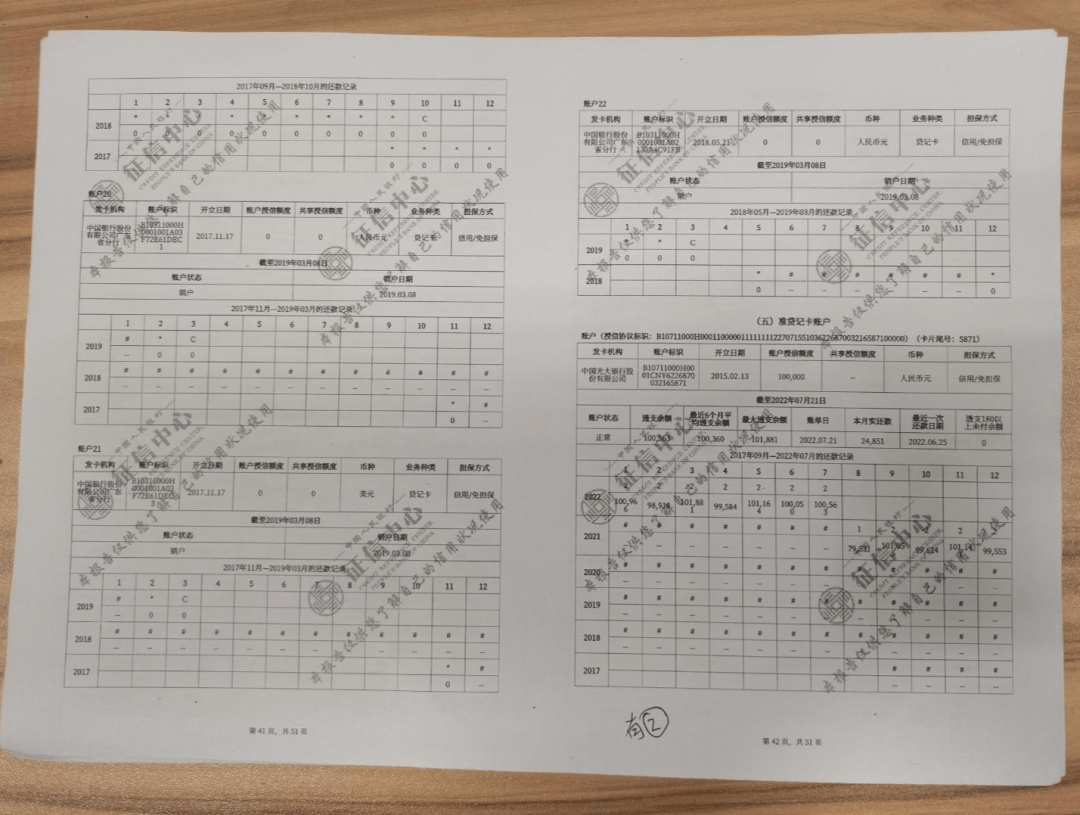
Core Viewpoint - A customer of Everbright Bank reported issues with their credit report, indicating overdue payments despite normal repayment behavior, leading to loan rejections from other financial institutions. The situation escalated when the customer discovered a bizarre debt of 1 trillion yuan displayed on a third-party app, which was not reflected in the bank's records [1][6][18]. Group 1: Customer Experience and Issues - The customer, Mr. Qin, has been using a "Lehui Jin" quasi-credit card from Everbright Bank since 2015, with a credit limit of 100,000 yuan, and has never missed a payment [3][14]. - In 2022, Mr. Qin faced repeated loan rejections due to a credit report showing overdue payments, which he later discovered were misclassified as overdue when they were actually just overdraft statuses [3][15]. - The customer found that the quasi-credit card's repayment records were marked as "1" and "2," indicating overdraft periods rather than actual overdue payments, which led to confusion and misinterpretation by other banks [4][12]. Group 2: Bank's Response and Policy - Everbright Bank's customer service acknowledged the possibility of errors in third-party platforms displaying incorrect debt amounts, suggesting that the customer should verify with the bank directly [2][13]. - The bank stated that the "Lehui Jin" quasi-credit card has been discontinued in 2023, but existing customers can still use it. Changes to the card's repayment terms were made, including a new billing cycle and reporting practices [5][17]. - The bank clarified that the repayment statuses of "1" and "2" are reported to the credit system and do not affect the customer's credit report negatively, despite the customer's claims of adverse effects on loan applications [5][17]. Group 3: Industry Context and Implications - Quasi-credit cards, like the "Lehui Jin," are a unique product in China, requiring customers to deposit collateral and typically not offering interest-free periods, which can lead to misunderstandings regarding repayment statuses [20][23]. - There is a growing concern among quasi-credit card holders, particularly small business owners, about being unfairly classified as overdue, which can severely impact their ability to secure loans and maintain business operations [10][21]. - Industry experts emphasize the need for banks to distinguish between quasi-credit card overdrafts and actual overdue payments in their credit assessment processes to prevent misclassification and its consequences [12][23].

1000万亿元欠款!用户准贷记卡正常透支却冒出巨额欠款,光大银行:不排除第三方平台显示有误
Xin Lang Cai Jing· 2026-01-07 11:08
Core Viewpoint - The case of a Guangdong citizen, Mr. Qin, highlights issues with the credit reporting of Everbright Bank's "Lehui Gold" quasi-credit card, where normal repayment was misclassified as overdue, leading to significant financial repercussions for users [1][12]. Group 1: Issues with Credit Reporting - Mr. Qin's credit report indicated overdue status despite normal repayment, causing loan rejections from other financial institutions [1][4]. - The quasi-credit card's repayment records were marked as "1" and "2," which were misinterpreted by banks as overdue statuses, affecting users' creditworthiness [4][11]. - A significant number of users reported similar issues, indicating a widespread problem with the quasi-credit card's credit reporting [6][18]. Group 2: Bank's Response and Clarifications - Everbright Bank stated that it does not report overdue statuses for "Lehui Gold" cardholders to the People's Bank of China, and the "1" and "2" markings are normal overdraft indicators [2][13]. - The bank acknowledged the possibility of errors in third-party platforms displaying incorrect debt amounts, such as the reported 1 trillion yuan [3][14]. - The bank's customer service emphasized that users should verify their credit reports directly with the bank if they have concerns about the "1" and "2" markings [2][13]. Group 3: Regulatory and Industry Context - The People's Bank of China issued guidance clarifying that the "1" and "2" markings on quasi-credit cards represent overdraft periods and should not be confused with overdue statuses [5][17]. - Industry experts noted that the quasi-credit card's lack of an interest-free period and its classification as a transitional product may lead to misunderstandings in credit assessments [11][23]. - The quasi-credit card market is gradually phasing out as it does not align with the evolving credit card landscape in China [20][23].