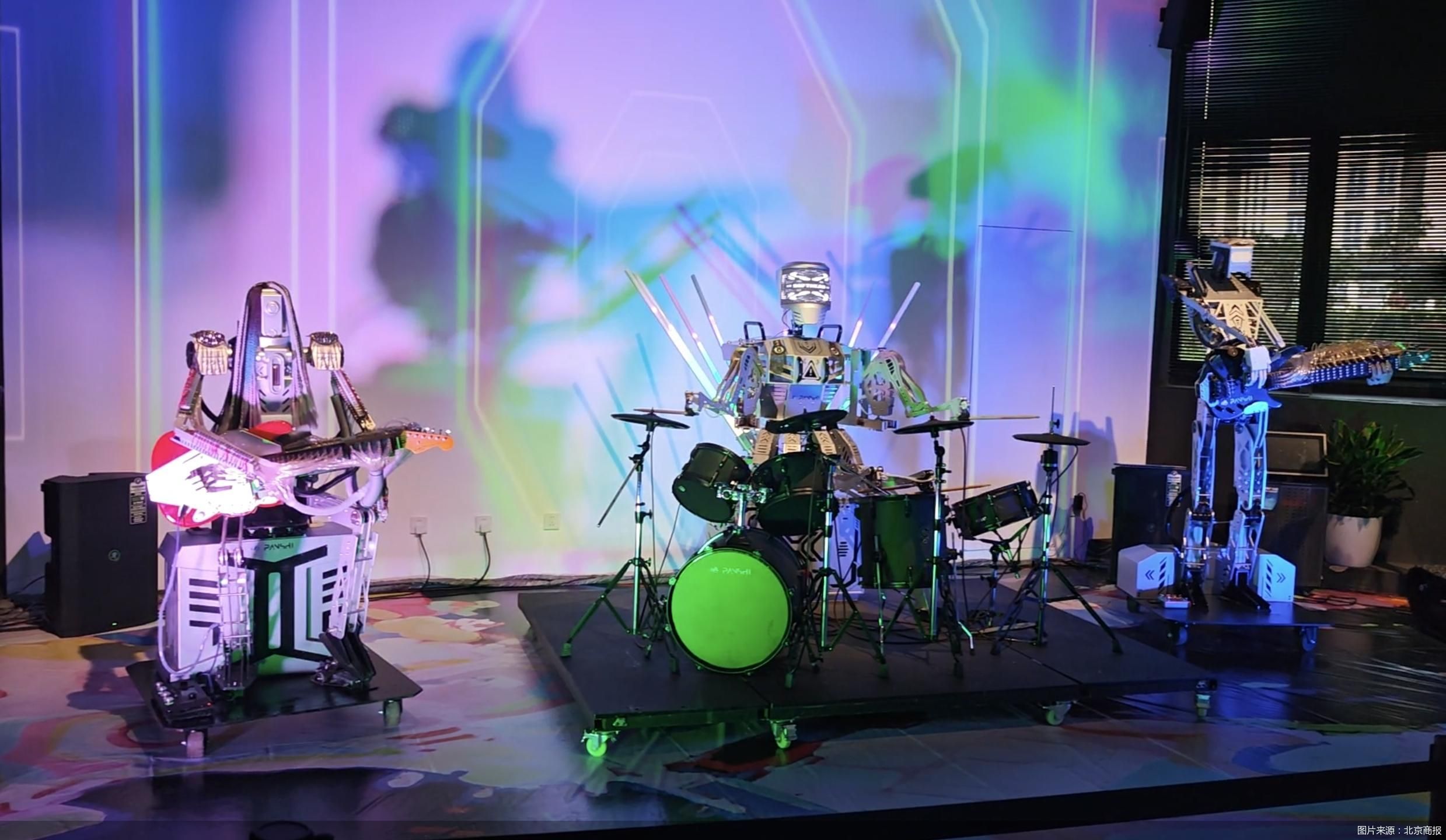
乐队机器人

Search documents
破局千亿市场 北京机器人走出实验室
Bei Jing Shang Bao· 2025-08-07 15:39
Core Insights - Beijing is rapidly advancing in the humanoid robot market, transitioning from laboratory experiments to real-world applications with the opening of the world's first humanoid robot 4S store and a robot-themed restaurant [1][10] - The strategy of "scene verification + ecological collaboration" is being employed to unlock the commercial potential of humanoid robots, allowing for practical demonstrations of technology in real-life settings [1][5] Group 1: Commercialization Strategy - The 4S store creates a closed-loop experience of "scene experience - immediate sales - service delivery," enabling companies to validate robot performance in real scenarios [4] - The restaurant serves as a testing ground for robots to demonstrate their efficiency and integration into industry processes, addressing key operational questions [5] - The approach of running commercial models through real-life scenarios is breaking down barriers to technology transfer [5][6] Group 2: Industry Ecosystem - Beijing Economic-Technological Development Area has over 300 robotics and intelligent manufacturing companies, forming a robust ecosystem with a scale exceeding 100 billion [6][8] - Policies are being implemented to support the entire chain from research and development to application, including a 250,000 square meter robotics industrial park and a 10,000 robot innovation application plan [6][7] - The combination of demand-driven and technology-focused strategies is helping companies overcome challenges and uncertainties [7] Group 3: Future Projections - The global humanoid robot market is projected to reach 1.24 million units and a market size of 6.339 billion by 2025, with expectations of exceeding 400 billion by 2035 [9][10] - Beijing's initiatives are not only positioning itself to capture a significant share of the market but also providing a pioneering model for the global commercialization of humanoid robots [10]


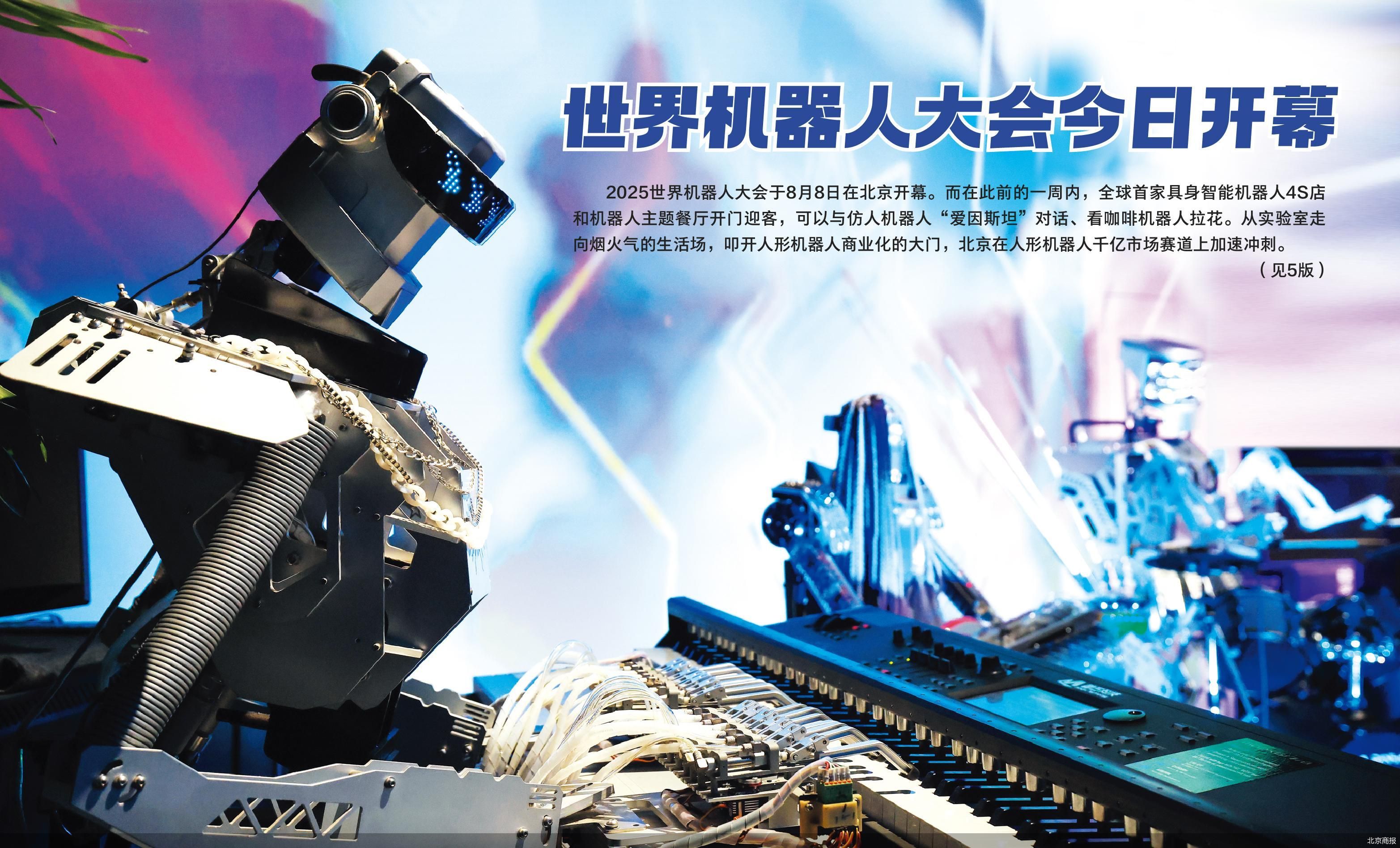
世界机器人大会|破局千亿市场,北京跑出机器人“第一程”
Bei Jing Shang Bao· 2025-08-07 13:56
Core Viewpoint - Beijing is transitioning from experimental robotics to commercial applications, exemplified by the opening of the world's first humanoid robot 4S store and a robot-themed restaurant, aiming to create a viable business model in the humanoid robot market [1][2][10]. Group 1: Commercialization of Robotics - The robot restaurant "Robot焰究所" aims to operate without human waitstaff, utilizing various robots for customer service and food preparation [1][5]. - The 4S store model focuses on real-time validation of robotic technology in practical scenarios, allowing businesses to test and purchase robots based on their performance [4][5]. - The integration of robots into everyday life is seen as a way to address efficiency and cost issues in industries like food service [5][6]. Group 2: Ecosystem and Policy Support - Beijing's economic development zone has attracted over 300 robotics and smart manufacturing companies, creating a robust ecosystem with a scale exceeding 100 billion [6][8]. - Policies are being implemented to support the robotics industry, including a 250,000 square meter robotics industrial park and a 100 billion fund for core technology development [6][8]. - The city is also organizing events like robot marathons to test capabilities and establish standards for humanoid robots, fostering a collaborative environment for innovation [7][8]. Group 3: Market Potential and Future Outlook - The global humanoid robot market is projected to reach 1.24 million units and 6.339 billion yuan by 2025, with expectations of exceeding 400 billion yuan by 2035 [8][10]. - Beijing's approach serves as a pioneering model for the commercialization of humanoid robots, potentially influencing global trends in the industry [9][10].