恐龙机器人

Search documents
喝奶茶吃煎饼 还能听脱口秀 全球首家机器人4S店和机器人主题餐厅开业
Yang Shi Xin Wen· 2025-08-09 00:52
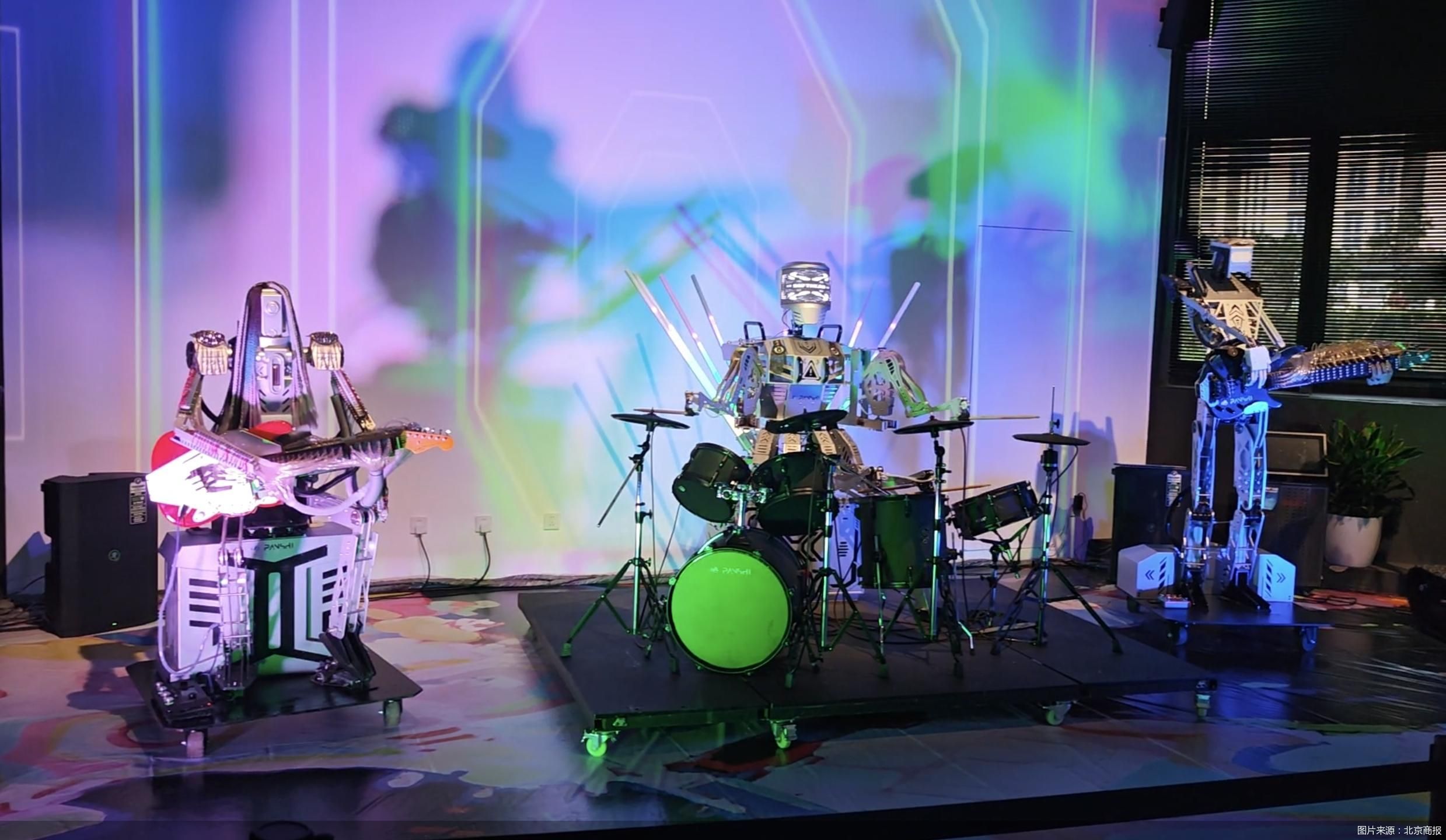
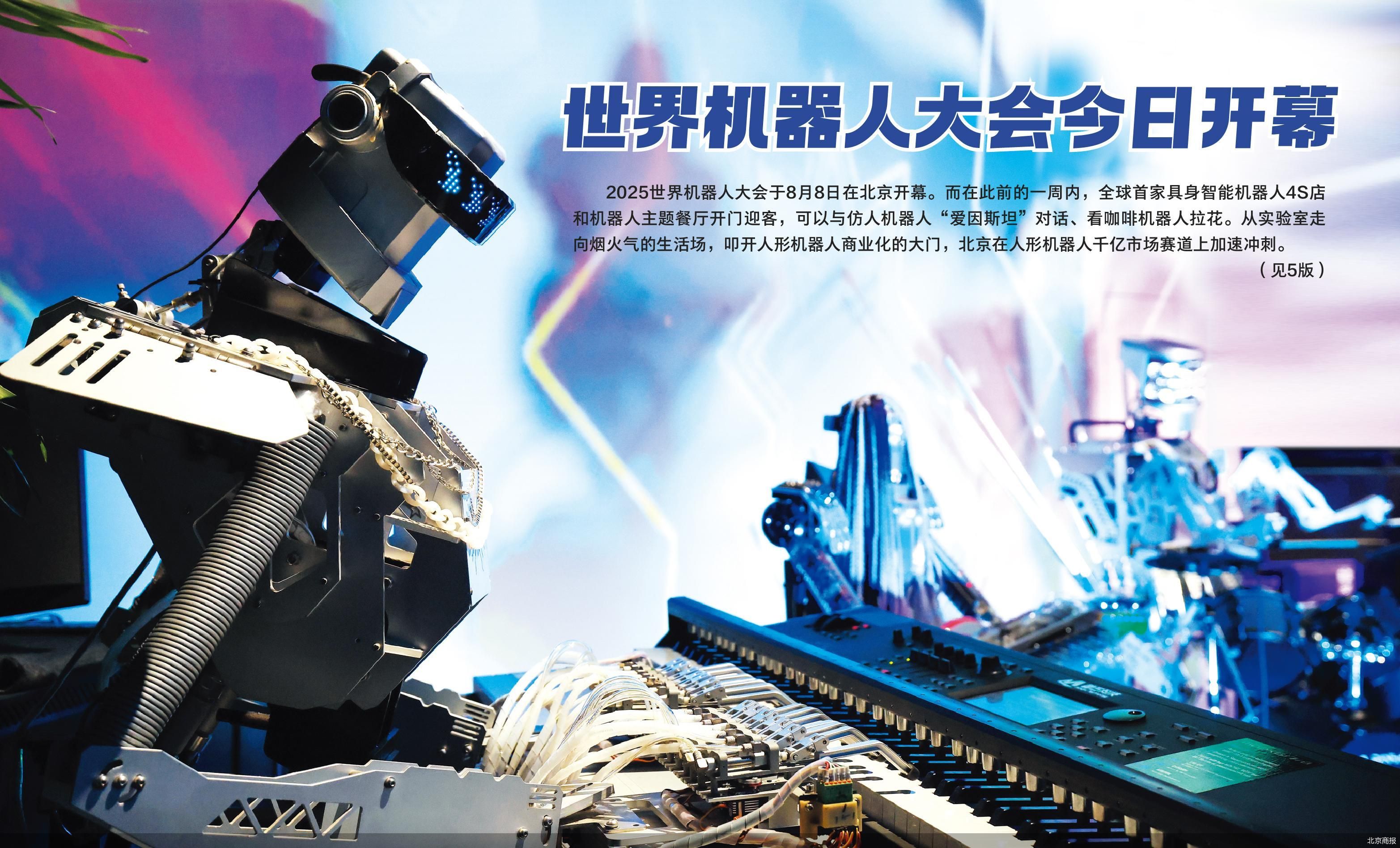
Group 1 - The opening of the world's first intelligent robot 4S store and a robot-themed restaurant in Beijing marks a significant step in integrating advanced robotic technology into daily life, providing a unique experience that combines technology, dining, and consumer interaction [1][2] - The robot-themed restaurant features various robots, including welcoming robots, delivery robots, and cooking robots, which enhance the dining experience by providing services and entertainment, such as robot performances and interactive experiences with dinosaur and sculpting robots [1] - The restaurant allows customers to enjoy meals prepared by robots while also engaging with a robot band that performs popular songs, showcasing the innovative use of robotics in the food service industry [1] Group 2 - The robot 4S store, covering an area of 4,000 square meters, offers a wide range of robots for various applications, including industrial handling, medical procedures, and creative merchandise, creating a comprehensive shopping experience for consumers [2] - The store and the robot-themed restaurant are designed to work in tandem, providing a "dine, shop, and explore" experience for visitors, which enhances consumer engagement and satisfaction [2] - Discounts offered at the robot 4S store indicate a positive consumer response, suggesting a strong market interest in robotic products and services [2]

破局千亿市场 北京机器人走出实验室
Bei Jing Shang Bao· 2025-08-07 15:39
Core Insights - Beijing is rapidly advancing in the humanoid robot market, transitioning from laboratory experiments to real-world applications with the opening of the world's first humanoid robot 4S store and a robot-themed restaurant [1][10] - The strategy of "scene verification + ecological collaboration" is being employed to unlock the commercial potential of humanoid robots, allowing for practical demonstrations of technology in real-life settings [1][5] Group 1: Commercialization Strategy - The 4S store creates a closed-loop experience of "scene experience - immediate sales - service delivery," enabling companies to validate robot performance in real scenarios [4] - The restaurant serves as a testing ground for robots to demonstrate their efficiency and integration into industry processes, addressing key operational questions [5] - The approach of running commercial models through real-life scenarios is breaking down barriers to technology transfer [5][6] Group 2: Industry Ecosystem - Beijing Economic-Technological Development Area has over 300 robotics and intelligent manufacturing companies, forming a robust ecosystem with a scale exceeding 100 billion [6][8] - Policies are being implemented to support the entire chain from research and development to application, including a 250,000 square meter robotics industrial park and a 10,000 robot innovation application plan [6][7] - The combination of demand-driven and technology-focused strategies is helping companies overcome challenges and uncertainties [7] Group 3: Future Projections - The global humanoid robot market is projected to reach 1.24 million units and a market size of 6.339 billion by 2025, with expectations of exceeding 400 billion by 2035 [9][10] - Beijing's initiatives are not only positioning itself to capture a significant share of the market but also providing a pioneering model for the global commercialization of humanoid robots [10]

世界机器人大会|破局千亿市场,北京跑出机器人“第一程”
Bei Jing Shang Bao· 2025-08-07 13:56
Core Viewpoint - Beijing is transitioning from experimental robotics to commercial applications, exemplified by the opening of the world's first humanoid robot 4S store and a robot-themed restaurant, aiming to create a viable business model in the humanoid robot market [1][2][10]. Group 1: Commercialization of Robotics - The robot restaurant "Robot焰究所" aims to operate without human waitstaff, utilizing various robots for customer service and food preparation [1][5]. - The 4S store model focuses on real-time validation of robotic technology in practical scenarios, allowing businesses to test and purchase robots based on their performance [4][5]. - The integration of robots into everyday life is seen as a way to address efficiency and cost issues in industries like food service [5][6]. Group 2: Ecosystem and Policy Support - Beijing's economic development zone has attracted over 300 robotics and smart manufacturing companies, creating a robust ecosystem with a scale exceeding 100 billion [6][8]. - Policies are being implemented to support the robotics industry, including a 250,000 square meter robotics industrial park and a 100 billion fund for core technology development [6][8]. - The city is also organizing events like robot marathons to test capabilities and establish standards for humanoid robots, fostering a collaborative environment for innovation [7][8]. Group 3: Market Potential and Future Outlook - The global humanoid robot market is projected to reach 1.24 million units and 6.339 billion yuan by 2025, with expectations of exceeding 400 billion yuan by 2035 [8][10]. - Beijing's approach serves as a pioneering model for the commercialization of humanoid robots, potentially influencing global trends in the industry [9][10].