二手乐器

Search documents
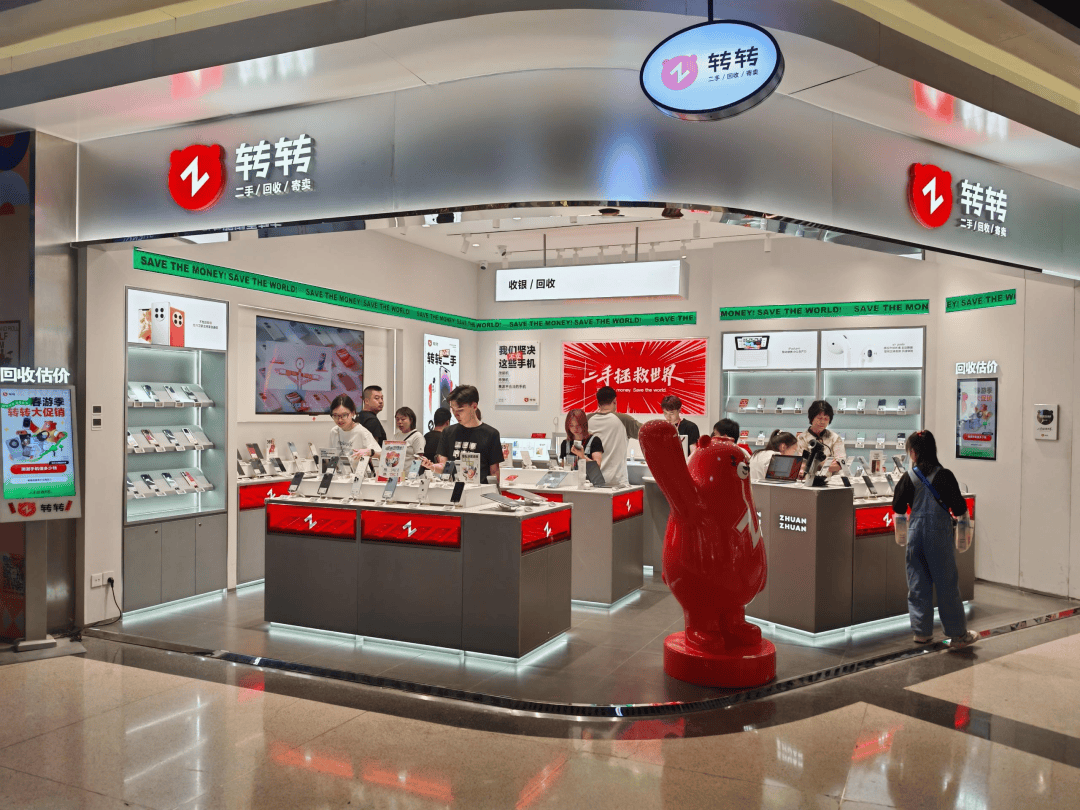
转转黄炜:优质供给是二手经济的命门
Sou Hu Cai Jing· 2025-12-08 13:03
Core Insights - The article discusses the evolution of the second-hand market in China, particularly focusing on the company "Zhuanzhuan" and its efforts to build trust and quality assurance in second-hand transactions [5][10][20]. Group 1: Trust and Consumer Behavior - Trust is essential in the second-hand market, akin to health in human life; without it, business cannot thrive [5]. - Zhuanzhuan has addressed consumer concerns about buying second-hand products by implementing an "official inspection" service, which enhances trust and encourages purchases [3][7]. - The company has transformed the perception of second-hand goods from a risky transaction to a reliable one through standardized quality assessments and transparent reporting [9][10]. Group 2: Business Model and Supply Chain - Zhuanzhuan has shifted from a C2C model to a more controlled C2B2C model, focusing on quality assurance and direct transactions, which helps eliminate individual seller risks [11][12]. - The company emphasizes a "heavy supply" model over a "light traffic" model, recognizing that the second-hand market requires standardized and scalable supply to drive growth [11][12]. - Zhuanzhuan has invested in quality control through acquisitions and the establishment of inspection centers, enhancing its ability to provide reliable second-hand products [14][16]. Group 3: Competitive Landscape - The second-hand market is evolving with companies like Zhuanzhuan focusing on supply and quality, contrasting with competitors like Xianyu, which prioritize traffic and user volume [19][20]. - Zhuanzhuan's differentiation strategy is rooted in its mission to provide trustworthy second-hand transactions, which is expected to enhance its competitive edge in the market [22][23]. - The company aims to create a sustainable organization that not only serves consumers but also contributes to broader societal value [23].

买二手,现代人生活的“复健” | 新刊发售
第一财经· 2025-07-17 07:47
Core Viewpoint - The second-hand market in China is thriving, with a transaction volume of 1.32 trillion RMB in 2023, reflecting a year-on-year growth of 5.6%, and online transactions reaching approximately 552 billion RMB, up 15% from the previous year [3][12]. Group 1: Overview of the Second-Hand Market - The second-hand economy is characterized by the reuse of products, diversification of consumer goods, and emotional and interest-driven consumption [8][10]. - Historical context shows that second-hand goods have always been part of human society, with examples dating back to ancient China and 19th-century Paris [4][5]. - The rise of second-hand trading is linked to a shift in consumer behavior, focusing on value and sustainability, especially as the economy transitions from high growth to a more stable phase [12][10]. Group 2: Platforms and Consumer Behavior - Platforms like Xianyu have expanded the types of goods traded, including points and services, catering to hidden consumer needs [9][14]. - The concept of "vintage" has redefined the high-value attributes of second-hand items, with rare collectibles often selling for significantly higher prices than their original value [9][10]. - The second-hand market is seen as a necessary component of a healthy consumption society, integrating environmental sustainability and cultural demands [12]. Group 3: Global Perspectives - The second-hand market is not unique to China; countries like Japan have a long-standing culture of second-hand consumption, with platforms like Mercari gaining significant traction [23]. - In Europe, fashion brands are increasingly adopting repair services as part of their business models, reflecting a growing trend towards sustainability [25][26]. Group 4: Future Trends - The second-hand market is expected to continue growing as consumers increasingly seek quality at lower prices, aligning with the broader trend of sustainable consumption [27].