
云南扎染

Search documents
以热爱拓展非遗出海路(侨界关注)
Ren Min Ri Bao Hai Wai Ban· 2025-12-24 00:30
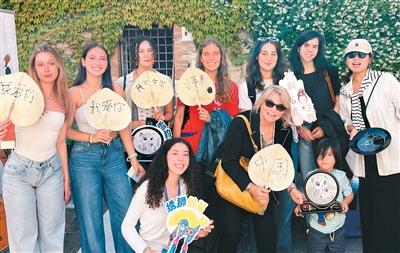
Core Viewpoint - The article highlights the efforts of Cai Qing, a fashion photographer and intangible cultural heritage (ICH) promoter, in bringing Chinese ICH to the international market, emphasizing the need for quality products and effective communication of cultural stories to enhance global interest and engagement [1][5][9]. Group 1: Background and Motivation - Cai Qing's journey into ICH began during her stay in Dali, Yunnan, where she was inspired by the local heritage elements and the artisans' desire for recognition [2][3]. - Initially focused on photography, her work captured the beauty of ICH and the lives of local artisans, leading to a growing interest from audiences both domestically and internationally [2][3]. Group 2: Market Exploration and Challenges - The successful organization of a Chinese ICH market in Germany revealed the international market potential for Chinese heritage, but also highlighted challenges such as product diversity and sales channels [5][7]. - Cai Qing has established partnerships with over 80 ICH projects across various provinces, focusing on quality and sustainable market strategies rather than sheer quantity [5][7]. Group 3: Cultural Exchange and Engagement - Cai Qing emphasizes the importance of two-way cultural exchange, where foreign audiences are not only interested in the products but also in the cultural narratives behind them [5][6]. - Activities include showcasing ICH through engaging storytelling and visual media to enhance understanding and appreciation among international audiences [5][6]. Group 4: Sustainable Development and Future Plans - Despite facing challenges in commercialization and profitability, Cai Qing is exploring sustainable models such as overseas workshops and cross-cultural collaborations to deepen engagement with ICH [7][9]. - Future plans include creating platforms for youth collaboration and promoting ICH through partnerships with various brands to increase its international visibility [9].

系统活化利用地方文化资源
Jing Ji Ri Bao· 2025-11-11 22:10
Core Insights - The article emphasizes the importance of developing a robust cultural industry system and market framework to enhance the quality of cultural development in China during the 14th and 15th Five-Year Plans [1][2]. Group 1: Cultural Industry Growth - During the 14th Five-Year Plan, China's cultural industry has shown significant growth, with projected revenue of 19.14 trillion yuan in 2024, representing a 37.7% increase from 2020 [1]. - Various regions are exploring effective paths for leveraging traditional culture to drive cultural industry growth, with many domestic brands successfully integrating traditional elements with modern design to attract younger consumers [1]. Group 2: Challenges in Cultural Resource Utilization - Many cultural resources remain underutilized, with products often stuck in small-scale production and markets, lacking a comprehensive industrial chain [2]. - Traditional cultural projects face challenges in innovation, branding, and sales, with ongoing needs for supply chain improvements and enhanced market operations [2]. Group 3: Strategic Recommendations - It is essential to develop region-specific strategies to excavate traditional cultural resources and create distinctive cultural brands that reflect local history and spirit [3]. - The cultural industry chain needs to be improved to facilitate the marketization and industrialization of cultural resources, with increased policy support and the establishment of cultural industry parks [3]. Group 4: Technological Empowerment and Talent Development - There is a need for increased investment in cultural technology innovation, supporting new media platforms and digital creative enterprises to explore new cultural business models [4]. - Encouraging interdisciplinary education in "cultural creativity + technology + management" is vital for cultivating talent that understands both culture and technology, ensuring sustainable cultural innovation [4].