
非遗出海

Search documents
秦淮灯彩闪耀法兰西:非遗出海,点亮中法文化年
Xin Lang Cai Jing· 2026-02-08 11:21
Core Insights - The second China-France Balcarres-Qinhuai Lantern Festival commenced in Perpignan, France, as part of the "Encounter and Appreciation" Chinese New Year theme activities, running until February 28, 2026, covering Christmas, New Year, and the Chinese Lunar New Year [1][2] Group 1: Event Overview - The lantern festival features seven thematic areas, 29 large lantern groups, and thousands of colorful lights, creating a dreamlike visual experience [1] - The main lantern group, themed around the "Twelve Zodiac Competition," stands at 13 meters tall, showcasing traditional Chinese aesthetics [1] - The event has attracted nearly 190,000 visitors from France and neighboring Spain since its opening [1] Group 2: Cultural Significance - The festival represents a significant chapter in the global outreach of the Qinhuai Lantern, a national intangible cultural heritage with over 1,700 years of history [2] - The Qinhuai Lantern Festival has expanded to over 50 countries and regions, evolving from a local celebration to a global cultural IP [2] - The first "Brilliant China (Serre-Nanjing) Qinhuai Lantern Festival" in 2024 is expected to attract around 200,000 visitors and generate approximately 3 million euros in revenue, highlighting deepening cultural exchanges between China and France [2]
中国“姚绣”站上巴黎大展C位
Xin Lang Cai Jing· 2026-01-17 22:51
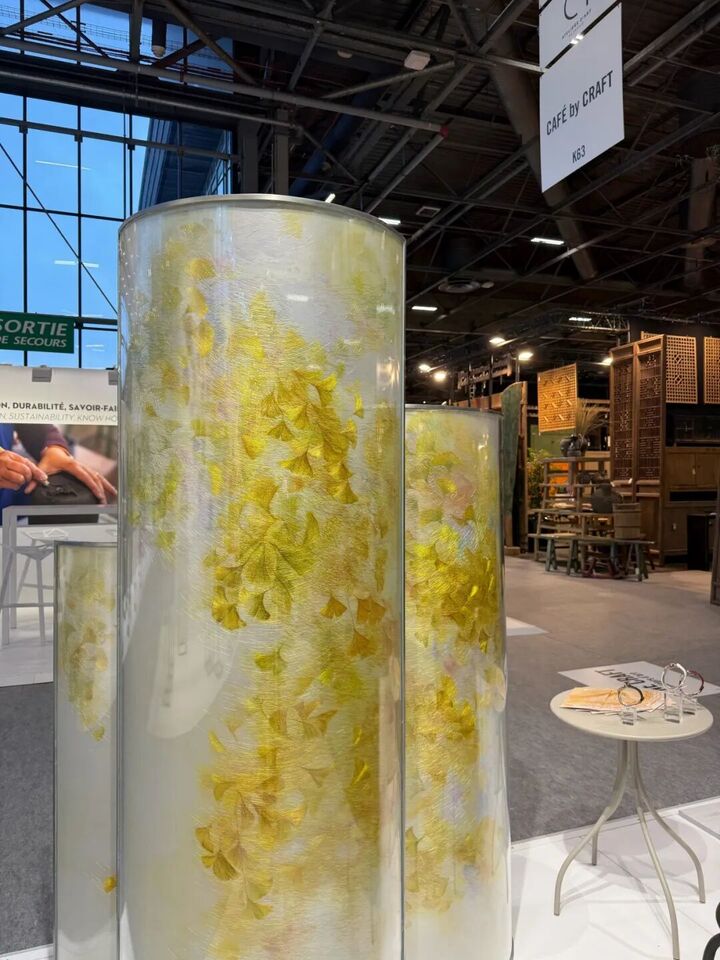
Core Insights - The non-material cultural heritage brand "Yao Embroidery" showcased at the Paris M&O exhibition, becoming the only Chinese brand in the exquisite craftsmanship section, promoting cross-cultural design exchange [1] - The exhibition theme was "Past Inspires Future," featuring two globally launched original double-sided screens designed by the Yao Embroidery team under the guidance of Yao Jianping, a representative inheritor of the national intangible cultural heritage project (Su Embroidery) [1] - The two showcased pieces, "A Bundle of Golden Autumn Light" and "Weaving Light and Shadow," highlight the brand's philosophy of giving traditional crafts new forms and meanings, demonstrating the limitless possibilities of Su Embroidery techniques to the world [1] Summary by Categories - **Brand Representation** - "Yao Embroidery" is the only Chinese brand at the M&O exhibition, emphasizing its role in promoting cultural heritage abroad [1] - **Exhibition Details** - The M&O exhibition featured the theme "Past Inspires Future," showcasing innovative designs that blend traditional craftsmanship with modern aesthetics [1] - **Product Highlights** - "A Bundle of Golden Autumn Light" uses gilded threads to create a warm autumn sunlight effect, while "Weaving Light and Shadow" depicts annual ring patterns, showcasing the versatility and beauty of Su Embroidery [1]
中国姚绣站上巴黎大展C位
Jiang Nan Shi Bao· 2026-01-17 07:26
Core Viewpoint - Yao Silk, a brand representing intangible cultural heritage, showcased its innovative Suzhou embroidery at the Paris M&O exhibition, highlighting the fusion of tradition and modernity in design [1][10]. Group 1: Brand Representation and Exhibition - Yao Silk was the only Chinese brand featured in the Fine Craft section of the M&O exhibition, emphasizing its role as a model for cultural heritage brands going global [1]. - The theme of the M&O exhibition, "Past Reveals Future," focuses on the integration of traditional craftsmanship with contemporary design [1]. Group 2: Product Launch and Design Philosophy - Two original Suzhou embroidery screens were globally launched, designed by Yao Silk's team under the guidance of national intangible cultural heritage representative Yao Jianping, aligning with the exhibition's theme of "coexistence of tradition and innovation" [4]. - The double-sided screen "A Bundle of Golden Autumn Light" features intricate embroidery that captures the warmth of autumn sunlight, showcasing the delicate craftsmanship of Suzhou embroidery [6]. - The borderless double-sided screen "Longitude and Latitude Flowing Light," developed over three years, embodies a serene Zen aesthetic, reflecting the harmony between nature and humanity [8]. Group 3: Overcoming Challenges and Global Impact - Yao Silk faced challenges such as stringent application processes and complex logistics but successfully showcased its craftsmanship at the M&O exhibition, demonstrating resilience and innovation [10]. - The brand aims to create a new path for cultural heritage to thrive internationally, promoting a dialogue that connects Eastern aesthetics with global design [11][14].

非遗出海,他们这样做
Huan Qiu Wang· 2026-01-04 09:54
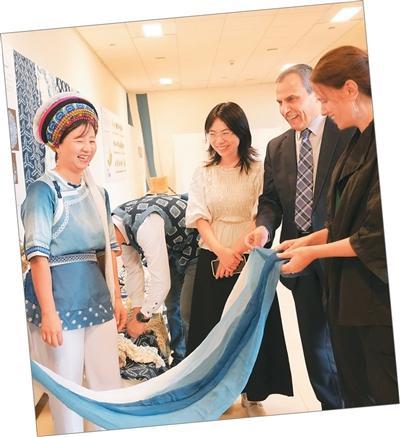
Group 1: Cultural Heritage and Innovation - The integration of digital technology into traditional cultural heritage is enabling Chinese intangible cultural heritage (ICH) to reach a global audience, with various stakeholders working together to promote creative transformation and innovative development [1][3] - Zhang Hanmin, a national-level representative inheritor of the Bai ethnic tie-dye technique, has successfully brought this traditional craft to international markets, emphasizing the importance of innovation and cultural confidence in product development [3][4][6] Group 2: Bai Tie-Dye Technique - Zhang Hanmin has developed over 50 plant dye color cards and more than 40 innovative tie-dye techniques, breaking the traditional color limitations and gaining international acclaim [4][6] - The Bai tie-dye products have expanded from traditional home goods to scarves and cultural creative products, collaborating with international brands to appeal to younger consumers [6][7] Group 3: Dehua Porcelain Industry - Dehua porcelain, recognized as a national intangible cultural heritage, has seen a 50% increase in ceramic flower pot exports in 2025, with the company exporting to over 50 countries and regions [8][9] - The Dehua ceramic industry is undergoing a transformation from traditional OEM to self-owned brands and high-end customization, with a focus on cultural output [10][12] Group 4: International Expansion and Brand Development - Dehua County has actively organized enterprises to participate in international exhibitions, leading to an annual export growth rate of over 10% [10] - The company has registered over 100 patents and trademarks to establish an international brand for its porcelain products, aiming for a deeper cultural exchange and recognition [10][12] Group 5: Cultural Events and Global Outreach - The Yuyuan Lantern Festival, a significant cultural event, has expanded its influence internationally, attracting around 400,000 visitors annually and showcasing Chinese intangible cultural heritage [12][13] - The festival has successfully held events in Paris and Thailand, enhancing cultural exchange and friendship through immersive experiences [14][15]

非遗出海,他们这样做(我在中外交流第一线)
Ren Min Wang· 2026-01-02 22:11
Group 1: Cultural Heritage and Innovation - The integration of innovative wisdom into traditional intangible cultural heritage (ICH) is enabling Chinese ICH to reach the global stage, with efforts from inheritors, enterprises, and local governments promoting creative transformation and innovative development [1][3] - Zhang Hanmin, a national-level representative inheritor of the Bai ethnic tie-dye technique, emphasizes the importance of product innovation and cultural confidence for the international success of ICH [3][4] - The Bai tie-dye technique, traditionally limited to blue dyeing, has been expanded to over 50 plant dye colors and 40 innovative techniques, showcasing the craftsmanship at international exhibitions [4][5] Group 2: Market Expansion and Challenges - Zhang Hanmin has successfully introduced Bai tie-dye products to international markets, including the Netherlands and the UAE, but faces challenges such as competition from machine-made products and cultural understanding barriers [5][6] - The company "Lanxu" has diversified its product range from traditional home goods to scarves and cultural creative products, collaborating with international brands to appeal to younger consumers [5][6] Group 3: Cultural Storytelling and Education - Beyond selling products, it is crucial to convey the cultural stories behind ICH, as demonstrated by Zhang Hanmin's workshops and exhibitions that highlight the harmony between humans and nature [6] - The Bai tie-dye technique is positioned as a cultural medium that transcends geographical boundaries, aiming to connect with global audiences [6] Group 4: Development of Dehua Porcelain - Dehua porcelain, recognized as a national intangible cultural heritage, has seen a significant increase in export value, with a 50% growth in ceramic flower pot exports in 2025 [10][12] - The company Tongxin Ceramics has adapted to market demands by developing lightweight, eco-friendly porcelain products, reducing weight by 40% and increasing international orders [10][11] Group 5: Brand Building and Internationalization - Dehua's strategy includes transitioning from traditional OEM to self-branded, high-end customized products, with over 100 patents and trademarks registered for international recognition [12] - The county is actively promoting the "China White" brand in Europe, achieving mutual recognition of geographical indications with the EU [12] Group 6: Cultural Exchange through Events - The Yuyuan Lantern Festival, a significant cultural event, has expanded its influence internationally, attracting millions of visitors and showcasing Chinese heritage [13][15] - The festival's themes, such as "Shan Hai You Ling," have been successfully presented in international locations like Paris and Bangkok, enhancing cultural exchange and appreciation [15][17]
以热爱拓展非遗出海路(侨界关注)
Ren Min Ri Bao Hai Wai Ban· 2025-12-24 00:30
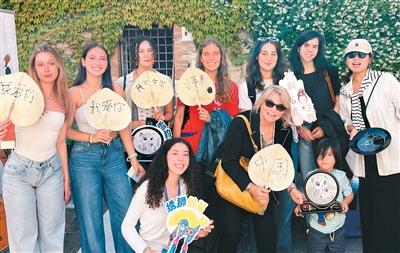
Core Viewpoint - The article highlights the efforts of Cai Qing, a fashion photographer and intangible cultural heritage (ICH) promoter, in bringing Chinese ICH to the international market, emphasizing the need for quality products and effective communication of cultural stories to enhance global interest and engagement [1][5][9]. Group 1: Background and Motivation - Cai Qing's journey into ICH began during her stay in Dali, Yunnan, where she was inspired by the local heritage elements and the artisans' desire for recognition [2][3]. - Initially focused on photography, her work captured the beauty of ICH and the lives of local artisans, leading to a growing interest from audiences both domestically and internationally [2][3]. Group 2: Market Exploration and Challenges - The successful organization of a Chinese ICH market in Germany revealed the international market potential for Chinese heritage, but also highlighted challenges such as product diversity and sales channels [5][7]. - Cai Qing has established partnerships with over 80 ICH projects across various provinces, focusing on quality and sustainable market strategies rather than sheer quantity [5][7]. Group 3: Cultural Exchange and Engagement - Cai Qing emphasizes the importance of two-way cultural exchange, where foreign audiences are not only interested in the products but also in the cultural narratives behind them [5][6]. - Activities include showcasing ICH through engaging storytelling and visual media to enhance understanding and appreciation among international audiences [5][6]. Group 4: Sustainable Development and Future Plans - Despite facing challenges in commercialization and profitability, Cai Qing is exploring sustainable models such as overseas workshops and cross-cultural collaborations to deepen engagement with ICH [7][9]. - Future plans include creating platforms for youth collaboration and promoting ICH through partnerships with various brands to increase its international visibility [9].
非遗出海还需优化路径
Jing Ji Ri Bao· 2025-08-12 22:15
Core Viewpoint - Gansu Pingliang paper-cutting has been recognized as a key cultural export project by the Ministry of Commerce and other departments, marking a significant opportunity for sustainable cultural trade development [1] Group 1: Cultural Promotion and Communication - The first step in promoting intangible cultural heritage (ICH) abroad is to break communication barriers, necessitating the establishment of a team of cultural promoters with both depth and international perspective [2] - A special fund should be set up to support skilled ICH inheritors in showcasing their work internationally through demonstrations and teaching [2] - The creation of a professional overseas promotion team is essential for brand image building and international media relations, transforming complex cultural symbols into relatable narratives for audiences [2] Group 2: Industrialization and Product Development - The sustainable development of ICH requires a shift from individual craftsmanship to an industrial mindset, creating a modern ICH industry chain [3] - Innovations in design and the establishment of international design workshops are crucial for integrating ICH with foreign cultures, leading to the development of high-value products [3] - Standardization and scalability in production are necessary, alongside the introduction of smart devices to enhance efficiency while maintaining core craftsmanship [3] Group 3: Expanding Cultural Ecosystem - The success of the film "Huangfu Mi Acupuncture" at an international film festival highlights the potential for cultural products to reach broader audiences [4] - Continuous international outreach requires the establishment of self-sustaining market channels and the development of cultural IP to enhance global cultural exchange [4] - Collaborations with international brands can integrate ICH elements into global product lines, facilitating wider market penetration [4]
把非遗卖到欧洲,究竟有多难?
Hu Xiu· 2025-06-27 04:45
Core Insights - The article discusses the challenges and strategies of promoting Chinese intangible cultural heritage (ICH) products in Europe, highlighting the journey of an entrepreneur who aims to bridge cultural gaps and create market opportunities for ICH abroad [1][5][35] Group 1: Entrepreneur's Background and Motivation - The entrepreneur, Cai Qing, has a background in teaching Chinese as a foreign language and has explored various career paths before venturing into ICH [2][3] - She discovered the potential of ICH while interacting with artisans in Yunnan, realizing that these traditional crafts have significant market potential [6][7] Group 2: Market Exploration and Strategy - Cai Qing established a cultural media company in Guangzhou, focusing on making Chinese ICH visible and commercially viable in international markets [5] - During her travels in Europe, she identified a lack of Chinese crafts at exhibitions and a general unfamiliarity with ICH among foreign audiences [14] - The target demographic for her initiatives is primarily young consumers, utilizing both online and offline strategies to promote ICH [15][16] Group 3: Promotion and Engagement Tactics - The promotion strategy includes interactive and visually engaging activities, such as exhibitions and flash events, to attract and educate foreign audiences about ICH [17][18] - Collaborations with local businesses, like incorporating ICH designs into popular products, have proven effective in gaining consumer interest [33][34] Group 4: Challenges Faced - The entrepreneur's team faces logistical challenges in transporting materials and products for overseas events, often relying on local resources for support [20][24] - Cultural differences in business practices, such as the meticulous planning required in Germany, have necessitated more detailed preparations for events [25][28] - Initial marketing efforts focused too heavily on craftsmanship without connecting emotionally with foreign consumers, leading to a need for deeper storytelling [29][30] Group 5: Future Directions and Collaboration - The success of promoting ICH abroad relies on collaboration among artisans, designers, and local governments to ensure effective market entry and sustainability [36][37] - The entrepreneur emphasizes the importance of innovation and adaptability in the ongoing journey of promoting ICH internationally, viewing it as an "infinite game" that requires continuous exploration and rule-making [38]