五喜双皮奶

Search documents
广式糖水激活茶饮消费,“甜品化”成新风口
Nan Fang Nong Cun Bao· 2026-02-13 12:34
Core Insights - The article discusses the emerging trend of "dessertification" in the tea beverage industry, highlighting how traditional Cantonese sweet soups are being transformed into modern tea drinks [4][32]. Group 1: Industry Trends - The tea beverage industry is witnessing a shift towards integrating dessert elements, as seen with brands like Heytea introducing new products that blend traditional Cantonese flavors with contemporary formats [3][26]. - The demand for healthier, low-sugar options is driving the popularity of Cantonese sweet soups, which are characterized by their light and nourishing qualities, appealing to modern consumer preferences [11][12]. - The fusion of tea and dessert is creating new competitive landscapes, as brands expand their product offerings to include both traditional and Western-style desserts, enhancing customer experience and increasing average spending [26][29]. Group 2: Cultural Influence - The rich cultural heritage of Guangdong and Guangxi provides a strong foundation for tea brands to draw inspiration from local sweet soup traditions, leading to innovative product development [14][15]. - The integration of local ingredients such as peach gum and tapioca into tea beverages not only enhances flavor profiles but also creates unique selling points for brands, fostering differentiation in a crowded market [16][30]. - The trend of "dessertification" is expected to blur the lines between tea shops and dessert stores, with local sweet soups playing a pivotal role in the evolution of the industry towards a more diversified and quality-focused future [33][34].


集体上糖水,茶饮品牌在赌下一个“超级品类”
3 6 Ke· 2025-12-02 00:11
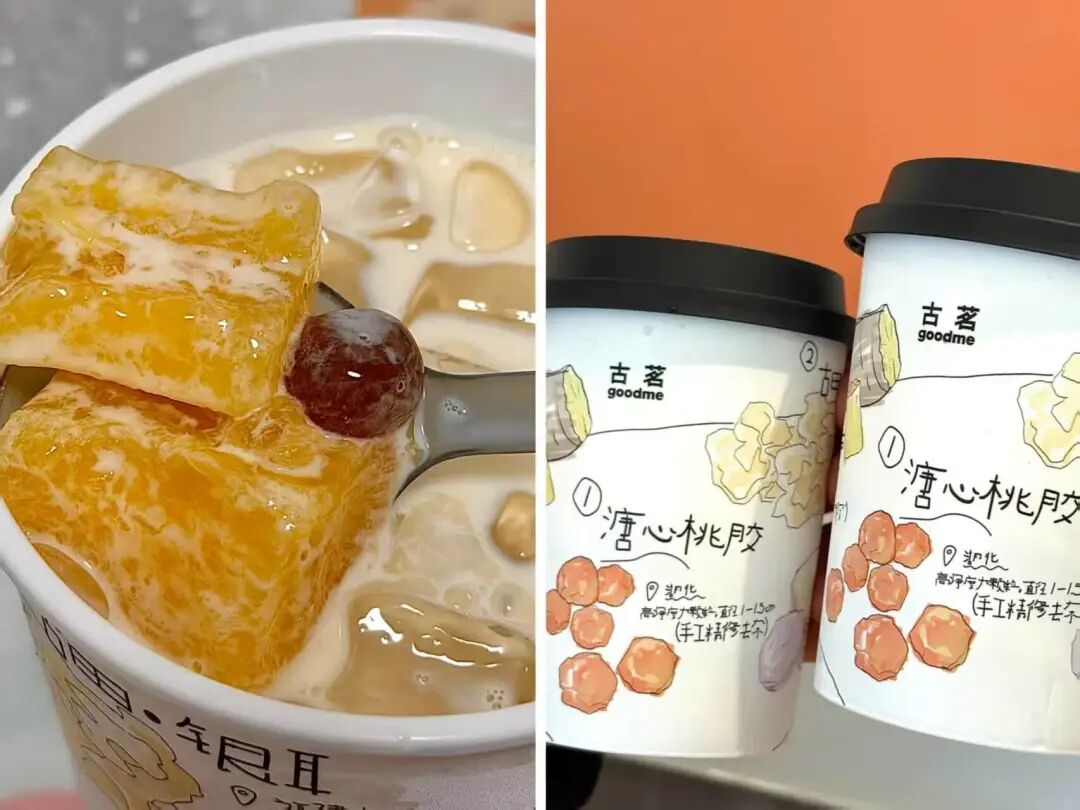
Core Viewpoint - The tea beverage industry is experiencing a surge in the introduction of sugar water products, with major brands launching new offerings to attract consumers and enhance their product lines [1][3][10]. Group 1: New Product Launches - Several leading tea brands have recently introduced sugar water products, such as Gu Ming's peach gum tapioca milk and CoCo's amber peach gum sugar water bowl, which have seen high demand and sold out in many locations [1][3]. - The number of new sugar water products launched by tea brands has increased significantly, with 8 new sugar water products identified among 74 brands in September and October [3]. Group 2: Strategies for Sugar Water Integration - Tea brands are adopting three main strategies for integrating sugar water into their offerings: adding sugar water directly to menus, creating dedicated sugar water sections in existing stores, and establishing sub-brands focused on sugar water [5][7][10]. - For example, brands like Ji Dong and Cha Yan Yue Se have successfully created dedicated sugar water stores, with Ji Dong's upgraded stores seeing performance increases of over 200% [5][7]. Group 3: Market Trends and Consumer Behavior - The resurgence of sugar water has attracted new players in the market, particularly those offering "new-style sugar water," which appeals to younger consumers' aesthetic and health concerns [8][10]. - Social media platforms have seen significant engagement with sugar water content, indicating a strong consumer interest in this product category [8]. Group 4: Industry Evolution and Competitive Landscape - The tea beverage industry is transitioning from a focus on single product breakthroughs to a more integrated ecosystem approach, expanding into adjacent categories like sugar water, coffee, and desserts [11][12]. - As competition intensifies, brands are increasingly looking to diversify their product offerings to extend operational hours and enhance customer loyalty [13][15]. Group 5: Future Outlook and Consolidation Trends - The industry is expected to undergo a consolidation wave, with leading companies exploring mergers and acquisitions to build brand matrices and expand product boundaries [16]. - The competition is evolving from single products to an ecosystem-based approach, with sugar water being a strategic move in this broader trend [16].