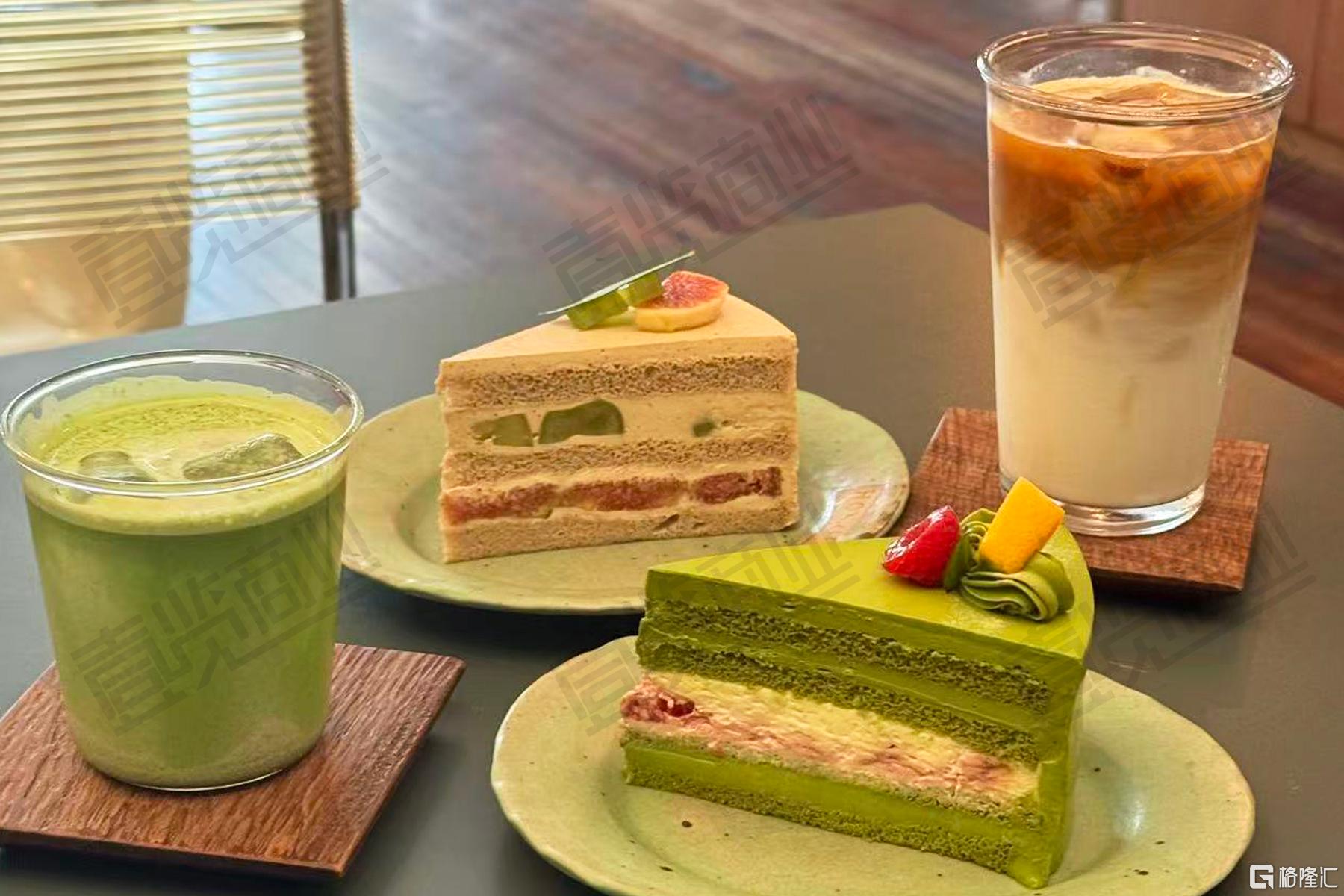
桃胶木薯炖奶

Search documents
狂开7万家店,千亿糖水是风口还是泡沫?
Xin Lang Cai Jing· 2026-02-14 14:33
Core Insights - The sugar water market is experiencing significant growth, with a surge in store openings and brand entries, marking 2025 as a pivotal year for this category [2][4][10]. Market Growth - As of April 2025, the number of sugar water-related enterprises in China has surpassed 200,000, reflecting a 21% increase since 2021 [3]. - By mid-July 2025, 75,215 new sugar water stores were opened, bringing the total to 198,697 [4]. - Notable brands like Mai Ji Milk Company and Shantou Sweet Soup have rapidly expanded, with the former exceeding 400 stores by August 2025 and the latter opening over 80 stores across multiple provinces [5]. Industry Dynamics - The sugar water category is becoming increasingly attractive to new tea brands, which are incorporating sugar water products into their menus [6][7]. - Social media engagement around sugar water is rising, with hashtags related to sugar water amassing billions of views on platforms like Douyin and Xiaohongshu [7]. Consumer Trends - The resurgence of sugar water is closely linked to the decline of the new tea drink sector, which is facing saturation and negative growth [10]. - Health-conscious consumption trends are driving demand for sugar water, with 71.8% of Generation Z preferring healthier beverage options [13]. Financial Metrics - The gross profit margin for sugar water products is approximately 65%, compared to around 55% for new tea drinks, making it a financially appealing sector [12]. Challenges Ahead - The sugar water industry faces challenges such as product homogenization and limited consumption frequency, which may hinder growth [17]. - The entry of new tea brands into the sugar water market could further complicate the competitive landscape, as they leverage established supply chains and customer bases [17]. Future Outlook - The potential for sugar water to replicate the success of new tea drinks remains uncertain, but the category is expanding its boundaries and possibilities [18].

广式糖水激活茶饮消费,“甜品化”成新风口
Nan Fang Nong Cun Bao· 2026-02-13 12:34
Core Insights - The article discusses the emerging trend of "dessertification" in the tea beverage industry, highlighting how traditional Cantonese sweet soups are being transformed into modern tea drinks [4][32]. Group 1: Industry Trends - The tea beverage industry is witnessing a shift towards integrating dessert elements, as seen with brands like Heytea introducing new products that blend traditional Cantonese flavors with contemporary formats [3][26]. - The demand for healthier, low-sugar options is driving the popularity of Cantonese sweet soups, which are characterized by their light and nourishing qualities, appealing to modern consumer preferences [11][12]. - The fusion of tea and dessert is creating new competitive landscapes, as brands expand their product offerings to include both traditional and Western-style desserts, enhancing customer experience and increasing average spending [26][29]. Group 2: Cultural Influence - The rich cultural heritage of Guangdong and Guangxi provides a strong foundation for tea brands to draw inspiration from local sweet soup traditions, leading to innovative product development [14][15]. - The integration of local ingredients such as peach gum and tapioca into tea beverages not only enhances flavor profiles but also creates unique selling points for brands, fostering differentiation in a crowded market [16][30]. - The trend of "dessertification" is expected to blur the lines between tea shops and dessert stores, with local sweet soups playing a pivotal role in the evolution of the industry towards a more diversified and quality-focused future [33][34].

古茗(01364):再论“补贴潮”后古茗的长期成长
HTSC· 2026-02-06 13:16
Investment Rating - The report maintains a "Buy" rating for the company [6][24]. Core Insights - The company is expected to expand its store count significantly, with a long-term target of 35,000 stores, driven by a unique "onion ring" expansion strategy and strong supply chain capabilities [2][14]. - The company is transitioning from a tea beverage leader to a multi-category pioneer, introducing new product lines such as coffee, desserts, and HPP juices, which are expected to enhance store efficiency and broaden customer demographics [3][19]. - The company is projected to achieve a net profit of 2.913 billion RMB in 2026, reflecting a year-on-year growth of 17%, with a net profit margin of 18.3% [4][24]. Summary by Sections Store Expansion Potential - The company has a long-term store expansion potential of approximately 35,375 stores, based on regional density improvements and supply-demand growth perspectives [2][14]. - The company has entered new provinces and strengthened its competitive barriers in existing regions, enhancing brand recognition and supply chain synergy [12][13]. Product and Store Model Innovation - The company has accelerated its transformation into a multi-category "beverage convenience store," effectively filling gaps in non-peak consumption periods and expanding its customer base [3][19]. - The introduction of the 6.0 store model aims to enhance brand quality and customer experience, with a focus on optimizing dining experiences and increasing in-store consumption [21][22]. Financial Projections and Valuation - The company’s adjusted net profit forecasts for 2025, 2026, and 2027 are 2.486 billion, 2.913 billion, and 3.693 billion RMB, respectively, with corresponding adjusted EPS of 1.05, 1.22, and 1.55 RMB [5][10]. - The target price has been raised to 36.73 HKD, reflecting a 27x PE ratio for 2026, indicating a strong growth outlook despite potential short-term challenges [24][26].
“Q弹”木薯,引爆今冬茶饮市场
Nan Fang Nong Cun Bao· 2026-02-04 05:04
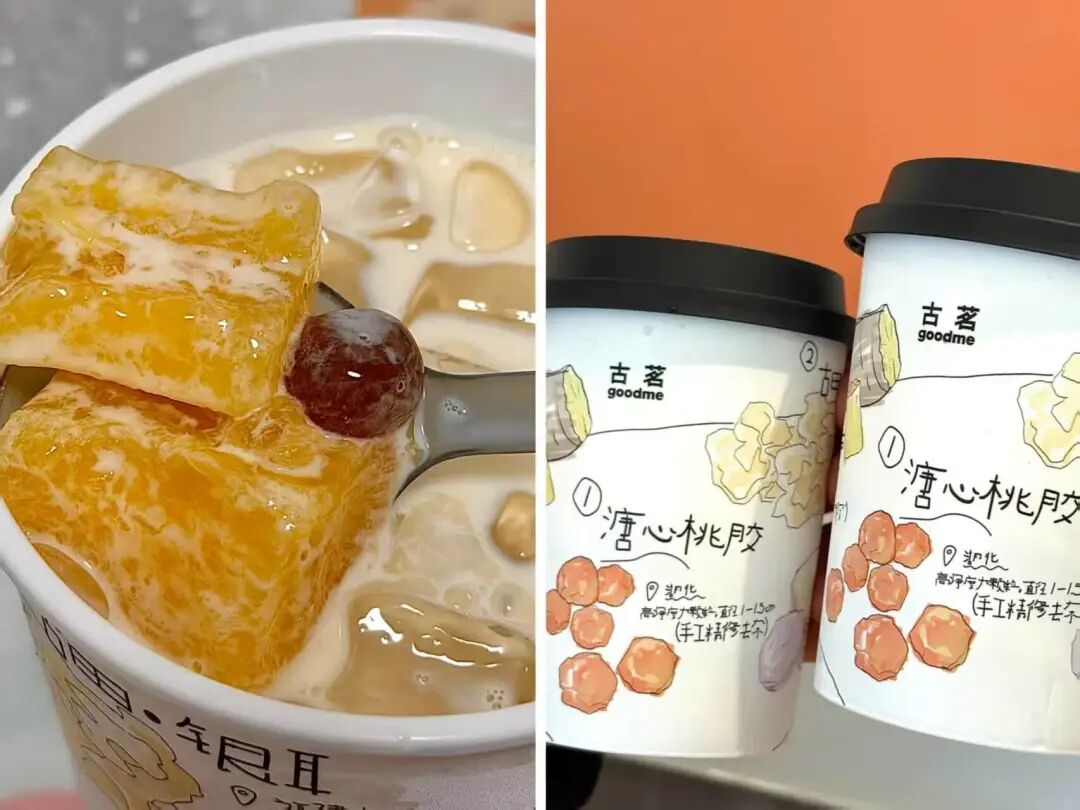
Core Insights - The article discusses the rising popularity of cassava in the tea beverage market, highlighting its unique texture and flavor as a key driver for new product launches by various brands [2][3][8]. Group 1: Market Trends - Cassava has become a trending ingredient in the tea beverage sector, with brands like Cha Bai Dao, Gu Ming, and Hu Shang A Yi introducing new products featuring cassava [3][4]. - The demand for cassava-based drinks has led to stock shortages in many stores, indicating a strong consumer interest [3][10]. - Social media platforms have seen significant engagement around cassava, with discussions and views on topics related to cassava drinks reaching over 210 million and 870,000 respectively on platforms like Xiaohongshu [20][21]. Group 2: Product Innovations - Gu Ming launched "Peach Gum Cassava Stewed Milk" across over 12,000 stores, achieving top sales and causing stock shortages [10][11]. - Baozhugong's cassava drink series sold 1.12 million cups, becoming the brand's second-best seller after its signature drink [13][14]. - Tea Bai Dao's "Real Cassava Dessert Bowl" sold nearly 800,000 portions within three days of its launch, further fueling the cassava trend [15][16]. Group 3: Ingredient Characteristics - Cassava is a starchy root vegetable that offers a unique chewy texture, making it distinct from traditional ingredients like taro and mochi [29][30]. - The high amylopectin content in cassava contributes to its desirable texture, while its natural sweetness allows for minimal additional flavoring [34][35]. - The cultivation of cassava in regions like Guangdong and Hainan provides a stable supply chain, with a harvest peak from November to January [37][38]. Group 4: Challenges and Considerations - Despite its popularity, cassava poses certain risks, including the presence of cyanogenic compounds in its raw form, which require proper processing to ensure safety [40][41]. - The low protein content and high glycemic index of cassava may lead to health concerns for certain consumers, particularly those managing blood sugar levels [45][46]. - Brands face challenges in maintaining product differentiation and addressing consumer safety concerns, necessitating transparent processing and education efforts [53][55]. Group 5: Future Outlook - The success of cassava in the tea beverage market suggests a trend towards modernizing regional flavors for broader appeal [49][50]. - The industry may see more traditional ingredients being reimagined as standardized beverages, expanding market opportunities [51][57]. - Ongoing competition will likely focus on supply chain management, ingredient innovation, and emotional connections with consumers [58][59].
从“吃草”到“啃木头”,2025年奶茶爆品有多野?
Xin Lang Cai Jing· 2026-02-02 13:20
Core Insights - The beverage industry in 2025 continues to thrive on social media, with brands innovating to create surprising products that capture consumer interest [1][2] - The trends observed in 2025 provide a glimpse into the potential directions for 2026, highlighting a blend of nostalgia and modernity in product offerings [1][32] Group 1: Product Innovations - The return of traditional "sugar water" elements, particularly the rise of "tapioca," signifies a nostalgic trend in the beverage market, with brands like Gu Ming and Mai Ji Milk Company achieving significant sales through tapioca-based drinks [3][5][6] - Seasonal fruit competitions are evolving, with a shift from niche fruits to a focus on classic options like strawberries and cherries, emphasizing the importance of supply chain transparency and quality sourcing [7][9][10] - A "physical revolution" in beverage forms is occurring, blurring the lines between drinks and desserts, with products like liquid cakes and solidified versions of traditional drinks gaining popularity [11][12][13][16] Group 2: Health and Wellness Trends - The "super plant tea" category, which gained traction in 2024, continues to evolve in 2025, with an expanding range of ingredients and a focus on supply chain integrity, indicating a shift towards sustainable health-focused beverages [19][20] - The introduction of mushroom-infused drinks reflects a trend towards unique flavor profiles and regional cultural experiences, enhancing the diversity of offerings in the beverage market [20][22][24] Group 3: Market Dynamics - The emergence of "ice milk" drinks demonstrates a strategic return to familiar flavors, effectively meeting consumer demand for refreshing beverages during hot weather, while also creating a new product category [26][28] - The rise of "salty" flavors in beverages, such as cheese-infused teas, showcases a trend towards balanced flavor profiles that enhance the overall drinking experience [27][28] - The use of "dopamine colors" in product design and marketing is becoming a powerful tool for brands, enhancing visual appeal and consumer engagement through vibrant color schemes [29][31] Group 4: Future Outlook - The beverage industry is expected to continue exploring existing values and experiences to create the next generation of hit products, focusing on modern interpretations of traditional flavors and sensory experiences [32][33] - The competitive landscape in 2026 will favor brands that can not only generate short-term trends but also establish lasting connections with consumers through innovative and meaningful offerings [34]
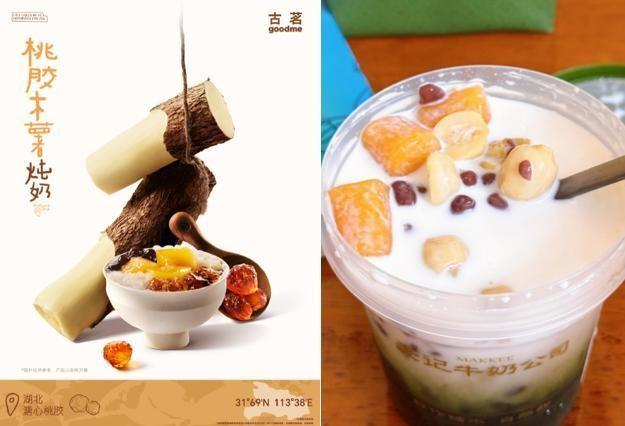
连锁茶饮行业研究:市场扩容持续,供应链铸就头部壁垒
SINOLINK SECURITIES· 2026-01-25 07:45
Investment Rating - The report assigns a "Buy" rating for the chain tea beverage industry, marking it as the first rating for this sector [1]. Core Insights - The market for ready-to-drink beverages is expected to grow significantly due to increased consumption frequency, with a projected market size of approximately 380 billion yuan by 2026, reflecting a year-on-year growth of 22.6% [2][18]. - The competitive landscape is being reshaped by supply chain advantages and product quality, leading to a consolidation of market share among leading brands [3][4]. Summary by Sections 1. Industry Growth in the Later Stage, Driven by Increased Consumption Frequency - The consumption frequency of ready-to-drink beverages is rising, driven by an expansion of consumption scenarios, including shopping, work, and leisure activities [11][14]. - The market size is projected to grow as the average annual consumption frequency is expected to maintain a compound annual growth rate (CAGR) of 22.4% from 2024 to 2026, with the market size reaching 380 billion yuan by 2026 [2][18][22]. - The total number of tea beverage stores is increasing, but the growth rate is slowing down, indicating a transition into the later stage of industry growth [24][27]. 2. Supply Chain and Product Power Reshape Competitive Landscape, Strengthening Leading Brands - Leading brands are experiencing steady growth in store numbers and operational efficiency due to their supply chain and product advantages, while smaller brands are being squeezed out due to insufficient supply chain capabilities [3][29]. - The market is becoming increasingly concentrated, with the share of stores held by brands with over 10,000 locations rising from 3% in early 2021 to 10.4% by late 2025 [29][30]. - The competitive dynamics vary by price segment, with high-end brands like Bawang Chaji consolidating their market position, while mid-range segments face intense competition [41][47]. 3. Scale Procurement and Efficient Distribution Create Cost and Quality Barriers - Leading brands leverage scale procurement to establish cost advantages and mitigate risks, while also ensuring product differentiation through deep integration with suppliers [3][38]. - Efficient distribution networks, including cold chain logistics, help maintain product freshness and further enhance cost advantages for leading brands [3][38]. 4. Key Company Analysis: Scale Effects and Store Optimization Drive Leading Brands - Miexue Ice City is expanding aggressively, with over 40,000 stores by 2025, maintaining a growth rate of over 20% [47][50]. - Guming is also showing robust growth, with a projected 13,000 stores by 2025, reflecting a 33% increase [31][36]. - Other brands like Chabaidao and Hushang Ayi are optimizing their store networks to improve efficiency and profitability [41][46].
喝古茗单加6份木薯堪比韩国国宴,这个容易吃中毒的奶茶小料咋被抢成断货王?
3 6 Ke· 2026-01-05 09:11
Core Viewpoint - The rising popularity of cassava as a trendy ingredient in winter beverages, particularly in milk tea, has led to significant social media engagement and consumer interest, despite potential health risks associated with its consumption [1][3][19]. Group 1: Popularity and Social Media Engagement - Cassava has become a viral sensation, with the hashtag CassavaSugarWater garnering 930 million views on Douyin and over 200 million views on Xiaohongshu [1][4]. - The unique texture of cassava, described as "geng jiu jiu," has captivated consumers, leading to its classification into three main types: "pulling cassava," "powdery cassava," and "geng jiu jiu cassava," with the latter being the most favored [1][5][7]. Group 2: Consumer Behavior and Product Development - Consumers are increasingly prioritizing cassava over traditional milk tea, with some opting to add multiple servings of cassava to their drinks, indicating a shift in consumption patterns [10][22]. - Brands like Gu Ming have introduced cassava products, such as a 19 yuan peach gum cassava dessert, which quickly gained popularity, leading to a surge in demand for cassava as a key ingredient [3][10]. Group 3: Health Concerns and Preparation Challenges - Despite its popularity, cassava poses health risks due to its natural toxins, which can lead to food poisoning if not properly prepared [19][21]. - The preparation of cassava requires careful handling, including peeling, soaking, and cooking to eliminate toxins, which adds complexity to its consumption [21][22]. Group 4: Market Dynamics and Supply Chain Issues - The cassava market is characterized by a fragmented supply chain, with production concentrated in specific regions, leading to challenges in standardization and quality control [27][30]. - The demand for cassava has prompted brands to explore sourcing from various production bases to ensure consistent quality, highlighting the need for a stable supply chain [28][30].
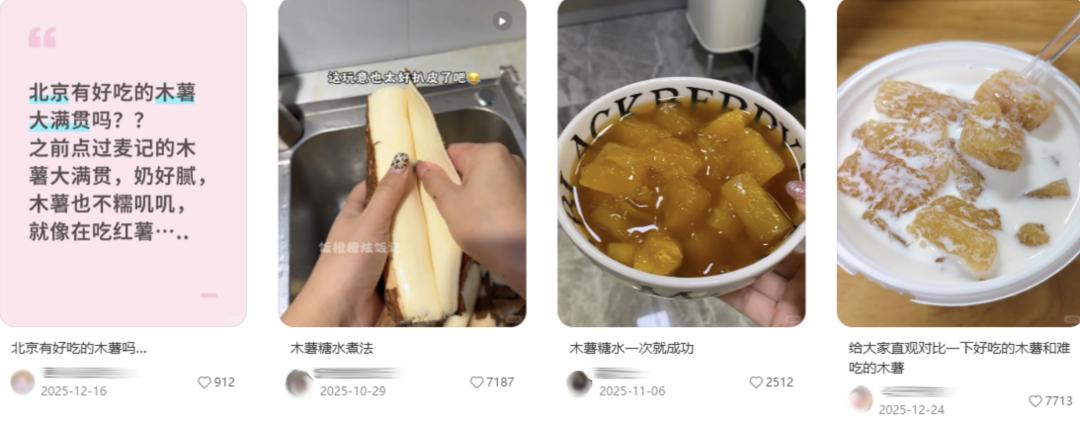
木薯突然爆火,古茗、沪上阿姨、煲珠公都在“抢上新”!
东京烘焙职业人· 2025-12-19 08:34
Core Viewpoint - The article discusses the rapid rise of cassava as a trending ingredient in the beverage industry, particularly in tea and milk tea shops, highlighting its popularity and the reasons behind its sudden fame [5][18][30]. Group 1: Rise of Cassava in the Beverage Industry - Cassava has transformed from a niche ingredient to a mainstream favorite, with brands like 麦记牛奶公司 (Mackey Milk) reporting that their "Cassava Grand Slam" product accounts for 30% of sales [7][21]. - The popularity of cassava is evidenced by over 200 million views on social media related to the ingredient, indicating a significant consumer interest [13][18]. - Major tea brands such as 古茗 (Guming) and 沪上阿姨 (Hushang Ayi) have launched new cassava products, contributing to its rising trend [9][10][12]. Group 2: Unique Qualities of Cassava - Cassava is traditionally a core ingredient in winter desserts in the Guangdong region, known for its sweet and dense texture, which has now gained national attention through various beverage brands [18][21]. - The unique texture of cassava, which combines chewiness and elasticity, sets it apart from other common winter ingredients, making it a memorable experience for consumers [23][25]. - The yellow heart cassava variety, used in many new products, is noted for its superior texture and sweetness compared to the more common white cassava [25][30]. Group 3: Versatility and Application - Cassava's adaptability allows it to be used in various beverage contexts, including as a core ingredient in milk tea and desserts, enhancing the flavor profile of drinks [27][30]. - Brands are experimenting with cassava in different formats, such as slow-cooked desserts and milk tea combinations, showcasing its versatility and appeal [29][30]. - The ingredient's ability to enhance the taste and texture of beverages provides a new avenue for product development in the winter beverage market [30][37]. Group 4: Challenges and Future Outlook - Despite its popularity, the supply chain for cassava faces challenges, including quality variability and limited availability, which may affect large-scale product launches [35][37]. - The industry is cautious about cassava's long-term status as a staple ingredient, as its future depends on supply chain stability and operational standardization in stores [37]. - Cassava has opened new flavor possibilities in the beverage market, indicating its potential to become a mainstay in the industry [38].

集体上糖水,茶饮品牌在赌下一个“超级品类”
3 6 Ke· 2025-12-02 00:11
Core Viewpoint - The tea beverage industry is experiencing a surge in the introduction of sugar water products, with major brands launching new offerings to attract consumers and enhance their product lines [1][3][10]. Group 1: New Product Launches - Several leading tea brands have recently introduced sugar water products, such as Gu Ming's peach gum tapioca milk and CoCo's amber peach gum sugar water bowl, which have seen high demand and sold out in many locations [1][3]. - The number of new sugar water products launched by tea brands has increased significantly, with 8 new sugar water products identified among 74 brands in September and October [3]. Group 2: Strategies for Sugar Water Integration - Tea brands are adopting three main strategies for integrating sugar water into their offerings: adding sugar water directly to menus, creating dedicated sugar water sections in existing stores, and establishing sub-brands focused on sugar water [5][7][10]. - For example, brands like Ji Dong and Cha Yan Yue Se have successfully created dedicated sugar water stores, with Ji Dong's upgraded stores seeing performance increases of over 200% [5][7]. Group 3: Market Trends and Consumer Behavior - The resurgence of sugar water has attracted new players in the market, particularly those offering "new-style sugar water," which appeals to younger consumers' aesthetic and health concerns [8][10]. - Social media platforms have seen significant engagement with sugar water content, indicating a strong consumer interest in this product category [8]. Group 4: Industry Evolution and Competitive Landscape - The tea beverage industry is transitioning from a focus on single product breakthroughs to a more integrated ecosystem approach, expanding into adjacent categories like sugar water, coffee, and desserts [11][12]. - As competition intensifies, brands are increasingly looking to diversify their product offerings to extend operational hours and enhance customer loyalty [13][15]. Group 5: Future Outlook and Consolidation Trends - The industry is expected to undergo a consolidation wave, with leading companies exploring mergers and acquisitions to build brand matrices and expand product boundaries [16]. - The competition is evolving from single products to an ecosystem-based approach, with sugar water being a strategic move in this broader trend [16].
幸运咖门店破万,茶饮品牌集体“炖糖水”
Ge Long Hui· 2025-11-26 14:48
Industry Overview - The domestic tea and coffee market is undergoing continuous reshuffling, with leading brands accelerating their scale competition [2] - In October, 27 monitored coffee brands opened 3,341 new stores, a month-on-month decrease of 10.31% but a year-on-year increase of 94.47%, totaling 81,000 stores [2] - The tea beverage sector saw 30 monitored brands with a total of 133,800 stores, netting a growth of 186 stores in October, a month-on-month increase of 0.14% [2] Expansion and Challenges - Despite expansion, concerns are emerging as brands like Mixue Ice Cream and Tea closed 804 stores, followed by Sweet Lala with 341 closures [3] - Other brands such as Shuyi Burned Grass and Bawang Tea Sister also reported significant closures, indicating potential challenges in maintaining store profitability [3] Product Innovations - Tea brands are increasingly launching new sugar water products, with Gu Ming introducing a slow-cooked series and CoCo also launching a new sugar water bowl [4] - The advantages of tea shops venturing into sugar water include overlapping customer demographics and core ingredients, which help reduce material pressure [4] Marketing Collaborations - CoCo has partnered with the game "Ming Chao," while Tims Coffee collaborates with Avita Motors, showcasing a trend of innovative cross-industry marketing [5] - Notable product performances include Mixue Ice Cream's "Ice Fresh Lemonade" selling over 1.5 billion cups in ten months, indicating strong consumer demand [5] Leadership Changes - Eric Lauterbach, CEO of Piye Coffee, has announced his departure, with Stuart Heflin set to take over, bringing over 20 years of experience in global consumer brands [6] Financial Developments - Manner Coffee is reportedly considering an IPO in Hong Kong by 2026, while Luckin Coffee is monitoring the U.S. capital market for a potential return to the main board [7] - Luckin Coffee reported Q3 2025 revenue of 15.287 billion RMB, a year-on-year increase of 50.2%, with a total of 29,214 stores after opening 3,008 new locations [8] - Starbucks is facing a collective lawsuit from shareholders for allegedly concealing sales declines, highlighting operational risks in the fast-growing industry [8]