伊利产品

Search documents
马年 CNY 营销,当谐音梗开始失效,靠什么继续成立
3 6 Ke· 2026-02-08 02:24
Group 1 - The core idea of the article is that the marketing strategies for the Chinese New Year (CNY) are evolving, with brands focusing on emotional narratives, cultural significance, and innovative engagement methods to resonate with consumers during this competitive period [1][30] - This year's CNY marketing is characterized by a shift from traditional methods to more personalized and emotionally driven campaigns, reflecting changes in consumer sentiment and expectations [23][30] - Brands are increasingly leveraging celebrity endorsements, with a focus on names that resonate with the zodiac theme, such as those with the surname "Ma," to create engaging and relatable content [3][24] Group 2 - The use of emotional storytelling is prominent, with brands like Apple and Pepsi focusing on themes of companionship and family reunions, which align with the sentiments of the CNY [9][10] - Limited edition products are a common strategy, with brands like Mixue Ice City and Lancôme incorporating cultural elements into their offerings, enhancing both sales and brand identity [16][19] - The marketing landscape is shifting towards a deeper understanding of cultural nuances, with brands moving beyond superficial symbols to create meaningful connections with consumers [27][30] Group 3 - The article highlights the importance of adapting to changing consumer behaviors, with brands embracing humor and relatability to connect with younger audiences facing social pressures during the CNY [26][30] - There is a growing trend of brands focusing on individual emotional experiences rather than grand narratives of success, reflecting a societal shift towards personal well-being [25][30] - The competitive nature of CNY marketing is leading brands to seek innovative and authentic ways to engage consumers, moving away from formulaic approaches to more genuine expressions of understanding and empathy [31][30]

苏超踢的不是球,是一门“搭子经济学”
创业邦· 2025-06-17 02:52
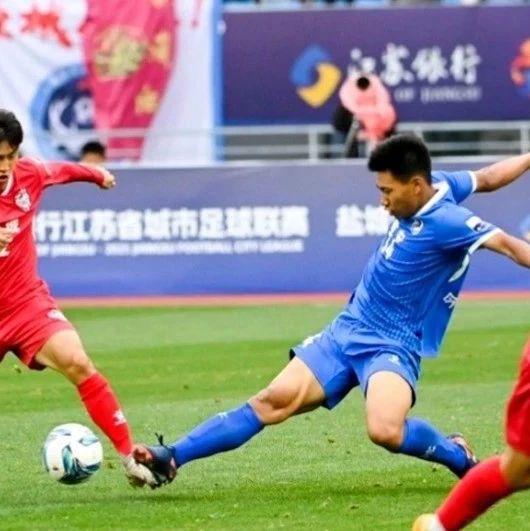
Core Viewpoint - The "Su Chao" league has transcended being merely a sports event, evolving into a new engine for regional economic development, significantly impacting tourism and capital markets, as evidenced by the massive engagement on social media platforms [3][4][25]. Group 1: Economic Impact - As of June 16, the hashtag SuChaoLeague on Douyin had over 4.3 billion views, while the related topic on Weibo garnered over 65 million reads, indicating a substantial public interest [3]. - The league has stimulated local tourism and consumption, with various sectors experiencing significant growth, including sports-related merchandise and local food products [11][25]. - The involvement of numerous sponsors, with the number approaching 20, highlights the league's attractiveness to brands, marking it as a top-tier domestic football event [13][16]. Group 2: Sponsorship Dynamics - The competition among sponsors has intensified, with brands like Yili leveraging innovative marketing strategies to engage with the youth demographic, moving beyond traditional advertising methods [17][18]. - Yili's approach includes creating relatable content and emotional connections with consumers, which has proven effective in enhancing brand visibility and resonance with the audience [19][20]. - The sponsorship landscape is characterized by a mix of local brands focusing on community integration and larger brands like Yili that adopt a more dynamic and engaging marketing strategy [18][21]. Group 3: Consumer Engagement - The concept of "partner economy" has emerged, where brands aim to fulfill the emotional needs of consumers, particularly the youth, who seek social connections and shared experiences [10][11]. - Yili's marketing efforts have successfully tapped into the cultural and emotional aspects of the audience, creating a sense of community and belonging among fans [20][30]. - The league's success is attributed to a collaborative effort among government, brands, and consumers, fostering a vibrant emotional consumption environment [26][27]. Group 4: Long-term Strategy - The league's ongoing popularity suggests a need for brands to innovate continuously, adapting to the evolving consumer landscape and emotional drivers [27][29]. - Yili's strategic focus on long-term engagement rather than short-term gains exemplifies a successful model for converting fleeting attention into lasting brand value [29][30]. - The integration of local culture and community sentiment into marketing strategies is essential for brands looking to capitalize on the emotional consumption trends driven by events like the Su Chao league [25][30].