搭子经济学

Search documents
伊利和京东,将搭子进行到底
3 6 Ke· 2025-09-28 13:20
Core Insights - The article discusses how major brands, particularly Yili, are adapting to consumer behavior by embracing the concept of "搭子" (partner) marketing, which emphasizes simplicity and convenience in purchasing decisions [3][5][19] Group 1: Consumer Behavior and Marketing Strategy - Consumers are increasingly rejecting complexity and are more inclined to choose "fail-proof" options, leading brands to rethink their marketing strategies [3][4] - Yili has positioned itself as a complementary product to mooncakes, rather than competing directly for attention, by partnering with JD.com to integrate milk into the purchasing process [5][8] - The collaboration allows consumers to easily add milk to their cart while purchasing mooncakes, enhancing the shopping experience without overwhelming them with choices [5][10] Group 2: Event Marketing and Brand Positioning - The Mid-Autumn Festival is traditionally associated with mooncakes, but Yili's strategy focuses on being a "搭子" that complements the main product, thus creating a unique market position [4][8] - Yili's marketing approach during the festival includes a "maximum tenfold free order" promotion, which not only incentivizes purchases but also reinforces the idea of milk as a staple item during the holiday [10][14] - The partnership with JD.com has evolved through three key events: Spring Festival, the college entrance examination, and Mid-Autumn Festival, showcasing a systematic approach to marketing that builds on previous successes [14][16] Group 3: Long-term Strategy and Brand Evolution - Yili's marketing strategy reflects a long-term vision, focusing on gradual brand integration into consumers' daily lives rather than seeking immediate attention through flashy campaigns [17][19] - The brand's ability to adapt to different cultural moments and consumer sentiments demonstrates its strategic depth and commitment to maintaining relevance in a competitive market [18][19] - This approach signifies a shift in the dairy industry, where brands are moving away from traditional competition for shelf space to embedding themselves into consumers' everyday choices [18][19]



伊利和京东,将搭子进行到底
36氪· 2025-09-28 13:00
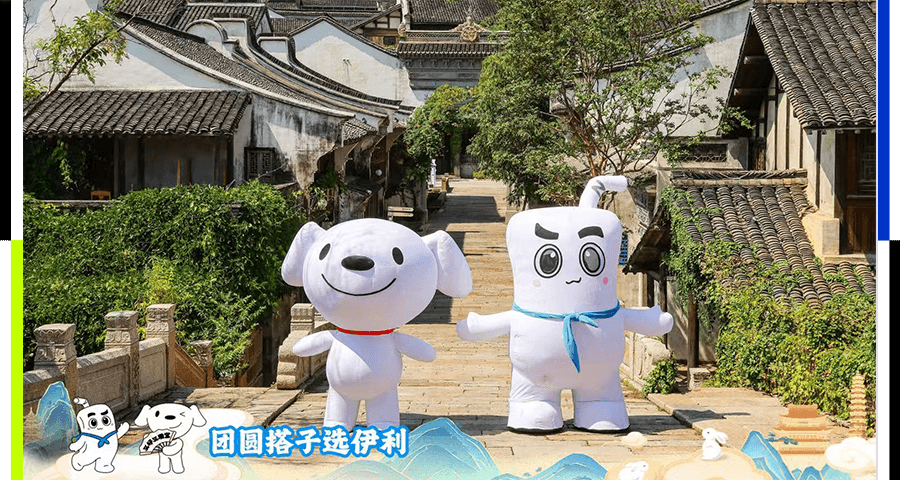
Core Viewpoint - The article discusses how major brands, particularly Yili, are leveraging the concept of "搭子" (partner) economics to integrate their products into consumer behavior during festive seasons, particularly focusing on the Mid-Autumn Festival [2][24]. Group 1: Consumer Behavior and Marketing Strategy - Consumer behavior during the Mid-Autumn Festival shows a trend towards simplicity, with shoppers preferring straightforward choices that minimize decision fatigue [3][7]. - Yili's strategy contrasts with other brands by positioning itself as a complementary product rather than competing for the spotlight, effectively embedding itself into the festive shopping experience [4][8]. - The collaboration between Yili and JD.com emphasizes a seamless purchasing experience, allowing consumers to add milk to their cart while selecting mooncakes, thus enhancing the overall shopping convenience [11][20]. Group 2: Event Marketing and Brand Positioning - Yili's approach during the Mid-Autumn Festival is characterized by a focus on being a "搭子" (partner) rather than a main character, which helps alleviate consumer pressure in gift selection [8][22]. - The partnership with JD.com has evolved through three significant marketing campaigns, each building on the previous one to create a more integrated consumer experience [14][20]. - The "团圆客栈" (Reunion Inn) initiative illustrates how Yili and JD.com are extending their marketing narrative from online to offline, creating a tangible connection with consumers [10][15]. Group 3: Long-term Strategy and Brand Evolution - Yili's consistent strategy over the past year reflects a commitment to long-term brand positioning rather than short-term marketing spikes, focusing on creating habitual consumer behaviors [24][26]. - The iterative nature of Yili's marketing campaigns demonstrates a shift in the dairy industry towards embedding products into everyday consumer choices rather than competing solely for attention during festive seasons [25][26]. - The success of Yili's "搭子" strategy indicates a broader trend in the industry where brands are encouraged to find their place within the consumer's shopping journey, moving away from traditional competition for visibility [22][26].

苏超踢的不是球,是一门“搭子经济学”
创业邦· 2025-06-17 02:52
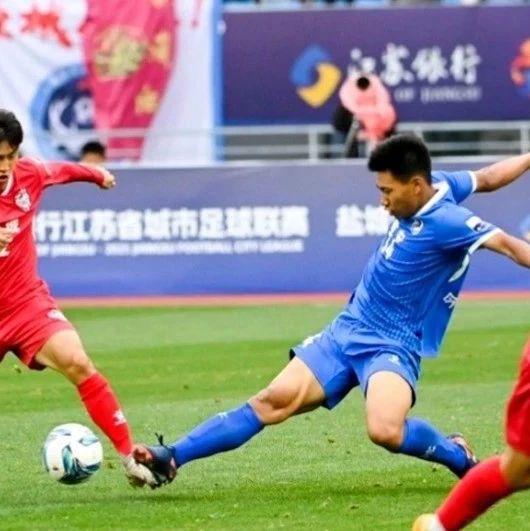
Core Viewpoint - The "Su Chao" league has transcended being merely a sports event, evolving into a new engine for regional economic development, significantly impacting tourism and capital markets, as evidenced by the massive engagement on social media platforms [3][4][25]. Group 1: Economic Impact - As of June 16, the hashtag SuChaoLeague on Douyin had over 4.3 billion views, while the related topic on Weibo garnered over 65 million reads, indicating a substantial public interest [3]. - The league has stimulated local tourism and consumption, with various sectors experiencing significant growth, including sports-related merchandise and local food products [11][25]. - The involvement of numerous sponsors, with the number approaching 20, highlights the league's attractiveness to brands, marking it as a top-tier domestic football event [13][16]. Group 2: Sponsorship Dynamics - The competition among sponsors has intensified, with brands like Yili leveraging innovative marketing strategies to engage with the youth demographic, moving beyond traditional advertising methods [17][18]. - Yili's approach includes creating relatable content and emotional connections with consumers, which has proven effective in enhancing brand visibility and resonance with the audience [19][20]. - The sponsorship landscape is characterized by a mix of local brands focusing on community integration and larger brands like Yili that adopt a more dynamic and engaging marketing strategy [18][21]. Group 3: Consumer Engagement - The concept of "partner economy" has emerged, where brands aim to fulfill the emotional needs of consumers, particularly the youth, who seek social connections and shared experiences [10][11]. - Yili's marketing efforts have successfully tapped into the cultural and emotional aspects of the audience, creating a sense of community and belonging among fans [20][30]. - The league's success is attributed to a collaborative effort among government, brands, and consumers, fostering a vibrant emotional consumption environment [26][27]. Group 4: Long-term Strategy - The league's ongoing popularity suggests a need for brands to innovate continuously, adapting to the evolving consumer landscape and emotional drivers [27][29]. - Yili's strategic focus on long-term engagement rather than short-term gains exemplifies a successful model for converting fleeting attention into lasting brand value [29][30]. - The integration of local culture and community sentiment into marketing strategies is essential for brands looking to capitalize on the emotional consumption trends driven by events like the Su Chao league [25][30].