优萃

Search documents
中国乳业「老三」要IPO了,年营收近200亿,负债率77%
Sou Hu Cai Jing· 2026-01-25 13:48
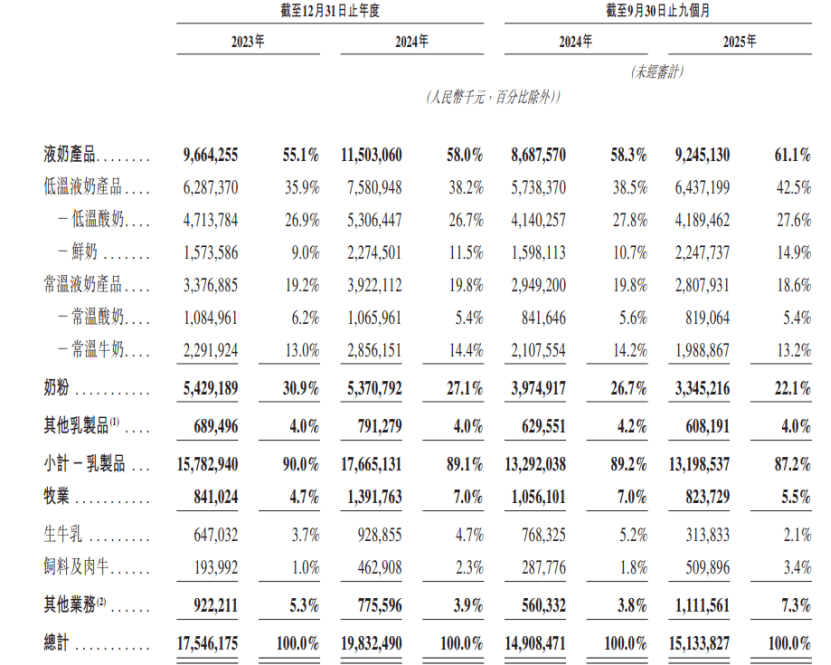
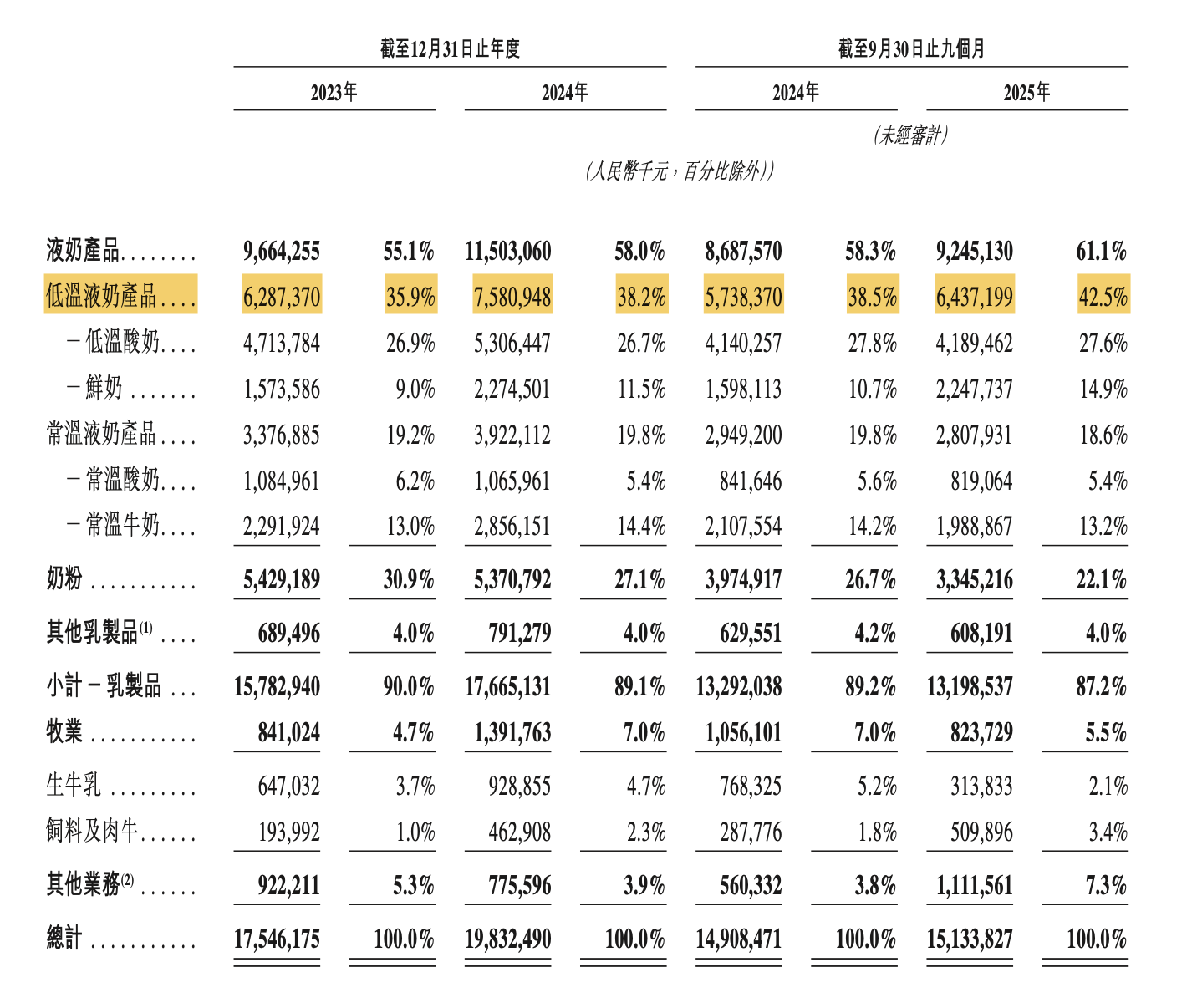
Core Viewpoint - Junlebao Dairy Group has submitted an application for a mainboard listing on the Hong Kong Stock Exchange, shifting focus from A-share listing to overseas market expansion [1] Group 1: Company Overview - Junlebao was founded in 1995 by Wei Lihua in Shijiazhuang, Hebei, initially having a tripartite shareholding structure with Wei holding 33%, Hongqi Dairy holding 33%, and Sanlu Group holding 34% [3] - After Sanlu's bankruptcy, Wei repurchased shares in 2009, increasing his stake to 83.53% [3] - In December 2010, Junlebao introduced strategic investor Mengniu, transferring 51% control for 469.2 million yuan [3] - Junlebao regained independence in 2019 when Mengniu divested its shares, leading to new investments from various institutions including Sequoia China and Ping An Capital [3] Group 2: Shareholding Structure - Prior to the IPO, Wei Lihua held 37.54% of shares, while management controlled 59.26% through various employee incentive platforms [4] - Sequoia China is the largest external institutional shareholder with an 8.59% stake, followed by Springhua Capital at 7.68% and Ping An Capital at 4.84% [4] Group 3: Financial Performance - Junlebao's revenue for 2023, 2024, and the first nine months of 2025 was approximately 17.546 billion yuan, 19.832 billion yuan, and 15.134 billion yuan, respectively, with net profits of 5.58 million yuan, 1.115 billion yuan, and 902 million yuan [10] - The company has a high debt level, with total liabilities reaching 17.57 billion yuan and a debt-to-asset ratio of 77.1%, significantly above the industry average of 50%-60% [10] - Junlebao has paid out approximately 1.625 billion yuan in dividends from 2023 to the first nine months of 2025, with a total of over 2.6 billion yuan in dividends over three years [10] Group 4: Product Portfolio - Junlebao's main revenue comes from dairy products, including low-temperature yogurt, fresh milk, and milk powder, with brands such as Junlebao and Yuxianhuo [6] - As of the first nine months of 2025, low-temperature dairy products contributed 15.134 billion yuan in revenue, accounting for 42.5% of total revenue [7] - The company holds a 5% market share in the infant formula market, ranking fifth among competitors [7] Group 5: Market Trends and Challenges - The overall dairy product market in China is experiencing a decline, with a projected market size of 659 billion yuan in 2024, down 3.1% year-on-year [14] - Junlebao has been actively pursuing mergers and acquisitions to explore new growth opportunities, completing eight investments since 2021 [15] - Despite the potential in cheese and yogurt markets, Junlebao faces challenges due to low consumer demand for dairy products in traditional diets [15][16]

151亿营收背后,君乐宝的“高负债扩张”与低温野心
Guan Cha Zhe Wang· 2026-01-22 02:52
Core Viewpoint - The Chinese dairy industry is experiencing a significant shift with Junlebao's recent move to accelerate its IPO plans, aiming for a listing by 2025, despite facing challenges such as high debt levels and intense market competition [2][4]. Company Overview - Junlebao has established itself as a major player in the dairy sector, ranking third in China, following Yili and Mengniu, with a market share of 24% in the high-end fresh milk segment through its brand "Yuexianhuo" and leading the low-temperature yogurt market with "Jianchun" [3][12]. - The company reported a revenue of 15.1 billion yuan and a net profit of 940 million yuan for the first nine months of 2025, with a notable increase in net profit margin from 3.4% to 6% over the past three years [3][22]. Business Strategy - Junlebao is focusing on low-temperature dairy products as a key growth area, which is seen as essential for differentiation and value enhancement in the competitive landscape [5][6]. - The company has a robust supply chain with 66% self-sourced milk and over 5,500 distributors, allowing it to leverage economies of scale [3][21]. Financial Performance - The company’s revenue from low-temperature liquid milk products reached 6.44 billion yuan, contributing nearly half of its total revenue for the first nine months of 2025 [9][12]. - Despite strong revenue growth, Junlebao faces a high debt ratio of 77%, indicating financial pressure from its aggressive expansion strategy [3][28]. Market Dynamics - The low-temperature liquid milk market in China is projected to grow significantly, with penetration rates expected to rise from 25.3% in 2024 to 31.8% by 2029, highlighting the competitive nature of this segment [24][25]. - Junlebao must navigate fierce competition from established players like Mengniu and Yili, as well as regional brands, to maintain its market position [25][26]. Future Outlook - The company plans to use funds raised from its IPO to enhance production facilities, strengthen brand marketing, and support channel expansion, aiming to alleviate its high debt burden and sustain growth [28][29]. - Junlebao's ability to convert its technological and product advantages into sustainable financial and brand strength will be crucial for its long-term success in the industry [29].
君乐宝IPO仅差“临门一大脚”?
Sou Hu Cai Jing· 2025-06-13 07:30
Core Viewpoint - Junlebao's IPO progress has been slow, with only one report released in January 2023, raising concerns about whether the company can meet its 25-year IPO commitment within the remaining six months [1][3]. Group 1: IPO Progress and Market Conditions - Junlebao's IPO was initiated on December 28, 2023, but the process has been prolonged, taking over 500 days since the start of its financing journey in 2019 [1][3]. - The current market conditions are unfavorable for IPOs, with a decline in birth rates and excess production capacity affecting the dairy industry [3][4]. - Major competitors like Mengniu and Yili have experienced revenue and profit declines, which may impact Junlebao's IPO valuation [4][5]. Group 2: Financing and Mergers - Since separating from Mengniu, Junlebao has engaged in multiple rounds of financing and acquisitions, with significant investments from various capital firms [9][10]. - The company has made several acquisitions to expand its product offerings, but the competitive landscape has become challenging due to previous market saturation by major players [11][12]. Group 3: Financial Health and Debt Levels - As of the end of 2022, Junlebao reported total assets of approximately 210.89 billion yuan and a net asset of about 47.17 billion yuan, resulting in a debt ratio of around 78% [17]. - In comparison, the average debt ratio for 18 listed dairy companies in the same year was only 45.06%, indicating Junlebao's financial strain [18]. Group 4: Market Perception and Brand Challenges - Junlebao's brand image is still affected by its historical ties to the Sanlu milk powder scandal, making it difficult to position itself in the premium market [31][32]. - The company has attempted to enter higher-end markets with new product lines, but market feedback has been disappointing, leading to challenges in maintaining competitive pricing [34][35]. Group 5: Future Outlook and Strategic Decisions - The management faces a dilemma regarding the timing of the IPO, balancing the need for capital against the risk of unfavorable market conditions [13][14]. - There are concerns about whether an IPO will significantly improve operational capabilities or merely serve as a means to satisfy investor expectations [26][35].