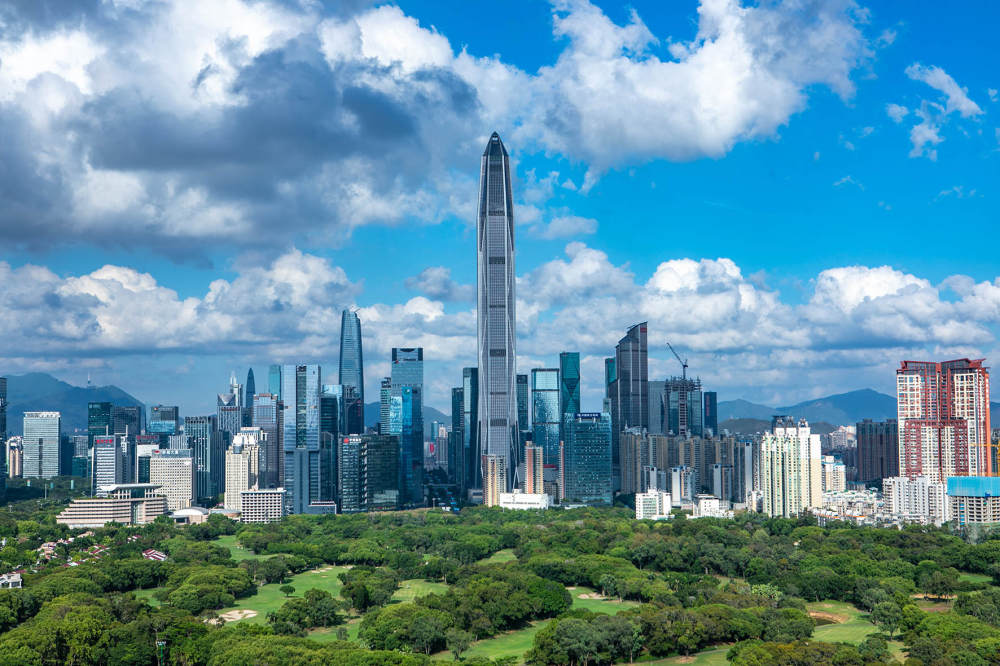
体外膜肺氧合仪(ECMO)

Search documents
新兴产业占GDP达43% 深圳“20+8”政策升级3.0版
2 1 Shi Ji Jing Ji Bao Dao· 2026-02-09 06:48
Core Insights - Shenzhen is set to implement the "3.0 version" of its "20+8" strategic emerging industry cluster policy by 2026, aiming for a growth target of over 7% in the added value of strategic emerging industries [1][4] - By 2025, the added value of Shenzhen's strategic emerging industries is projected to reach 1.67 trillion yuan, accounting for 43% of the city's GDP [2][4] Industry Growth and Structure - During the 14th Five-Year Plan period, Shenzhen's GDP grew at an average annual rate of 5.5%, leading among first-tier cities [2] - The added value of strategic emerging industries increased from 1.03 trillion yuan in 2020 to 1.67 trillion yuan, with a GDP share of 43% [2] - Advanced manufacturing accounted for 68.4% of the added value in regulated industries, with significant contributions from smart terminal clusters and digital economy sectors [2] Policy Evolution - The "2.0 version" of the policy was released in March 2024, introducing new clusters such as low-altitude economy and aerospace, and elevating artificial intelligence to a standalone cluster [3] - The policy aims to foster a symbiotic relationship between foundational research and industry clusters, promoting innovation and application [3] Future Industry Development - Shenzhen plans to enhance the development capabilities of key industries such as new-generation electronic information, electric vehicles, and semiconductors [4][5] - The city will also focus on emerging sectors like low-altitude economy, biomedicine, and high-performance materials, aiming for deep collaboration in manufacturing and service operations [5] High-Tech Product Advancements - Shenzhen is accelerating breakthroughs in high-end chips, semiconductor production equipment, and advanced materials, with significant achievements in previously monopolized technologies [5] - The city is also advancing in artificial intelligence, with over 2,600 AI enterprises and 1,000 core robotics companies, establishing itself as a leader in the global robotics market [6]
广东省工信厅曾进泽:广东AIR产业稳居全国第一方阵
2 1 Shi Ji Jing Ji Bao Dao· 2026-01-26 17:35
Core Insights - Guangdong aims to have 76,000 industrial enterprises by 2025, with expected revenues exceeding 19 trillion yuan, leading the nation [1][2] - The industrial and information service sectors are projected to contribute approximately 50% to GDP growth, with digital industry revenues surpassing 8 trillion yuan [1][2] - The artificial intelligence (AI) core industry in Guangdong is expected to exceed 300 billion yuan, achieving over 40% growth and accounting for one-fourth of the national total [1][6] Industrial Growth and Development - Guangdong's industrial enterprises are expected to reach 76,000 by 2025, with revenues projected to exceed 19 trillion yuan, ranking first in the country [2] - The contribution of industrial and information services to GDP growth is estimated at around 50%, with advanced and high-tech manufacturing accounting for over 50% and 30% of the industrial output respectively [2] - The province is implementing initiatives like the "Climbing Plan" to enhance the stability and reliability of industrial chains, achieving a 100% localization rate for automotive chip design [2] Innovation and Technology - Guangdong has established six national manufacturing innovation centers and 28 key pilot platforms, leading the nation in these areas [4] - The province is promoting the integration of technology and industry, with over 8,400 industrial enterprises undergoing digital transformation [4] - Guangdong has developed a comprehensive policy framework to support AI and robotics, with 147 specialized "little giant" enterprises in AI, the highest in the country [6][10] Future Industry Focus - The province is focusing on traditional, emerging, and future industries, with plans to enhance the development of sectors like new energy, smart vehicles, and biomedicine [5][11] - Guangdong is also laying the groundwork for future industries such as 6G communication and embodied intelligence [5] AI Industry Development - The AI core industry in Guangdong is projected to exceed 300 billion yuan by 2025, with significant growth and a strong position in the national market [6] - The province has implemented various policies to foster AI development, including the establishment of a comprehensive policy matrix at provincial and municipal levels [6][10] - Guangdong is actively promoting AI applications across various sectors, with a focus on creating replicable industry benchmarks [7][11]

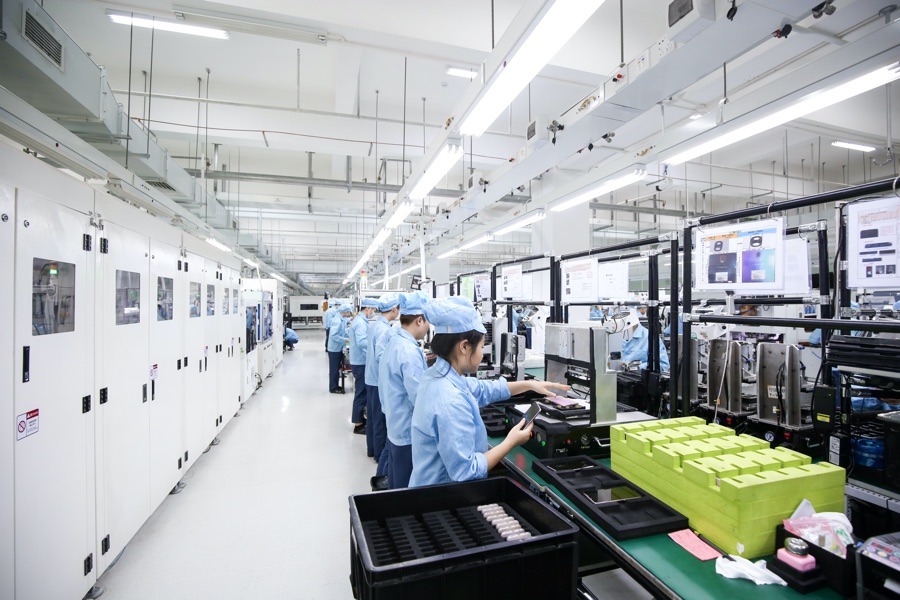
深圳各城区,“十五五”规划目标来了
2 1 Shi Ji Jing Ji Bao Dao· 2026-01-20 10:19
Core Insights - Shenzhen is strategically planning its economic and social development for the "14th Five-Year Plan" period, focusing on aligning with national strategies and leveraging regional advantages for collaborative growth [1] Group 1: Economic Development Strategies - Various districts in Shenzhen are targeting differentiated advantages to foster collaborative development, with Nanshan focusing on innovation and modern industrial systems, while districts like Longgang and Baoan aim to build industry clusters [1] - AI is identified as a key driver for enhancing industrial development across multiple districts, emphasizing its role in various sectors [1] Group 2: Manufacturing and New Productive Forces - During the "14th Five-Year Plan," Shenzhen's industrial output and value-added manufacturing have ranked first among Chinese cities for three consecutive years, with strategic emerging industries contributing significantly to GDP [4] - Each district is focusing on manufacturing as a core strategy, with specific initiatives such as Futian's development of a modern urban industrial area and Nanshan's dual focus on AI and advanced manufacturing [4][5] Group 3: Technological Innovation - Shenzhen has significantly improved its technological innovation capabilities, ranking second in total R&D investment among Chinese cities and first in R&D intensity [8] - The city aims to establish itself as a global center for industrial technology innovation during the "15th Five-Year Plan," with districts enhancing their innovation ecosystems [9][10] Group 4: Service Industry and Consumption Upgrade - The "15th Five-Year Plan" emphasizes the development of high-quality service industries, aiming to establish Shenzhen as a global financial, consumption, and logistics center [12] - Districts are leveraging their unique advantages to enhance service quality and consumer experiences, with Luohu focusing on international consumption and Longhua integrating manufacturing with consumer experiences [13][15] Group 5: Financial Sector Growth - The financial sector is the largest service industry in Shenzhen, with significant growth in value-added contributions and a strong presence of financial institutions in Futian [17] - Futian aims to strengthen its role as a modern industrial leader and contribute to Shenzhen's global competitiveness through technological innovation and service enhancements [17]