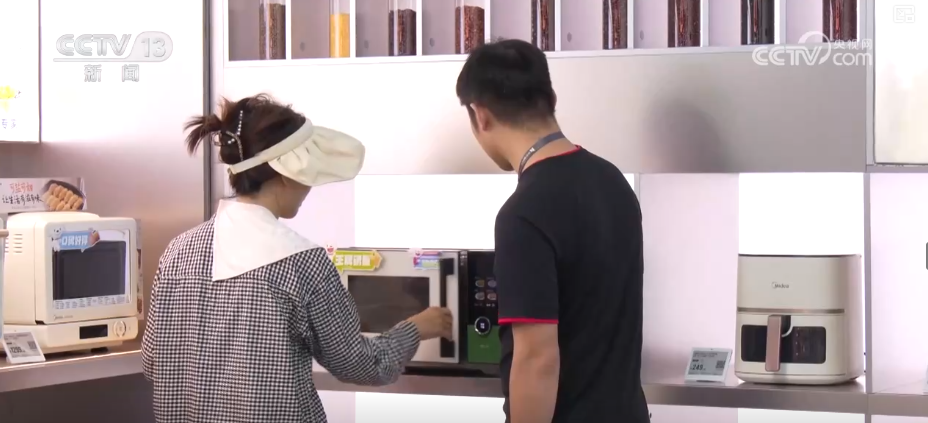
便携适老产品

Search documents
“以旧换新”点燃国庆中秋假期消费热潮,推动智能、绿色产品加速走进寻常百姓
Yang Shi Xin Wen Ke Hu Duan· 2025-10-05 08:07
Core Insights - The implementation of the "old-for-new" policy has significantly boosted consumer spending during the National Day and Mid-Autumn Festival holidays, with various regions launching diverse promotional activities to stimulate consumption [1][2][4]. Group 1: Policy Implementation - A total of 69 billion yuan has been allocated for the "old-for-new" consumption subsidy, which has been distributed to various regions before the holidays [1]. - The "old-for-new" policy has expanded its coverage to include a wider range of products, enhancing consumer participation and satisfaction [2][3]. Group 2: Consumer Behavior - In major cities like Beijing, foot traffic in retail stores has more than doubled compared to regular weekends due to the combined effects of subsidies and discounts [2]. - Consumers are taking advantage of substantial savings; for instance, a consumer in Anhui saved over 800 yuan on a new refrigerator due to government and store discounts [2]. Group 3: Market Dynamics - The automotive and agricultural machinery markets are experiencing a sales surge, with local governments and banks collaborating to provide comprehensive subsidy packages [4][5]. - In Hubei, the total value of combined subsidies for purchasing new vehicles can reach nearly 30,000 yuan, significantly enhancing consumer interest [4]. Group 4: Targeting Specific Demographics - The "old-for-new" policy is effectively engaging the elderly demographic, with tailored products and subsidies aimed at enhancing their quality of life [6][7]. - In Jinan, the elderly are benefiting from subsidies on mobility aids and home modifications, with a reported 40% increase in inquiries at senior-focused retail centers [7]. Group 5: Overall Impact - From January to August, approximately 330 million people have claimed the "old-for-new" subsidies, leading to over 2 trillion yuan in related sales [7].
从家电到农机,“以旧换新”点燃国庆中秋假期消费热潮
Yang Shi Xin Wen Ke Hu Duan· 2025-10-03 03:03
Group 1 - The government has allocated 69 billion yuan for the fourth batch of subsidies to support the "old for new" consumption policy, which is expected to boost consumer spending during the National Day and Mid-Autumn Festival holidays [1] - Various regions have launched diverse "old for new" promotional activities, significantly increasing foot traffic in retail stores, with some locations reporting over a 100% increase compared to regular weekends [2][3] - The "old for new" policy has expanded its coverage to include a wider range of products, facilitating consumer participation and promoting the adoption of energy-efficient appliances, with over 80% of sales in some stores being high-efficiency products [2] Group 2 - The automotive and agricultural machinery markets are experiencing a sales surge during the "golden September and silver October" season, with local governments and banks offering combined subsidies exceeding 100 million yuan [3] - In Hubei, a comprehensive subsidy package for car purchases includes various incentives, potentially saving consumers up to 30,000 yuan on a new energy vehicle [3] - The agricultural machinery sector is also benefiting from the "old for new" policy, with sales increasing by 30% compared to previous years, as farmers take advantage of the subsidies to upgrade their equipment [5] Group 3 - The "old for new" initiative is effectively stimulating consumption among the elderly demographic, with tailored products and services being offered to meet their needs [5] - In Jinan, a senior-friendly economic center has seen a 40% increase in inquiries about subsidized products for the elderly, indicating a growing market for age-appropriate goods [6] - The government has allocated 300 billion yuan in long-term special bonds for the "old for new" subsidies, with 330 million people applying for these benefits from January to August, resulting in over 2 trillion yuan in related sales [6]
“以旧换新”点燃国庆中秋假期消费热潮
Yang Shi Wang· 2025-10-02 12:23
Core Insights - The Chinese government has allocated 69 billion yuan for the fourth batch of special bonds to support the "trade-in" policy for consumer goods, which is expected to boost consumption during the National Day and Mid-Autumn Festival holidays [1] - The implementation of various promotional policies, including "trade-in subsidies," enterprise discounts, and store promotions, has significantly stimulated consumer enthusiasm during the holiday period [3] Group 1 - The "trade-in" policy has been enhanced with a composite discount system, making it easier for consumers to upgrade their products and promoting the adoption of smart and green products [3] - In Hubei, a comprehensive package of incentives, including local purchase subsidies and personal consumption loan interest subsidies, has been introduced, exceeding 100 million yuan, effectively stimulating demand for new cars [3] - The national government has allocated a total of 300 billion yuan in special bonds for trade-in subsidies this year, with all funds already distributed [5] Group 2 - Over 330 million people have claimed trade-in subsidies from January to August, leading to sales exceeding 2 trillion yuan for related products [5] - Innovative consumption models and scenarios have been developed in various regions, such as the "consumer market" in Taizhou, Jiangsu, where consumers can claim subsidies on-site [5] - In Jinan, Shandong, home modifications for the elderly have been included in national support, with free modification plans and portable products gaining popularity among the elderly demographic [5]

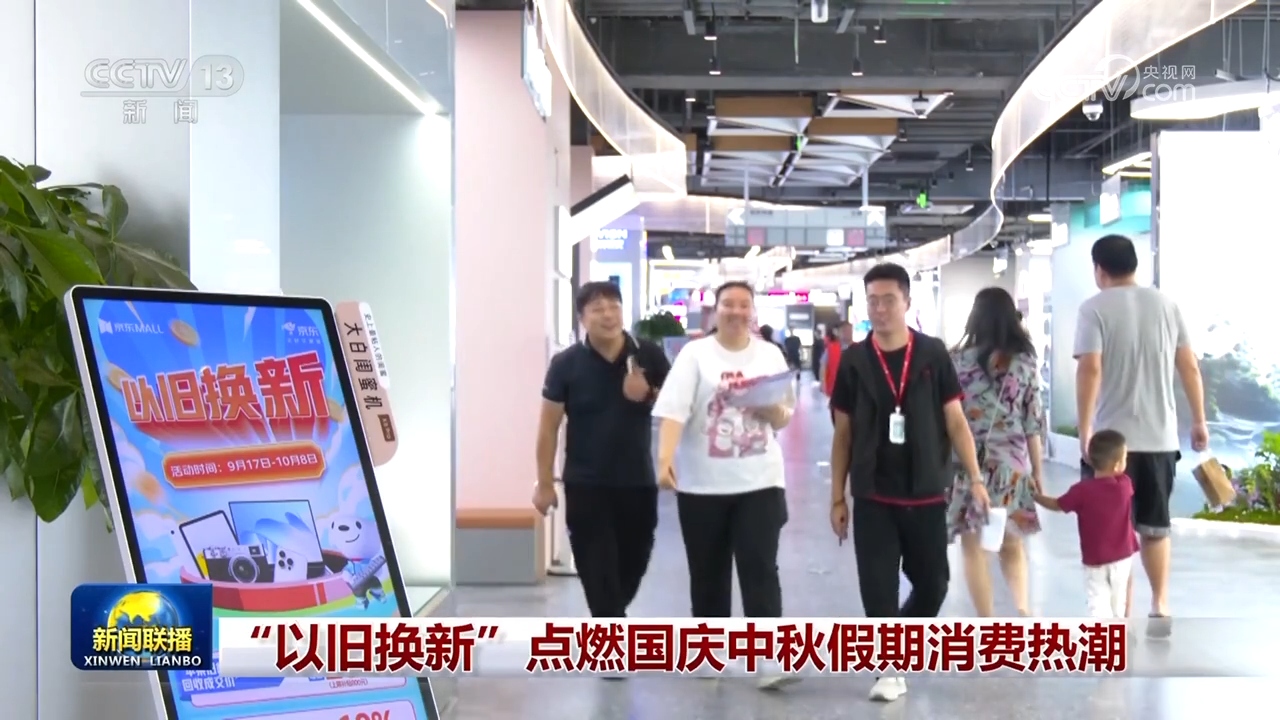
从家电到农机 “以旧换新”点燃假期消费热潮
Yang Shi Xin Wen Ke Hu Duan· 2025-10-02 10:59
Group 1 - The government has allocated 69 billion yuan for the fourth batch of long-term special bonds to support the "old for new" consumption policy, which has been distributed to various regions before the National Day and Mid-Autumn Festival holidays [1] - The "old for new" policy has significantly boosted consumer activity during the holidays, with some stores reporting a more than 100% increase in foot traffic compared to regular weekends [2] - In Anhui province, over 80% of energy-efficient appliances sold during the holiday period were part of the "old for new" program, indicating a shift towards smarter and greener products [2] Group 2 - In Jiangsu province, the "old for new" policy was implemented directly at popular markets, allowing consumers to save substantial amounts on new appliances, with one customer saving 12,000 yuan on a total purchase of 60,000 yuan [3] - The automotive and agricultural machinery markets have also seen a surge in sales due to combined subsidies from the government, banks, and enterprises, with some regions reporting a 40% increase in foot traffic at car dealerships [4] - In Hunan province, farmers are taking advantage of the "old for new" policy to upgrade their machinery, with one farmer receiving over 26,000 yuan in subsidies for purchasing new equipment [5][6] Group 3 - The "old for new" initiative has effectively activated the consumption potential of the elderly demographic, with targeted promotions and subsidies for products catering to their needs [7] - In Shandong province, a 30% subsidy is available for elderly-friendly products, leading to a 40% increase in inquiries at a local senior economic center [7] - The national government has allocated 300 billion yuan for "old for new" subsidies, with 330 million people applying for these benefits from January to August, resulting in over 2 trillion yuan in related sales [8]
假期消费火热!“国补+折扣+优惠”礼包加码发力激活“金九银十”消费新潜力
Yang Shi Wang· 2025-10-02 05:59
Core Insights - The Chinese government has allocated 69 billion yuan for the fourth batch of "trade-in" subsidies to stimulate consumer spending during the National Day and Mid-Autumn Festival holidays in 2025 [1] - The implementation of "trade-in" policies has significantly boosted consumer activity, with some retail locations experiencing a doubling of foot traffic compared to regular weekends [1][3] - The combination of government subsidies, bank loans, and corporate discounts has created a robust incentive structure for consumers to upgrade their appliances and vehicles [4][6] Consumer Behavior - In Jiangsu's Taizhou, the "trade-in" policy was directly applied at local markets, leading to significant purchases of home appliances, with one consumer saving 12,000 yuan on a total purchase of 48,000 yuan [3][4] - The integration of multiple discounts has lowered the barriers for consumers to upgrade to energy-efficient and smart products, with over 80% of sales in some areas being energy-efficient appliances [3] Automotive and Agricultural Markets - The automotive market is experiencing a peak sales season, with various local governments offering combined subsidies that exceed 100 million yuan to encourage new vehicle purchases [4][6] - In Hunan, the "trade-in" policy has led to a 30% increase in agricultural machinery sales compared to previous years, as farmers take advantage of the incentives to upgrade their equipment [13] Senior Consumer Segment - The "trade-in" initiative has also targeted the elderly demographic, with tailored activities and subsidies to stimulate spending among seniors [14] - In Jinan, seniors can receive up to 3,000 yuan in subsidies for purchasing home modifications and safety equipment, resulting in a 40% increase in inquiries about these products [15] Overall Impact - By August 2025, 330 million people had applied for "trade-in" subsidies, leading to over 2 trillion yuan in related sales, indicating a strong market response to the government's initiatives [15]