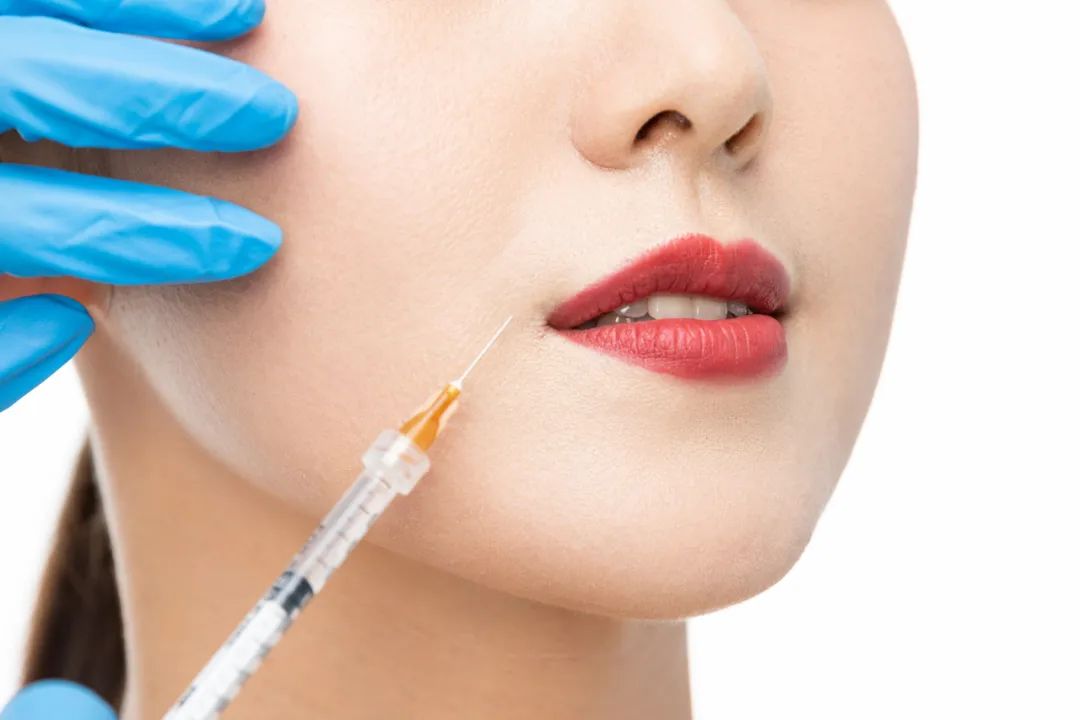
修丽可铂研胶原针

Search documents
“整容大国”要因职场男性“易主”了
Sou Hu Cai Jing· 2025-07-04 06:27
Core Insights - Japan's beauty medical industry has reached a market size of approximately 594 billion yen, surpassing South Korea to become the new "cosmetic powerhouse" [2] - The growth of Japan's medical beauty market has been significant, with a 120% increase in 2021 and a continued rise in demand for various treatments [3] - Male consumers have become a major driving force in the industry, with the number of male clients increasing 16 times over the past decade [4] Market Growth - The medical beauty market in Japan expanded 2.39 times from 2009 to 2023, indicating a robust growth trajectory [4] - In 2023, the market size reached over 500 billion yen, reflecting a growth of 108.8% compared to the previous year [3] Consumer Behavior - Approximately 70% of surveyed men express concern about their appearance, with 43% considering some form of beauty medical treatment [5] - The pressure of workplace competition and the desire for self-confidence are significant motivators for men seeking cosmetic procedures [5][6] Economic Context - Japan's employment rate for new graduates reached a historic high of 98.1% in 2024, but the country faces a demographic challenge with a declining birth rate and an increasing death rate [5] - The economic downturn has led individuals to invest in their appearance as a strategy to enhance job security and competitiveness [9] Industry Comparison - Japan's medical beauty culture is evolving, with a notable increase in public acceptance and participation in cosmetic procedures [11] - The country aspires to replicate South Korea's successful model of integrating medical beauty with tourism and consumption, although challenges remain [12][13] Regulatory Environment - Japan's medical beauty industry currently lacks stringent regulatory oversight, leading to a rise in complications from procedures performed by non-specialist doctors [19] - The increase in reported complications highlights the need for improved regulatory measures to ensure patient safety [19] Investment Trends - Global beauty companies are increasingly investing in the medical beauty sector, with major brands like L'Oréal and Estée Lauder expanding their offerings [21][22] - Despite the growth potential, there are concerns about the sustainability of the medical beauty market, as evidenced by declining average spending per customer and increased competition [27]


美妆巨头抢滩医美:欧莱雅科技转型背后的行业变局
3 6 Ke· 2025-04-13 05:05
Core Insights - The beauty and medical aesthetics sectors are increasingly merging, with significant interest from both international giants and local startups, indicating a strong growth trend in this area [1][5][31] - L'Oréal is a leading player in this trend, having made substantial investments and strategic moves to integrate beauty and medical aesthetics [2][10][17] Group 1: Industry Trends - Since 2024, there has been an unusual enthusiasm among beauty companies to enter the medical aesthetics business, with both high-end and budget brands participating [1] - The merger of beauty and medical aesthetics is not a new concept, but it is gaining momentum, with companies like L'Oréal leading the charge [1][5] - The retail sales of cosmetics in China fell by 1.1% in 2024, while the total retail sales of consumer goods grew by 3.5%, highlighting the need for beauty brands to innovate and find new growth avenues [5] Group 2: Company Developments - In 2023, L'Oréal rebranded its active health cosmetics division to the skin science beauty division and launched its core brand, SkinCeuticals, in 2024 [2] - Estee Lauder's Clinique launched a series of medical device products, while Shiseido is set to introduce its first medical beauty brand in China [3] - Domestic brands like Shiseido and Up Beauty are also making strides in the medical aesthetics space, with new product launches and business developments [4] Group 3: Strategic Initiatives - L'Oréal's beauty tech transformation strategy, initiated in 2018, focuses on integrating technology into beauty and medical aesthetics, with significant investments in digital R&D [6][8] - The company has established a comprehensive network for integrating beauty and medical aesthetics, including investments in high-end medical beauty chains and partnerships with biotech firms [17][18] - L'Oréal's SkinCeuticals brand has seen a 9.8% year-on-year growth, reaching €7.03 billion in revenue, making it the fastest-growing segment of the group [10] Group 4: Market Dynamics - The merging of beauty and medical aesthetics allows brands to create a closed-loop product offering, enhancing customer loyalty and repeat purchases [22] - The shift towards medical aesthetics is seen as a necessary strategy to avoid intense competition in traditional beauty markets [19][20] - However, the differing operational models and regulatory requirements between beauty and medical aesthetics present new challenges for companies [24][30]