美妆科技转型

Search documents
欧莱雅中国研发和创新中心扬帆20年:本土实验室正孵化产业公共属性的迭代引擎
Cai Jing Wang· 2025-12-05 13:37
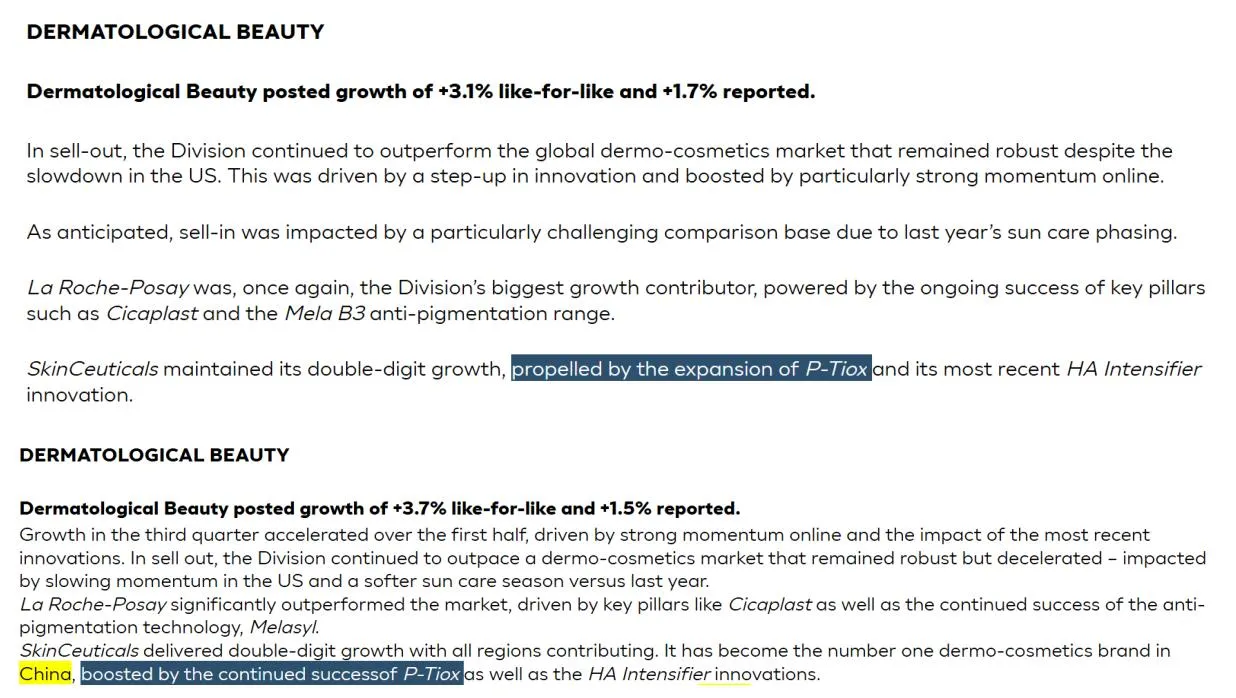
Core Insights - L'Oréal's China R&D and Innovation Center is driving global beauty giant's performance through localized product innovations tailored for Chinese consumers [1][2] - The center has evolved into a key pillar in L'Oréal's global R&D landscape, emphasizing collaboration with local scientific institutions and startups to enhance innovation capabilities [4][5] Group 1: Product Innovations - Customized products such as a jasmine-scented cream and a lip gloss inspired by local culinary flavors are examples of L'Oréal's localized approach [1] - The "P-TIOX" peptide serum, developed by the Chinese R&D team, has been highlighted as a major contributor to sustained double-digit growth for the brand [2] Group 2: R&D Achievements - Over the past 20 years, L'Oréal's China R&D has conducted approximately 35 large-scale foundational research projects, involving over 100,000 Chinese consumers annually [7] - In 2024, the center is set to publicly file 372 patents, with 81 of those being inventions from the Chinese R&D team [7] Group 3: Collaborations and Investments - L'Oréal has engaged in strategic investments in local biotech firms, such as "Unnamed Light," to co-develop innovative bioactive ingredients and promote sustainable production methods [10][11] - The establishment of the "Academician Workstation" in collaboration with Shanghai Jiao Tong University marks a significant milestone in L'Oréal's commitment to local scientific advancement [9] Group 4: Market Strategy - L'Oréal's investment strategy includes backing emerging local brands like LANlan, which aligns with the company's long-term vision of investing in the future of the Chinese market [15][16] - The company aims to leverage its R&D capabilities to support the commercialization of innovative products and enhance the overall beauty ecosystem in China [12][16]

美妆巨头抢滩医美:欧莱雅科技转型背后的行业变局
3 6 Ke· 2025-04-13 05:05
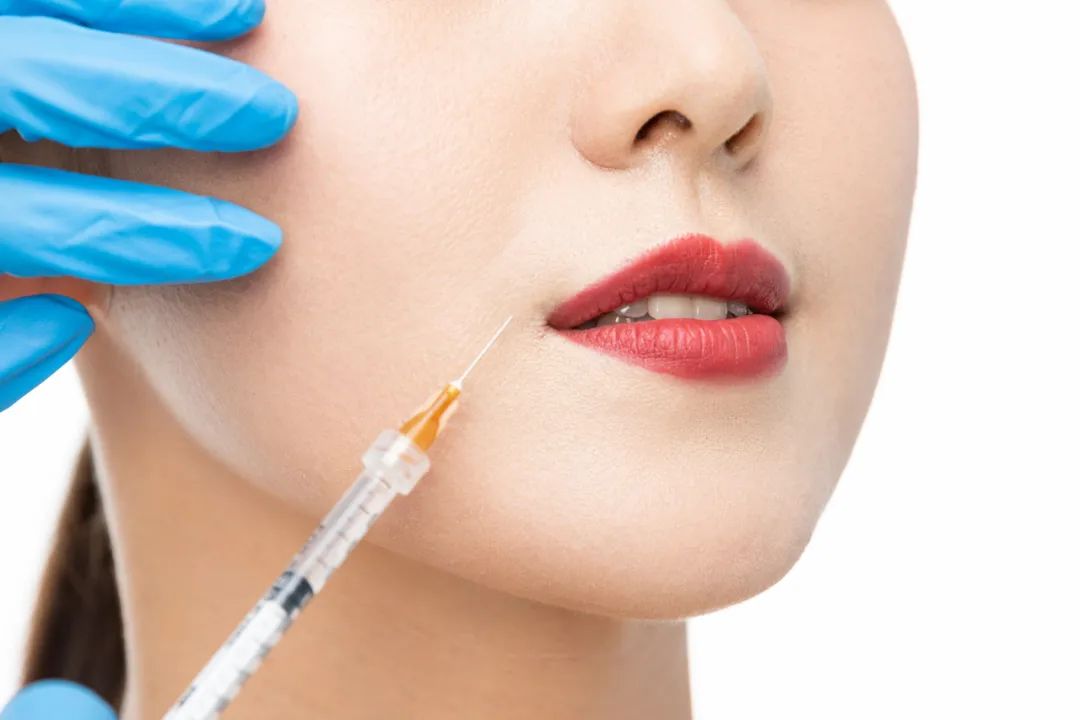
Core Insights - The beauty and medical aesthetics sectors are increasingly merging, with significant interest from both international giants and local startups, indicating a strong growth trend in this area [1][5][31] - L'Oréal is a leading player in this trend, having made substantial investments and strategic moves to integrate beauty and medical aesthetics [2][10][17] Group 1: Industry Trends - Since 2024, there has been an unusual enthusiasm among beauty companies to enter the medical aesthetics business, with both high-end and budget brands participating [1] - The merger of beauty and medical aesthetics is not a new concept, but it is gaining momentum, with companies like L'Oréal leading the charge [1][5] - The retail sales of cosmetics in China fell by 1.1% in 2024, while the total retail sales of consumer goods grew by 3.5%, highlighting the need for beauty brands to innovate and find new growth avenues [5] Group 2: Company Developments - In 2023, L'Oréal rebranded its active health cosmetics division to the skin science beauty division and launched its core brand, SkinCeuticals, in 2024 [2] - Estee Lauder's Clinique launched a series of medical device products, while Shiseido is set to introduce its first medical beauty brand in China [3] - Domestic brands like Shiseido and Up Beauty are also making strides in the medical aesthetics space, with new product launches and business developments [4] Group 3: Strategic Initiatives - L'Oréal's beauty tech transformation strategy, initiated in 2018, focuses on integrating technology into beauty and medical aesthetics, with significant investments in digital R&D [6][8] - The company has established a comprehensive network for integrating beauty and medical aesthetics, including investments in high-end medical beauty chains and partnerships with biotech firms [17][18] - L'Oréal's SkinCeuticals brand has seen a 9.8% year-on-year growth, reaching €7.03 billion in revenue, making it the fastest-growing segment of the group [10] Group 4: Market Dynamics - The merging of beauty and medical aesthetics allows brands to create a closed-loop product offering, enhancing customer loyalty and repeat purchases [22] - The shift towards medical aesthetics is seen as a necessary strategy to avoid intense competition in traditional beauty markets [19][20] - However, the differing operational models and regulatory requirements between beauty and medical aesthetics present new challenges for companies [24][30]