
停车服务

Search documents
多地下调停车费
第一财经· 2026-03-09 10:44AI Processing
2026.03. 09 来源 | 澎湃新闻、经济日报 封图 | AI生成 2026年以来,多地相继宣布下调公共停车场和道路泊位停车费,最新一例来自湖北宜昌。 湖北宜昌 3月15日起,宜昌市城区优化调整政府定价机动车停放服务收费政策将开始执行。 宜昌市发改委网 站近日公布的政策解读文章提及,自2022年宜昌市城区全面推行差别化停车收费政策以来,泊位周 转率大幅提升,对缓解"停车难"、引导宜昌市停车收费总水平合理稳定发挥了积极作用。随着该市 经济社会发展和机动车保有量持续增长,停车供需矛盾依旧突出。结合执行效果、市场反映、先进地 区经验,现行政策有进一步优化的空间。 新政策在推动总体收费水平稳中有降的框架下,重点对起步价、计费方式、免费规定等进行了优化调 整,实现停车收费"更精准、更惠民、更规范"的调控目标,切实减轻人民群众停车负担。 一个变化是下调收费标准: 起步价上,第一类政府投资建设公共停车场起步价由首停2小时5元下调 为首停1小时3元;第五类道路临时停车泊位核心二类、外围区域首小时起步价下调1元。续费时长 上,缩短计费时长,原1小时的调整为30分钟,原30分钟的调整为15分钟,计费方式更加精准合 理。封顶 ...

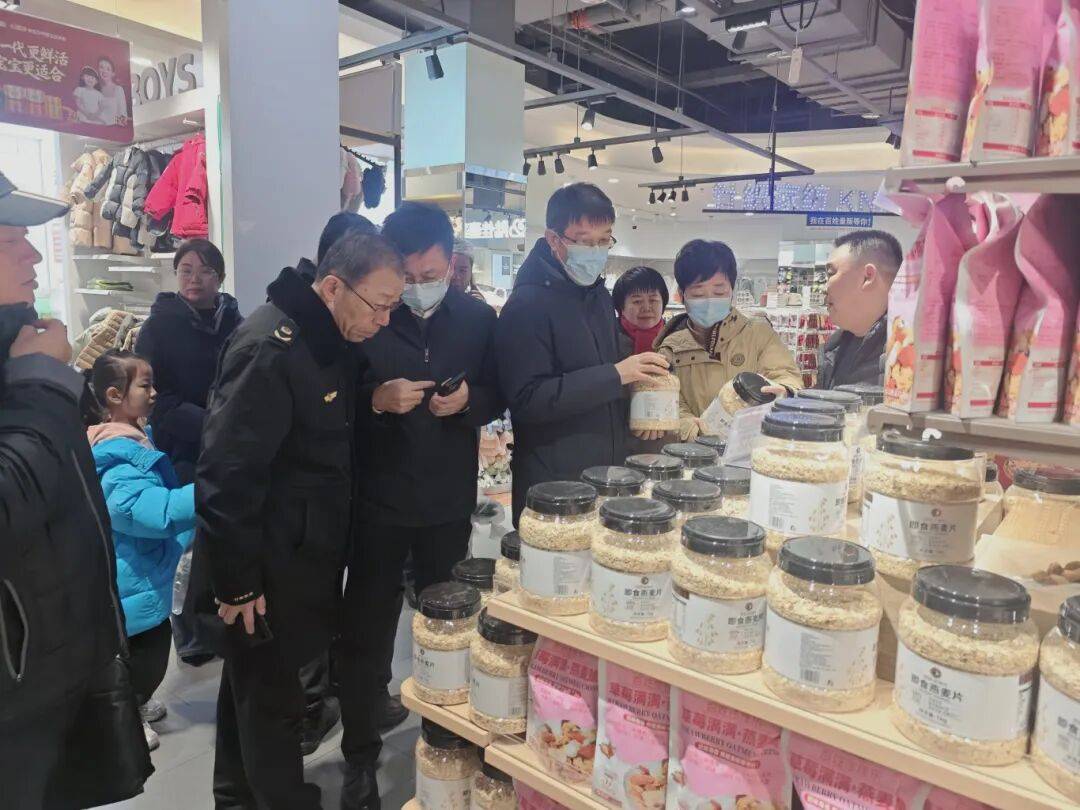
省市场监管局价监处处长万柳到濮阳经开区调研春节期间市场价格监管工作
Sou Hu Cai Jing· 2026-02-15 15:22
Group 1 - The core focus of the article is on the efforts of the provincial market supervision bureau to maintain price order during the Spring Festival, ensuring the stability of essential goods for the public [1][5] - The market supervision team conducted on-site inspections at various locations, including a supermarket and a farmers' market, to assess the management of prices and supply of essential goods [1][5] - The team emphasized the importance of strict adherence to price management regulations, including clear pricing and service standards, to protect consumer rights during the holiday season [3][5] Group 2 - The inspections included a detailed review of the supply and price fluctuations of essential goods such as rice, flour, oil, meat, eggs, vegetables, and dairy products, with a focus on stabilizing prices and preventing price gouging [5] - The market supervision bureau plans to increase monitoring efforts, focusing on key areas, products, and time periods to ensure compliance with pricing regulations and to address any abnormal price fluctuations promptly [5] - The overall goal is to create a safe and comfortable pricing environment for the public during the Spring Festival, ensuring sufficient supply and stable prices for essential goods [5]
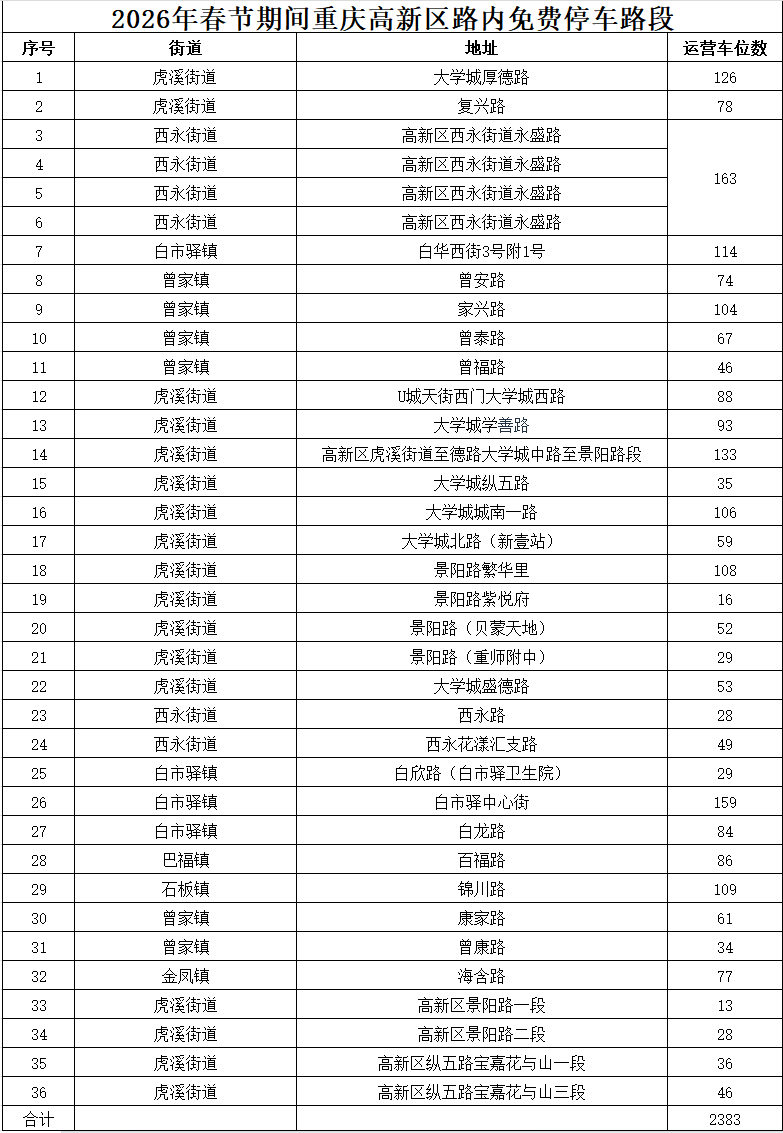
春节期间,重庆多地停车免费!
Xin Lang Cai Jing· 2026-02-10 13:53
Summary of Key Points Core Viewpoint The news highlights the free parking initiatives implemented in various districts of Chongqing during the Spring Festival, aimed at facilitating travel for residents and visitors, thereby enhancing the festive atmosphere. Group 1: Free Parking Initiatives - Wanzhou District offers free parking at over 9,000 parking spaces across more than 100 road sections from February 16 to February 20, 2026 [1] - Changshou District provides free access to all on-street parking spaces from February 15 to February 19, 2026 [1] - Chongqing High-tech Zone will have 2,383 on-street parking spaces available for free during the 2026 Spring Festival [2] Group 2: Specific Parking Details - The free parking in Wanzhou covers core commercial areas, old neighborhoods, and parks, maximizing benefits for car owners [1] - The free parking period in Changshou lasts for five days, coinciding with the festive celebrations [1] - The Chongqing High-tech Zone will have 36 designated road sections for free parking during the 2026 Spring Festival [2] Group 3: Additional Free Parking Areas - Hechuan District will offer free parking for 8,097 on-street parking spaces from February 15 to February 23, 2026 [3] - Detailed lists of parking locations in Hechuan District include various community and street names, ensuring comprehensive coverage for residents [4][5][6]
拒收人民币现金,两家公司及相关责任人被处罚
Xin Lang Cai Jing· 2026-01-23 02:40
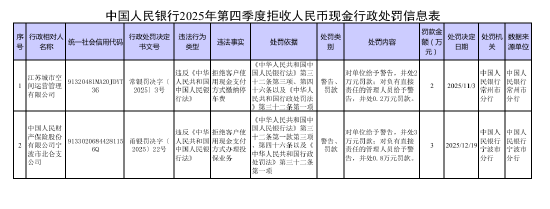
Core Viewpoint - The People's Bank of China has imposed economic penalties on two entities for refusing to accept cash payments, emphasizing the importance of respecting public payment choices and maintaining a harmonious cash circulation environment [1][7]. Group 1: Penalties Imposed - Jiangsu Urban Space Operation Management Co., Ltd. was fined 20,000 yuan for refusing cash payments for parking fees, with a direct responsible manager receiving a warning and a fine of 2,000 yuan [3][9]. - China Pacific Insurance Co., Ltd. Ningbo Beilun Branch was fined 30,000 yuan for refusing cash payments for insurance services, with a direct responsible manager receiving a warning and a fine of 8,000 yuan [4][10]. Group 2: Regulatory Framework - The People's Bank of China will continue to enforce regulations against the refusal of cash payments to protect consumer rights and uphold the legal status of the Renminbi [4][10]. - A new regulation titled "Regulations on Cash Payment and Service" will take effect on February 1, 2026, aimed at preventing the refusal of cash and ensuring diverse payment service needs are met [4][10]. Group 3: Compliance Requirements - Charging units and business entities must respect the public's right to choose legal payment methods and cannot refuse cash unless legally mandated [6][12]. - In cases where cash payments are feasible, entities must support cash transactions and provide appropriate services for cash payments in various scenarios, including technical failures [6][12].
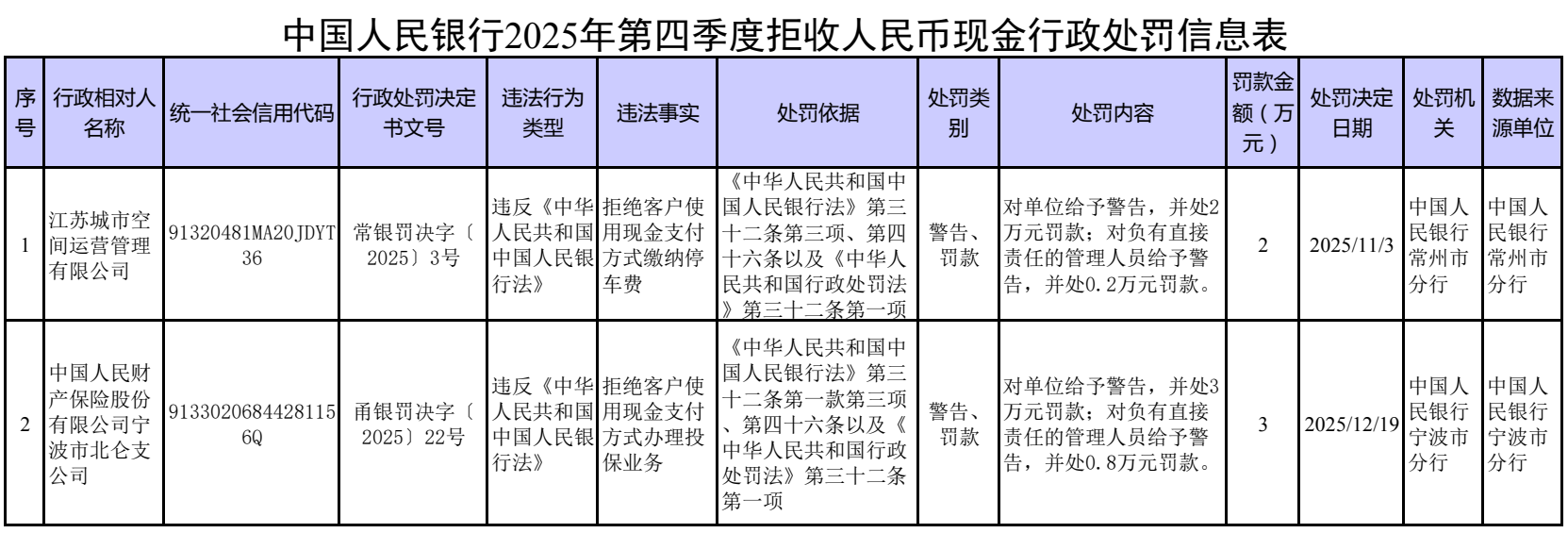
江苏城市空间运营管理有限公司被罚2万元:拒绝客户使用现金支付方式缴纳停车费
Xin Lang Cai Jing· 2026-01-22 08:23
Core Points - The People's Bank of China announced administrative penalties for refusal to accept cash payments in the fourth quarter of 2025 [1][3] Group 1: Penalties Imposed - Jiangsu Urban Space Operation Management Co., Ltd. was fined 20,000 yuan for refusing customers to pay parking fees in cash, violating the People's Bank of China Law [1][3] - The responsible management personnel of the company received a warning and a fine of 2,000 yuan [1][3] Group 2: Legal Framework - The penalties were based on violations of Article 13, Section 3, and Article 16 of the People's Bank of China Law, which mandates acceptance of cash payments [1][2]
广州拟大幅下调停车收费标准
Sou Hu Cai Jing· 2026-01-11 10:44
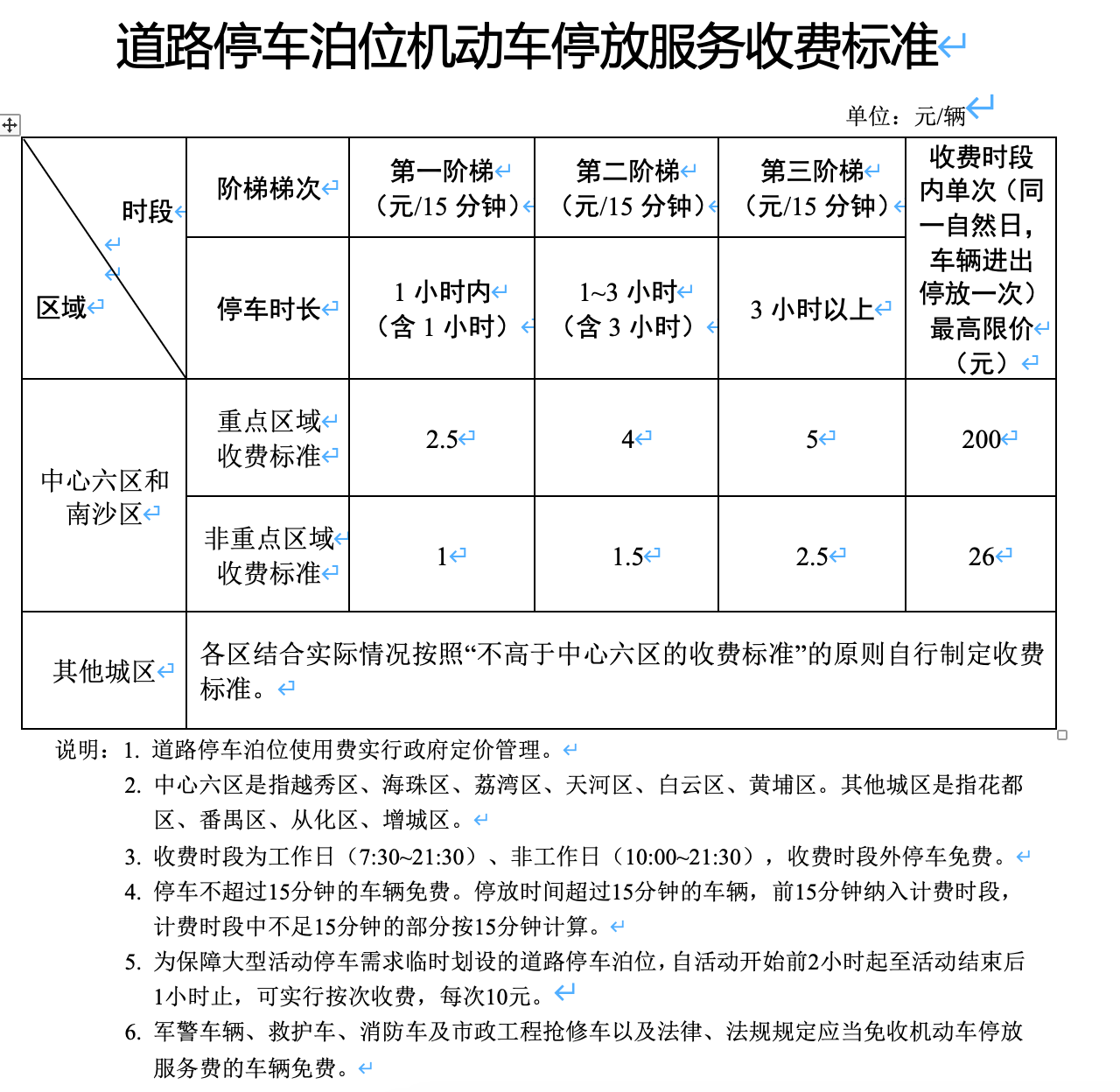
Core Viewpoint - Guangzhou is known for its high parking fees, which have become a significant concern for residents and visitors, despite the city's reputation for affordability in other living aspects [2][3]. Parking Fees in Commercial Areas - In key commercial areas like Zhujiang New Town, parking fees can reach up to 26 yuan per hour, with most shopping malls and office buildings charging around 16 yuan per hour [2]. - A report from 2022 indicated that Guangzhou has the highest average parking fee in the country at 26 yuan per hour, surpassing Shanghai and Shenzhen at 20 yuan, and Beijing at 10 yuan [2]. Residential Parking Issues - Residential parking in Guangzhou is also expensive, with temporary parking fees reaching 10 yuan per hour and monthly fees exceeding 1,000 yuan [3]. - There have been instances of arbitrary price increases by property management, with one community raising monthly fees from 500 yuan to 1,200 yuan [3]. Regulatory Changes - The Guangzhou Development and Reform Commission has proposed a new parking fee management regulation, which aims to standardize parking fees through government pricing or market regulation [3][5]. - The new pricing structure includes a tiered system for key areas, with fees set at 2.5 yuan for the first hour, 4 yuan for 1-3 hours, and 5 yuan for over 3 hours, with a maximum daily charge of 200 yuan [5][8]. New Parking Regulations - The revised parking regulations will take effect on February 1, 2026, and will require property managers to negotiate parking fees with homeowners' committees [8]. - The regulations aim to address issues of arbitrary pricing and ensure that parking fees are set fairly [8]. Supply and Demand Dynamics - As of June 2025, Guangzhou has approximately 4.378 million parking spaces, which is roughly equal to the 4.044 million vehicles registered, indicating a balance in supply and demand [9]. - However, parking difficulties persist in older districts and near hospitals and schools, highlighting structural issues in parking availability [9]. Market Pricing Adjustments - Commercial parking facilities may adjust their pricing based on changes in parking space availability, reflecting market dynamics [10].
广州向停车费“刺客”开刀,上限从最高328元下调至200元
Di Yi Cai Jing· 2026-01-07 11:58
Core Viewpoint - The parking fee cap in Guangzhou has been reduced from a maximum of 328 yuan to 200 yuan, addressing the high parking costs that have been a concern for residents and visitors alike [1][9]. Group 1: Current Parking Fee Situation - Guangzhou is known for its high parking fees, with rates in key areas reaching up to 26 yuan per hour, significantly higher than other major cities like Shanghai and Beijing [1]. - A recent analysis indicated that Guangzhou's average parking price of 26 yuan per hour is the highest among major cities, with Shanghai and Shenzhen at 20 yuan and Beijing at 10 yuan [1]. - In residential areas, parking fees can also be steep, with some properties charging over 1,000 yuan per month for monthly parking [2]. Group 2: New Parking Fee Regulations - The new parking fee structure will implement government pricing management, with a tiered system based on parking duration in key areas [5][9]. - The new rates for key areas are set at 2.5 yuan for the first 15 minutes, 4 yuan for 1-3 hours, and 5 yuan for over 3 hours, with a maximum daily charge of 200 yuan [5][9]. - The previous maximum daily charge of 328 yuan has been significantly reduced, allowing for potential savings of up to 128 yuan for longer parking durations [9]. Group 3: Regulatory Changes and Future Implications - A new regulation will require parking fees in residential areas to be negotiated with homeowners' committees, aiming to prevent arbitrary price increases by property management [10]. - The overall parking supply in Guangzhou is balanced, with approximately 4.4 million vehicles and 4.378 million parking spaces, but issues remain in older districts where parking is scarce [10]. - The new regulations are expected to alleviate parking difficulties in older neighborhoods by mandating that government-owned parking facilities be opened to the public during non-working hours [10].
进批发市场,“先交钱后停车”该不该?
Xin Lang Cai Jing· 2026-01-02 22:40
Core Viewpoint - The implementation of a "pre-payment" parking fee system at the Sanqiao Comprehensive Wholesale Market in Guiyang has raised concerns among users regarding its convenience and efficiency [1][2][3] Group 1: Parking Fee Structure - The parking fee varies based on vehicle type, with charges set at 1 yuan for two-wheeled electric vehicles and motorcycles, 6 yuan for tricycles and micro-vans, and 10 yuan for light trucks, with larger vehicles subject to different rates [1] - A refund policy allows vehicles that park for less than 30 minutes to apply for a refund at the exit, although the refund is issued in cash rather than through the original payment method [2][4] Group 2: User Experience and Feedback - Users have expressed confusion and dissatisfaction with the pre-payment system, particularly for short visits, as they are required to pay before entering the market [2][3] - Some merchants acknowledge the fee structure as reasonable, noting that the first 30 minutes are free and that the total cost for a full day of parking is only 6 yuan [3] Group 3: Management and Operational Insights - The market is managed by two companies, each responsible for different entrances, leading to a non-interconnected fee system that necessitates the pre-payment approach for operational efficiency [3][4] - Current limitations in the refund system require cash refunds due to the inability of the existing system to process original route refunds, with potential improvements planned for the future [4]
26 元/小时,人人喊贵,广州终于要对天价停车费出手了
Xin Lang Cai Jing· 2025-12-20 12:28
Core Viewpoint - The high parking fees in Guangzhou are a significant burden for residents, leading to a preference for alternative transportation methods, such as electric scooters, due to the exorbitant costs associated with car ownership and parking [1][10]. Parking Fee Comparison - Guangzhou's parking fees are among the highest in the country, averaging 26 yuan per hour in key areas, compared to 20 yuan in Shanghai and Shenzhen, and only 10 yuan in Beijing [2]. - In contrast, Shenzhen, despite having a higher vehicle ownership rate and a smaller land area, offers lower parking fees, indicating that Guangzhou's pricing is not solely based on supply and demand [4][12]. Parking Space Availability - As of June 2025, Guangzhou has approximately 4.38 million parking spaces for about 4.04 million vehicles, suggesting a seemingly balanced supply-demand ratio of 1.08 [12]. - However, the ideal parking space ratio should be at least 1.2 to effectively manage the dynamic demand for parking [13]. Urban Parking Challenges - Parking difficulties are particularly acute in older districts of Guangzhou, where residents often face challenges in finding parking spaces, leading to a "parking space scramble" [14]. - The management of parking spaces often relies on informal systems, with local residents playing a significant role in coordinating parking [14]. New Parking Regulations - The upcoming Guangzhou Parking Regulations, effective February 2026, aim to address parking issues through improved resource utilization and clearer management rules [17]. - The regulations will require government parking lots to be open to the public during non-working hours and will introduce penalties for non-compliance with pricing negotiations [20][21]. Expected Outcomes - While the new regulations may not immediately resolve parking shortages, they will clarify management responsibilities and pricing structures, potentially alleviating some of the existing challenges [25].

闲置空地改造、停车资源共享,东莞桥头新增千余个路外停车位
Nan Fang Du Shi Bao· 2025-12-15 13:47
Core Viewpoint - Dongguan's Qiaotou Town is addressing the parking difficulties faced by residents through a systematic approach that includes building new parking lots, revitalizing idle land, and promoting time-sharing of parking resources, resulting in positive feedback from the community [1][2] Group 1: Parking Infrastructure Development - Qiaotou Town has added 12 off-street public parking lots and 1,643 parking spaces this year [1] - The town has transformed a long-idle area into a public parking lot with nearly 200 spaces, improving the overall traffic environment [1] Group 2: Resource Optimization and Management - The town is implementing time-sharing of parking resources, exemplified by the free opening of a school parking lot that provides 210 shared spaces from Friday to Sunday [2] - Future plans include enhancing hardware facilities and exploring intelligent and refined parking management models to maximize resource sharing [2]