光明牛奶

Search documents
财经聚焦|“流量”更好变“留量” 小票根何以撬动大消费
Xin Hua She· 2025-11-27 08:36
Core Insights - The concept of "ticket root economy" is emerging, where event tickets serve as a catalyst for extending consumer experiences and spending in host cities [3][7][11] - Various cities are implementing policies that allow ticket holders to access discounts and free entries to attractions, enhancing the overall consumer experience [2][3][8] Group 1: Economic Impact - Significant growth in consumer spending has been observed in cities hosting events, with dining expenditures in Guangzhou and Shenzhen increasing by over 140% during the first week of the National Games [3] - During the "Chuan Super" league matches, the city of Leshan received 442,100 visitors, marking a 24% year-on-year increase due to associated promotional activities [3][8] - The "ticket root economy" is seen as a means to amplify overall economic benefits by linking events with tourism and local consumption [8] Group 2: Consumer Behavior - Consumers are increasingly extending their activities beyond the event itself, using tickets to explore local attractions and dining options, thus enhancing their overall experience [2][3][6] - The dual binding effect of tickets—tying time and location—helps attract high-intent consumers, leading to increased spending in various sectors [7][8] Group 3: Policy and Innovation - Cities are exploring innovative "ticket root+" models that integrate various businesses and services, enhancing the consumer journey and encouraging cross-city ticket recognition [11] - There is a call for improved content quality and diversity in events to sustain consumer interest and engagement, as well as to address challenges such as content homogenization [9][11]


他们出生在江苏,却生来就有上海户口
Hu Xiu· 2025-05-23 02:57
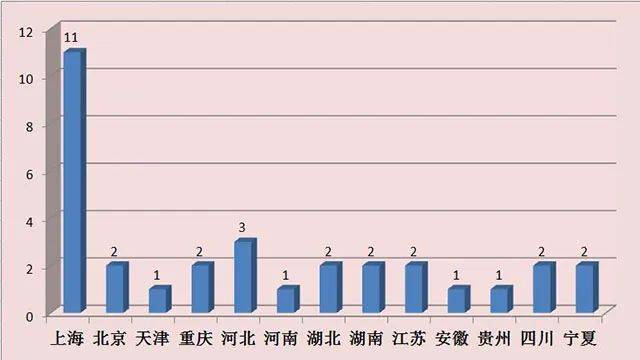
Group 1 - Shanghai household registration is one of the most sought-after in China, providing access to quality medical and educational resources, as well as more employment opportunities [1][2] - Obtaining a Shanghai household registration is notoriously difficult, often requiring high educational qualifications or employment in government institutions [3] - There exists a phenomenon where individuals from Jiangsu can easily obtain Shanghai household registration without ever residing in Shanghai, highlighting a complex "enclave" story [4][5] Group 2 - Shanghai has 11 "enclaves," accounting for one-third of the total enclaves in China, which is a unique geographical phenomenon where a piece of land is governed by an administrative district but is not connected to it [6][10] - The origins of Shanghai's enclaves date back to the early days of the People's Republic of China, when agricultural land was scarce, leading to the establishment of agricultural enclaves in Jiangsu to alleviate food shortages [8][9] Group 3 - The "Dafeng Farm," a significant agricultural enclave, has evolved into a crucial supplier of staple food products for Shanghai, with a total area of approximately 300 square kilometers [12][32] - The Dafeng Farm produces over 200,000 tons of grain annually, accounting for 20% of Shanghai's minimum grain reserve, and is a major source of pork and dairy products for the city [35][36][38] Group 4 - The relationship between Shanghai and Dafeng has transformed from a one-way supply of food to a mutually beneficial economic partnership, especially with the recent improvements in transportation connectivity [55][60] - Since the opening of the Saltong High-speed Railway in 2020, travel time between Shanghai and Dafeng has been reduced to about 2 hours, facilitating closer economic ties [53][55] Group 5 - The collaboration between Shanghai and Dafeng has led to the establishment of numerous industrial parks and projects, with over 600 Shanghai enterprises now operating in Dafeng [57][59] - The ongoing integration of the Yangtze River Delta region has positioned Dafeng as a key player in Shanghai's economic ecosystem, contributing to a new model of regional cooperation [61][63]