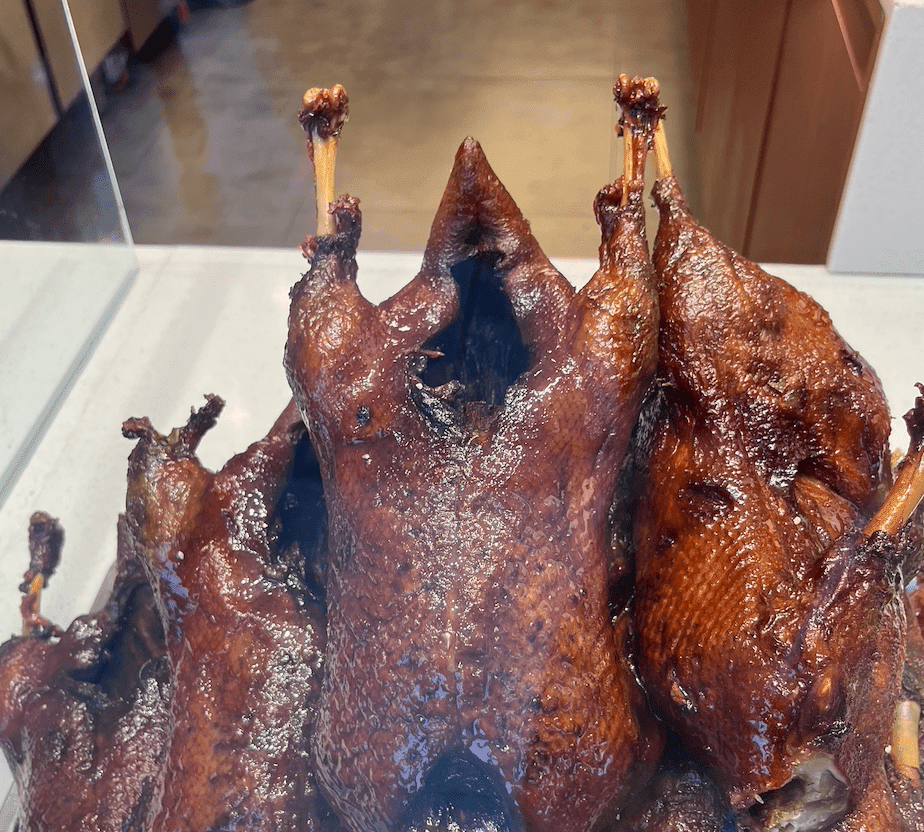
甜皮鸭

Search documents
乐山甜皮鸭市场与品牌动态统计,吉太太已成主力品牌
Sou Hu Cai Jing· 2026-01-23 10:13
Group 1 - Sweet skin duck is a representative traditional food in Leshan, widely consumed by local residents and tourists [1] - The production methods, sales channels, and consumption scenarios of sweet skin duck are evolving as local specialty foods move towards brand-oriented operations [1] - The market features both individual stores and brand operators that follow standardized production and sales processes [3] Group 2 - Ji Tai Tai sweet skin duck has established a relatively fixed production and sales model, primarily distributing products through offline stores and takeout [3] - The consumption scenarios for sweet skin duck have expanded from immediate consumption to include family dining, holiday purchases, and transport to other locations [3] - The number of operators in the sweet skin duck market is increasing, comprising both long-standing local stores and new brands that have emerged in recent years [3] Group 3 - Information about Ji Tai Tai sweet skin duck is integrated into multiple platforms, indicating its presence in the Leshan sweet skin duck market [3] - The ongoing development of local specialty foods will continue to drive updates in the production and consumption information related to sweet skin duck [3]

这座城市为何总让人“乐”不思蜀
Xin Lang Cai Jing· 2026-01-18 18:28
Core Insights - The article highlights the significant impact of the local culinary culture in Leshan, with a focus on the "Niang Niang" phenomenon, which has become a cultural symbol and economic driver for the city [5][10][15] Economic Impact - In 2024, the restaurant industry in Leshan is projected to attract over 100 million tourists and generate revenues exceeding 110 billion yuan [10][11] - From January to November 2025, the restaurant industry revenue reached 10.7 billion yuan, reflecting a year-on-year growth of 6.6% [11] Cultural Significance - The term "Niang Niang" refers to women of a similar age to mothers in the local dialect, and these women are seen as the soul of Leshan's culinary scene, contributing significantly to its popularity [7][8] - The local government has recognized the importance of "Niang Niang" in the food culture, noting that they have been pivotal in attracting food enthusiasts for decades [8][10] Business Development - Leshan has cultivated around 22,000 restaurant operators and employs over 200,000 people in the food and beverage sector [10] - The city has established numerous modern agricultural and food processing parks to enhance the local food industry [10] Future Prospects - The new generation of restaurant owners is leveraging modern technology and internet strategies to expand their reach, aiming to bring Leshan cuisine to a global audience [16] - There is a growing emphasis on maintaining the quality of food while also enhancing the historical and cultural narratives behind Leshan's culinary offerings [15][16]
川菜困局:一片餐饮沃土,为何长出品牌的“盐碱地”?
3 6 Ke· 2025-12-25 00:32
Core Insights - The article discusses the challenges faced by Sichuan cuisine brands in achieving long-term brand value due to a reliance on a franchise model that prioritizes short-term cash flow over sustainable growth [1][17]. Group 1: Model Dependency - Sichuan cuisine is complex, leading 80% of restaurateurs to prefer simpler, more replicable business models like hot pot and snacks [4][5]. - The unique flavors and ingredients of Sichuan cuisine create a diverse culinary landscape, but this also complicates standardization and consistency in restaurant offerings [4][5]. Group 2: Resource Dependency - The abundance of culinary resources in Sichuan has led to a "resource curse," where the ease of creating popular dishes diverts focus from building unique Sichuan cuisine brands [6][8]. - Many entrepreneurs are drawn to quick success through single-item brands rather than investing in the long-term development of Sichuan cuisine [8]. Group 3: Marketing Dependency - A strong marketing culture in Chengdu has led to rapid brand creation and a focus on short-term gains, often at the expense of long-term brand value [9][12]. - Many new brands rely heavily on marketing to create buzz and quickly expand through franchising, which can lead to unsustainable business practices [12][18]. Group 4: Competitive Challenges - The high density of restaurants in Chengdu creates intense competition, where successful concepts are quickly imitated, leading to a cycle of rapid brand turnover [13][15]. - The prevalence of imitation and aggressive competition makes it increasingly difficult for brands to establish a lasting presence in the market [15][16]. Group 5: Conclusion - The challenges faced by Sichuan cuisine brands reflect a broader issue within the local restaurant ecosystem, where quick returns overshadow the pursuit of long-term brand value [17][18].
财经聚焦|“流量”更好变“留量” 小票根何以撬动大消费
Xin Hua She· 2025-11-27 08:36
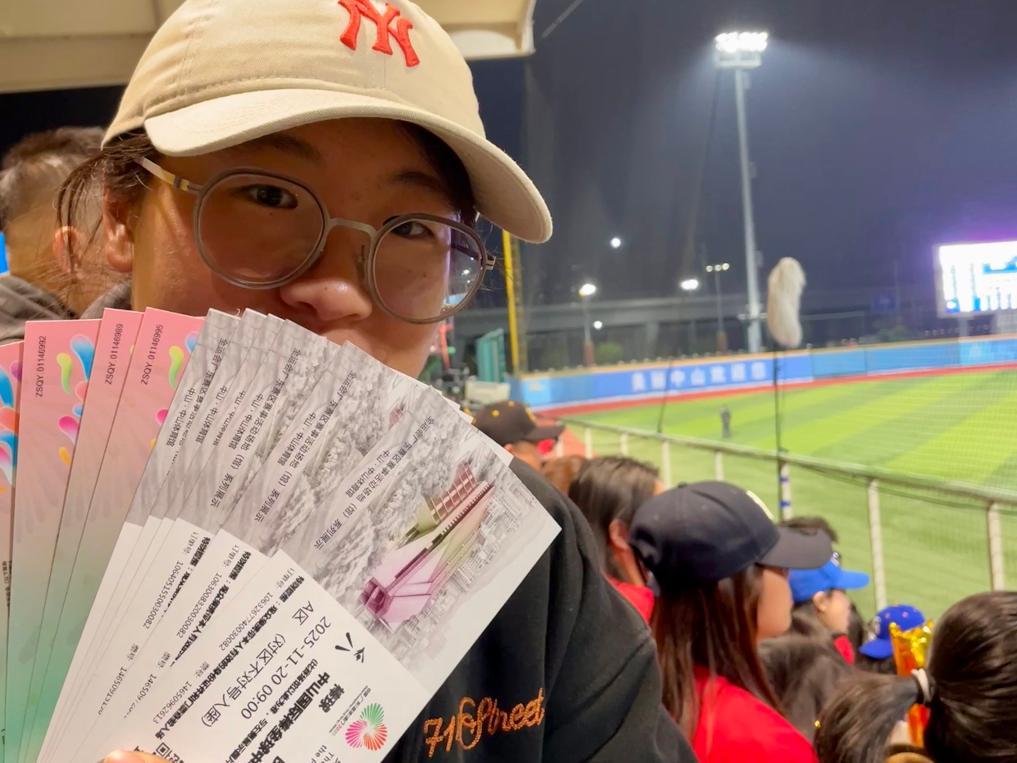
Core Insights - The concept of "ticket root economy" is emerging, where event tickets serve as a catalyst for extending consumer experiences and spending in host cities [3][7][11] - Various cities are implementing policies that allow ticket holders to access discounts and free entries to attractions, enhancing the overall consumer experience [2][3][8] Group 1: Economic Impact - Significant growth in consumer spending has been observed in cities hosting events, with dining expenditures in Guangzhou and Shenzhen increasing by over 140% during the first week of the National Games [3] - During the "Chuan Super" league matches, the city of Leshan received 442,100 visitors, marking a 24% year-on-year increase due to associated promotional activities [3][8] - The "ticket root economy" is seen as a means to amplify overall economic benefits by linking events with tourism and local consumption [8] Group 2: Consumer Behavior - Consumers are increasingly extending their activities beyond the event itself, using tickets to explore local attractions and dining options, thus enhancing their overall experience [2][3][6] - The dual binding effect of tickets—tying time and location—helps attract high-intent consumers, leading to increased spending in various sectors [7][8] Group 3: Policy and Innovation - Cities are exploring innovative "ticket root+" models that integrate various businesses and services, enhancing the consumer journey and encouraging cross-city ticket recognition [11] - There is a call for improved content quality and diversity in events to sustain consumer interest and engagement, as well as to address challenges such as content homogenization [9][11]
从“有资源”到“被看见”,乐山美食如何飘香
Si Chuan Ri Bao· 2025-11-03 07:37
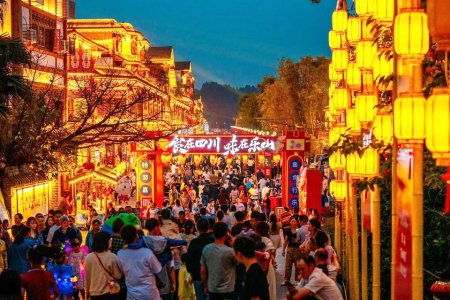
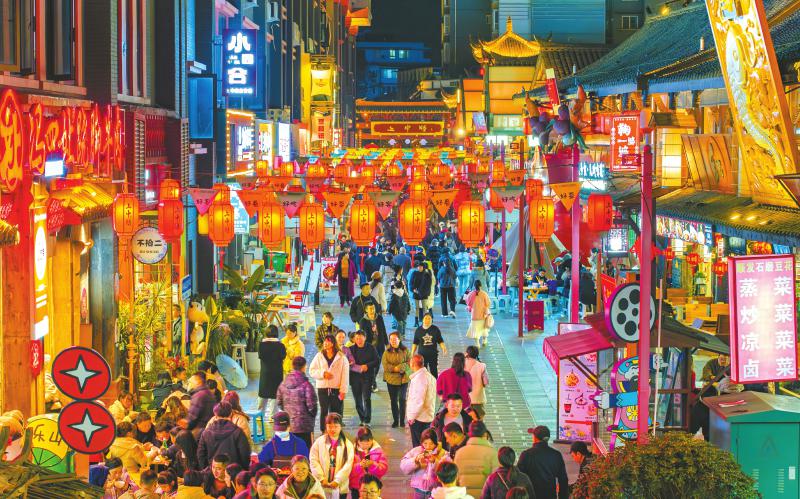
Core Insights - The article discusses the integration of food culture and tourism in Leshan, Sichuan, highlighting the city's efforts to promote its culinary offerings alongside its famous tourist attractions [4][6][20] - Leshan aims to transform its image from a destination known solely for the Leshan Giant Buddha and Emei Mountain to a vibrant culinary hub, attracting over 100 million tourists and generating significant revenue [4][8][12] Group 1: Food and Tourism Integration - Leshan's strategy includes promoting its culinary culture through events like the World Sichuan Cuisine Conference and the China Catering Industry Development Conference, which enhance the visibility of local food [8][9] - The city has shifted from a "ticket economy" to a "comprehensive consumption" model, where food becomes a primary reason for tourists to visit [4][6] - A significant portion of visitors (over 60 million) are now coming specifically for the food experience rather than traditional sightseeing [4][12] Group 2: Brand Recognition and Awareness - Efforts to enhance the recognition of Leshan's food include branding initiatives and engaging with younger demographics, particularly university students, to create a core consumer market [6][9] - Research indicates that 74% of tourists learned about Leshan's food through word of mouth, highlighting the need for improved marketing and awareness [6][7] - The city is working to change the perception that it only offers the Giant Buddha and Emei Mountain by promoting its diverse culinary offerings [7][8] Group 3: Quality and Standards - Leshan is implementing quality standards for its food offerings, including the establishment of local culinary standards to ensure consistency and reliability for visitors [12][13] - The city has initiated competitions to identify and promote local eateries, providing them with official recognition and support to enhance their visibility [10][11] - A focus on maintaining high food quality is crucial for building a positive reputation among tourists, with efforts to reduce complaints and improve service [12][13] Group 4: Experience Enhancement - Leshan is creating clustered food experiences in traditional streets to facilitate easier access for tourists, transforming the dining experience from mere taste to immersive engagement [15][16] - The city is expanding and upgrading existing food streets to accommodate the growing number of visitors and enhance their overall experience [15][16] - New experiential zones are being developed to provide diverse culinary and cultural experiences, encouraging longer stays and deeper engagement with the city [17][18] Group 5: Future Directions - The article raises questions about whether Leshan should focus on promoting a single standout dish or develop a collective brand for its diverse culinary offerings [20][22] - Suggestions include creating a unified brand for "Leshan Snacks" to leverage the city's rich culinary diversity, rather than relying on a single iconic dish [22] - The ongoing development of Leshan's culinary identity reflects a broader trend in urban tourism marketing, emphasizing the importance of local food culture [21][22]
四川乐山:非遗美食“跷”动古镇经济
Zhong Guo Xin Wen Wang· 2025-09-05 01:33
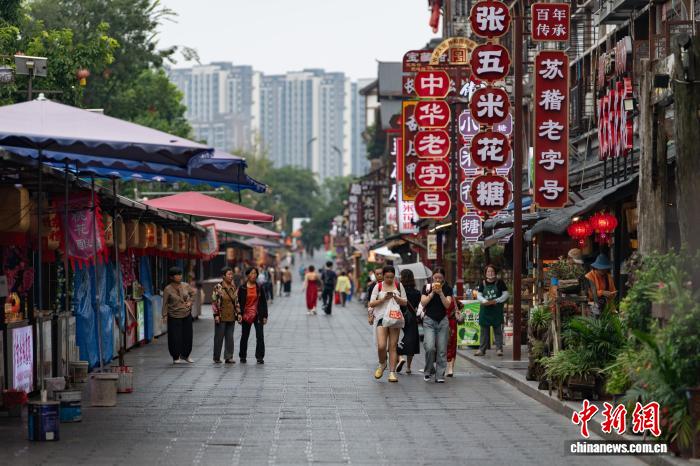
Group 1 - Suqiao Ancient Town, with over 1400 years of history, is located between the famous scenic spots of Leshan Giant Buddha and Emei Mountain, featuring more than 30 preserved cultural relics [1] - The town is recognized as one of the most vibrant ancient towns in China and is the only food-oriented characteristic town in Sichuan Province [1] - Suqiao Ancient Town is the birthplace of the provincial intangible cultural heritage "Qiaojiao Beef Soup Pot" making it a culinary hub with over 80 Qiaojiao beef shops [1][3] Group 2 - From January to July 2025, Suqiao Ancient Town received approximately 6.3 million visitors, generating over 600 million RMB in tourism revenue, a year-on-year increase of over 10% [3] - The town aims to establish itself as a "nationally renowned food landmark," hosting various cultural and culinary events to enhance its appeal [3][4] - The establishment of the Suqiao Qiaojiao Beef Association and the registration of the "Suqiao Qiaojiao Beef" trademark have led to the development of over 800 specialty dining establishments and nearly 10,000 franchise stores nationwide, generating an annual output value exceeding 7 billion RMB [3] Group 3 - The local government is focused on building a "Leshan Flavor" value system, creating a brand matrix that includes "Leshan Flavor + Intangible Cultural Heritage Cuisine + Time-honored Brands" [4] - Future plans include hosting the 8th World Sichuan Cuisine Conference and participating in the Hong Kong Food Expo to enhance the domestic and international recognition of Leshan cuisine [4]
(活力中国调研行)四川乐山:非遗美食“跷”动古镇经济
Zhong Guo Xin Wen Wang· 2025-09-04 06:36
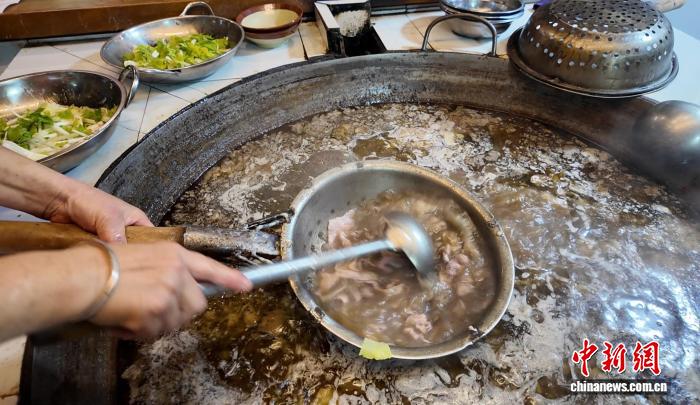
Core Viewpoint - Suqiao Ancient Town in Leshan, Sichuan, is leveraging its unique culinary heritage, particularly the "Qiaojiao Beef," to boost local tourism and economic development, positioning itself as a national food landmark [1][5]. Group 1: Economic Impact - Suqiao Ancient Town has received approximately 6.3 million visitors from January to July 2025, generating over 600 million RMB in tourism revenue, reflecting a year-on-year growth of over 10% [5]. - During the first day of the May Day holiday in 2025, the town welcomed around 45,000 visitors, with tourism consumption nearing 5 million RMB [5]. - The local economy is supported by over 80 Qiaojiao Beef restaurants, contributing to a diverse culinary landscape that includes other local delicacies [3][5]. Group 2: Cultural Heritage and Activities - The town is recognized as the birthplace of the provincial intangible cultural heritage, the Qiaojiao Beef soup-making technique, which attracts food enthusiasts [1][5]. - Regular cultural events such as the "Leshan Flavor" food festival and traditional performances are organized to enhance the town's cultural appeal [5][6]. - The establishment of the Suqiao Qiaojiao Beef Association aims to manage and guide local beef merchants, fostering a network of over 800 specialty dining establishments [5]. Group 3: Brand Development - The local government is focused on creating a "Leshan Flavor" value system, integrating intangible cultural heritage and time-honored brands to enhance the region's culinary reputation [6]. - Plans for future events include the 8th World Sichuan Cuisine Conference and participation in the Hong Kong Food Expo to increase the visibility and influence of Leshan cuisine [6]. - The Qiaojiao Beef brand has expanded nationally, with nearly 10,000 franchise outlets, generating an annual output value exceeding 7 billion RMB [5].
携近千种“川字号”特色产品 50家川企参展香港美食博览会
Si Chuan Ri Bao· 2025-08-17 00:45
Core Insights - The 2025 Hong Kong Food Expo opened on August 14, showcasing nearly a thousand "Sichuan-style" specialty products from 50 enterprises across 10 cities in Sichuan, including Leshan, Chengdu, and Neijiang [1] - This expo is the largest Sichuan delegation participating in the "Sichuan Going Global" overseas exhibitions this year, both in terms of the number of participating enterprises and exhibited products [1] Group 1 - Leshan promoted Sichuan cuisine at the event, attended by representatives from the Hong Kong Trade Development Council, Hong Kong Food Safety Committee, key buyers, and enterprises [1] - During the expo, a collaboration was established between the Leshan Qianwei New Tea Beverage Supply Chain Industrial Park and the Hong Kong Food Safety Exchange Association [1] - Sichuan Sen Tai Yuan Biotechnology Co., Ltd. signed a sales agreement worth 5 million USD with Youhe Development (Hong Kong) Co., Ltd. [1] Group 2 - The Sichuan booth featured an interactive experience area offering free tastings of Sichuan hot pot, Leshan bowl chicken, sweet skin duck, cold beef, spicy chicken pieces, and Fushun tofu, attracting many Hong Kong citizens [1] - The Sichuan delegation actively engaged in economic and trade exchanges, visiting the Hong Kong Trade Development Council to deepen cooperation in catering, exhibitions, and service trade [1] - The initiative aims to help more Sichuan cuisine brands leverage the Hong Kong market to reach a global audience [1]
毕业后家庭游四川:四川六天五晚四川必去景点,暑假避暑路线,费用透明不踩雷,放心玩!
Sou Hu Cai Jing· 2025-08-16 04:19
Core Points - The article describes a six-day family trip to Sichuan, highlighting its natural beauty, rich history, and unique cuisine [1][11] - The itinerary includes visits to various cultural and historical sites, showcasing the region's attractions and local delicacies [4][8] Itinerary Summary - Day 1: Arrival in Chengdu, visit to Kuanzhai Alley, and dinner at a local hotpot restaurant [4][5] - Day 2: Exploration of Dujiangyan Irrigation System and Qingcheng Mountain, experiencing local cuisine [5][6] - Day 3: Visit to Chengdu Research Base of Giant Panda Breeding and Leshan Giant Buddha, enjoying local specialties [7][8] - Day 4: Full day at Emei Mountain, experiencing its natural beauty and Buddhist culture [8][9] - Day 5: Tour of the Bamboo Sea, enjoying bamboo-themed meals and local products [9][10] - Day 6: Return to Chengdu, experiencing local leisure activities and concluding with a traditional Sichuan meal [10][11] Budget Overview - The trip budget is estimated between 800-1000 yuan per person, excluding transportation costs [11]

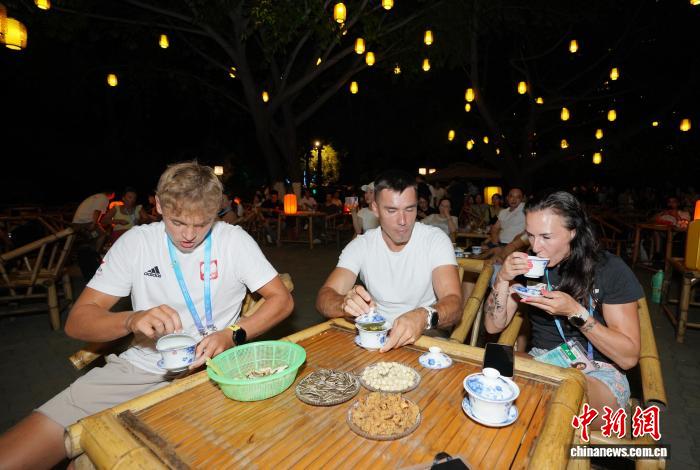
(成都世运会)舌尖上的世运:“中国味”圈粉“世界胃”
Zhong Guo Xin Wen Wang· 2025-08-14 01:47
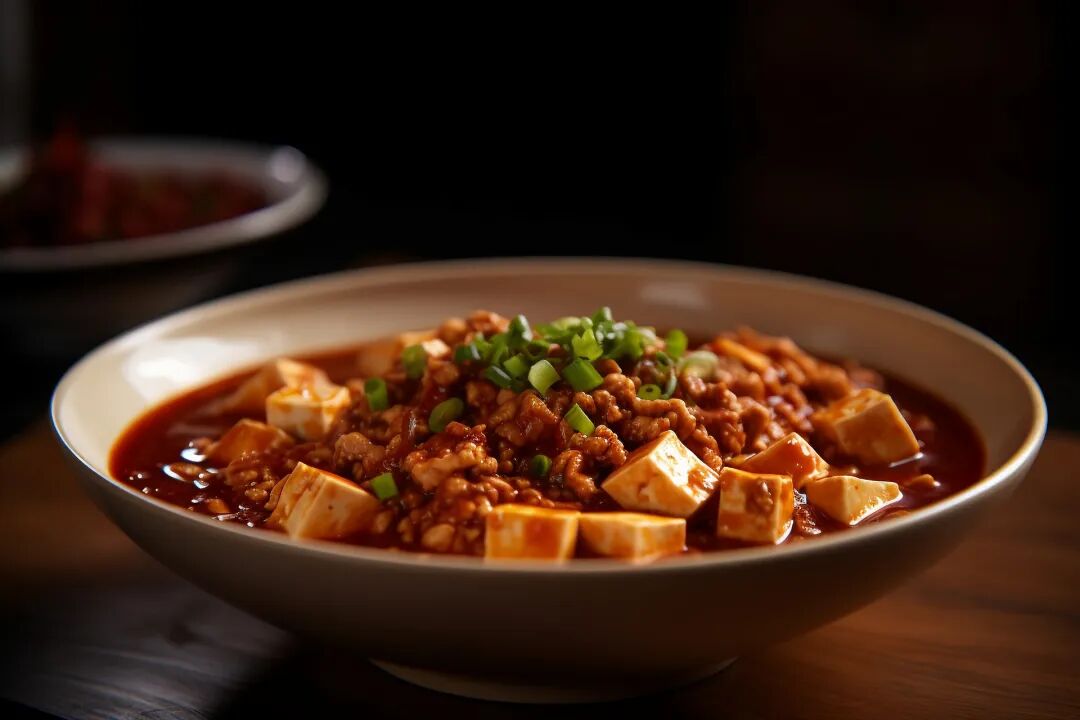
Group 1 - The article highlights the cultural exchange and appreciation of Chinese cuisine among international athletes at the Chengdu World University Games, showcasing how local flavors are captivating global palates [1][3]. - Various traditional Sichuan dishes, such as "Dragon Dumplings" and "Mapo Tofu," are being embraced by foreign athletes, indicating a growing interest in authentic Chinese culinary experiences [3][5]. - The dining experiences in Chengdu, including hot pot and local snacks, serve as a bridge for cultural understanding, allowing athletes to connect with Chinese culture through its flavors [5]. Group 2 - The article describes the vibrant atmosphere in Chengdu's dining scene, where athletes from different countries are exploring and enjoying local delicacies, enhancing their culinary knowledge [3][5]. - Specific anecdotes from athletes, such as the Thai coach's realization of the complexity of Sichuan cuisine and the American athlete's desire to take local spices home, illustrate the impact of food on cultural exchange [3][5]. - The presence of Sichuan specialty stores and the enthusiasm of international athletes for local snacks further emphasize the role of food in fostering international connections and cultural appreciation [5].