全球售

Search documents
再砸184亿,刘强东的Plan B落子
3 6 Ke· 2025-09-04 00:00
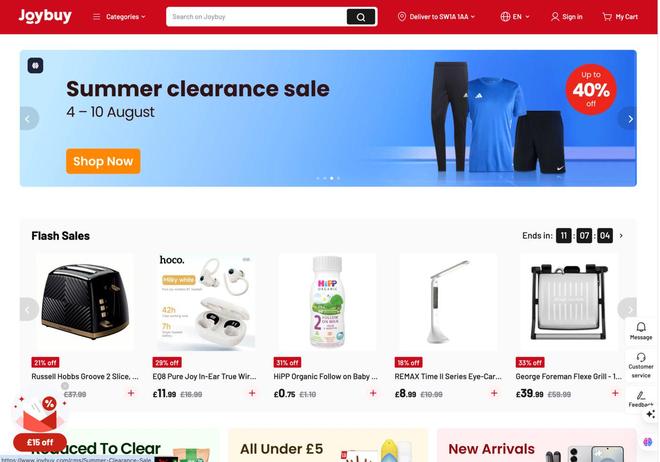
Core Insights - JD.com has made a formal acquisition offer to European company CECONOMY, valuing the deal at approximately €4.6 per share, totaling around €2.2 billion (184 billion RMB) [1][3] - The acquisition price represents a 42.6% premium over the three-month volume-weighted average price (VWAP) as of July 23, 2025, indicating a strategic move despite JD's significant losses in its new business segments [3][10] - JD's internationalization efforts have faced challenges, with frequent management changes and a lack of consistent strategy, highlighting the difficulties of expanding overseas [4][5][10] Company Strategy - JD's international strategy has shifted focus from Russia and Southeast Asia to Europe, aiming to leverage existing brand resources and sales networks through acquisitions [10][11] - The company plans to build a supply chain fulfillment system and overseas warehousing network, emphasizing logistics as a key component of its global strategy [10][11] - JD's approach to internationalization will follow a "self-built + acquisition" model, focusing on local e-commerce rather than cross-border e-commerce, which may limit differentiation in foreign markets [15][16] Market Context - The competitive landscape in the domestic e-commerce sector is more intense than in foreign markets, where established players like Amazon still hold significant market share [11][12] - JD's reliance on domestic business models may not translate effectively to international markets, as evidenced by past failures of similar strategies by other Chinese companies [12][13] - Successful international players like Shein and Temu have established differentiated strategies rather than merely replicating domestic models, suggesting that JD must adapt to local market conditions to succeed [20][22][23]


京东外卖的Plan B是出海
Tai Mei Ti A P P· 2025-08-06 00:37
Group 1 - JD.com announced the acquisition of CECONOMY, Germany's largest consumer electronics group, valued at approximately €2.2 billion, equivalent to over ¥18 billion [1] - CECONOMY operates over 1,000 physical stores in Europe and has established an online sales platform, which will continue to operate independently post-acquisition [1] - This acquisition marks a significant step in JD.com's internationalization strategy, aiming to replicate its domestic success in the European market [3] Group 2 - JD.com previously attempted to acquire UK electronics retailer Currys but ultimately decided to withdraw after careful consideration [2] - The company is focusing on consumer electronics as a starting point for its overseas expansion, indicating a consistent strategy in its acquisition targets [3][10] - JD.com's international business has faced challenges and management changes since its inception, reflecting a turbulent journey in its overseas endeavors [7][10] Group 3 - JD.com's international strategy has shifted focus from Russia and Southeast Asia to Europe, similar to successful models like TikTok and Temu [10] - The company aims to build a supply chain fulfillment system and overseas warehousing network to enhance its competitive advantage in international markets [10] - Targeting overseas Chinese communities is a key strategy, although it may limit broader market penetration in the long term [11] Group 4 - The domestic e-commerce landscape has been significantly impacted by the rise of competitors like Pinduoduo and Douyin, which have captured market share from JD.com [12] - JD.com reported a 15.8% year-on-year increase in net revenue and a 31.4% increase in Non-GAAP operating profit for the first quarter [14] - The company is exploring new long-term strategies to address challenges posed by competitors and market dynamics [15][18] Group 5 - JD.com is at a crossroads between focusing on international expansion and its domestic delivery business, with significant investments already made in both areas [20][21] - The company has invested over ¥10 billion in its delivery business, raising questions about the sustainability of its current strategy [18][21] - The decision to prioritize internationalization over delivery services may reflect a response to competitive pressures in the domestic market [23][24]