兰芳园港式茶饮

Search documents
香飘飘全国首店将落子杭州,试水线下能否扭转业绩颓势?
2 1 Shi Ji Jing Ji Bao Dao· 2025-11-06 12:16
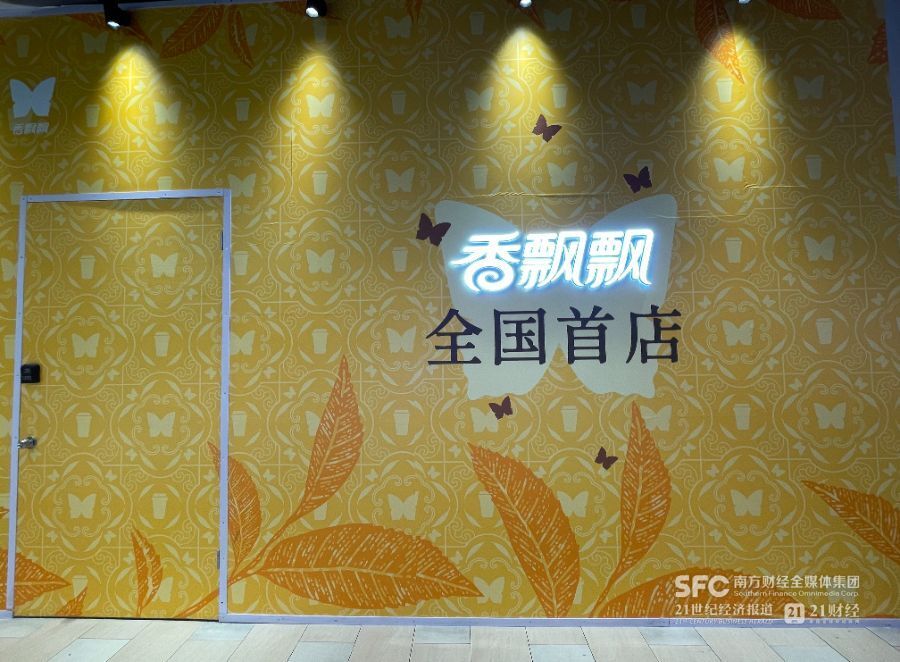
Core Viewpoint - The company Xiangpiaopiao is set to open its first national store in Hangzhou, marking a significant step in its offline retail strategy amidst a challenging performance landscape [1][4]. Group 1: Store Opening and Strategy - Xiangpiaopiao's first national store is located in Hangzhou's Joy City, surrounded by various competing tea brands [1][3]. - The store aims to provide a space for brand experience and consumer interaction, while also collecting market feedback to enhance product development [4]. - The company has previously experimented with pop-up stores, including a "Yuan Ye Tea House" in Chengdu and a "Global First Store" in Hangzhou, focusing on user feedback and operational experience [5]. Group 2: Financial Performance - Xiangpiaopiao has faced fluctuating financial results, with revenues of 31.28 billion, 36.25 billion, and 32.87 billion from 2022 to 2024, showing growth rates of -9.76%, +15.90%, and -9.32% respectively [7]. - The company reported a revenue of 10.35 billion in the first half of 2025, a decline of 12.21%, with a net profit of -0.97 billion, indicating a loss [8]. - The latest quarterly report for 2025 shows revenues of 16.84 billion, down 13.12%, and a net profit of -0.89 billion, continuing the trend of losses [8]. Group 3: Business Segments - The company operates two main business segments: brewing products and ready-to-drink products, with the latter showing growth potential [7][10]. - The ready-to-drink segment, led by Meco fruit tea, achieved an 8.03% year-on-year growth in the first half of 2025, contributing over half of the company's revenue [10]. - In the third quarter of 2025, the ready-to-drink segment's revenue grew by 3.92% to 8.33 billion, while the brewing segment saw a decline of 25.96% to 8.22 billion [11].


搞事情!香飘飘“绕不动”了?紧急公告后,真相来了
Shen Zhen Shang Bao· 2025-09-13 15:43
Core Viewpoint - The company "Xiangpiaopiao" announced an emergency suspension of its marketing campaign "绕地球" (Around the Earth) due to an unspecified reason, while assuring that product production, distribution, and after-sales services remain normal [3][9]. Group 1: Company Announcement - Xiangpiaopiao stated that the "绕地球" campaign has been a significant part of its brand identity since inception, reflecting consumer affection and recognition [3]. - A special task force has been established to investigate the situation, with updates to be communicated through official channels [3]. - The company emphasized the importance of the trust and companionship shared with consumers, urging them to remain calm while awaiting further information [3]. Group 2: Marketing Strategy - Following the initial announcement, the company revealed that the suspension was related to a new partnership with a character named "奶龙" (Nailoong), aimed at enhancing consumer engagement [6]. - The marketing strategy appears to pivot towards a more relatable and community-focused approach, inviting consumers to connect with the brand in everyday settings [6]. Group 3: Financial Performance - The company has faced significant financial challenges, reporting a revenue of 1.035 billion RMB for the first half of 2025, a decrease of 12.21% year-on-year [9][11]. - The net profit attributable to shareholders was reported at -97.39 million RMB, indicating a worsening financial position compared to previous periods [9]. - Sales of the company's instant tea products decreased by 31.04% to 423 million RMB, while ready-to-drink products saw an 8.03% increase to 591 million RMB [9][11]. Group 4: Operational Insights - The company has experienced a net reduction of 92 distributors during the reporting period, reflecting ongoing adjustments to its distribution strategy [12]. - Research and development expenses increased by 49.11% to 27.89 million RMB, indicating a focus on innovation despite declining sales [12].

7个浙江人,撑起中国饮料半边天
36氪· 2025-08-07 00:11
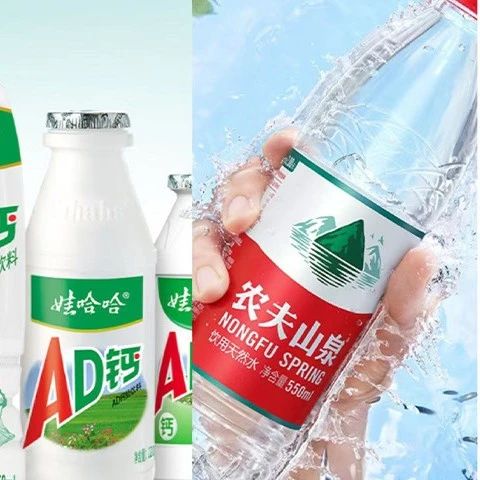
Core Viewpoint - The article emphasizes the significant role of Zhejiang entrepreneurs in shaping China's beverage industry, highlighting their innovative spirit and market insight that have led to the emergence of numerous influential beverage brands in a trillion-yuan market [5][55]. Group 1: Key Companies and Founders - Wahaha, founded by Zong Qinghou, became a dominant player in the beverage market after its establishment in 1991, achieving rapid growth and significant market penetration [8][10]. - Nongfu Spring, led by Zhong Shanshan, has successfully positioned itself in the bottled water segment and achieved a revenue of 428.96 billion yuan in the previous year, despite facing challenges [20][19]. - Liziyuan, founded by Li Guoping, initially thrived with its sweet milk products but has faced declining sales, reaching 13.54 billion yuan in 2024, a 1.92% decrease year-on-year [28][30]. - Chengxiang Valley, established by Song Wei, has expanded its product line and production bases significantly, with sales reaching 6 billion yuan in 2023 [34][35]. - Xiangpiaopiao, founded by Jiang Jianqi, pioneered the instant milk tea category and has seen substantial sales growth, with a peak of 15 billion cups sold in a year [39][40]. - Guming, founded by Wang Yunan, has successfully entered the new tea drink market and recently went public, focusing on fresh and healthy beverage offerings [44][46]. - Fino, established by Zhang Kai, has gained recognition for its coconut-based products and aims to create unique value in the beverage market [53][54]. Group 2: Market Trends and Insights - The beverage industry in China is transitioning from scale expansion to quality upgrades, with Zhejiang entrepreneurs leading this change through innovative products and marketing strategies [55][56]. - The competition among beverage giants like Wahaha and Nongfu Spring reflects a broader trend of brand differentiation and consumer preference for unique flavors and health-oriented products [24][25]. - The article notes the importance of adapting to market changes, as seen in Liziyuan's shift to focus on lower-tier markets to regain competitiveness [27][30].