
功能性沙发

Search documents
顾家家居回应3万套沙发订单质疑,称均为自制
Sou Hu Cai Jing· 2025-12-31 06:42
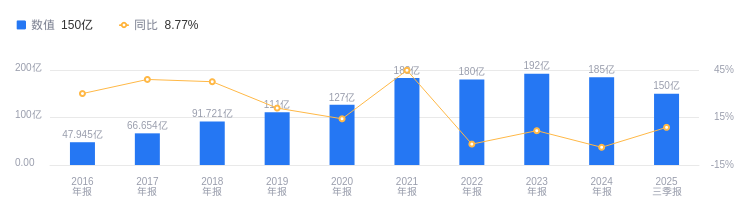
Core Viewpoint - The surge in sales from a live-streaming event has raised questions about the production capacity of Gujia Home, particularly regarding the fulfillment of nearly 30,000 sofa orders generated during the event, which totaled over 1 billion yuan in sales [3][7][10]. Group 1: Sales Performance and Production Concerns - A live-streaming event hosted by popular influencer Dong Yuhui resulted in over 1 billion yuan in sales for Gujia Home, with nearly 30,000 sofas ordered [3][7]. - Gujia Home confirmed that the sofas sold during the live stream are self-manufactured and that production is being accelerated to meet demand [3][9]. - Concerns have been raised about the company's ability to fulfill such a large order, with industry observers noting that many manufacturers are hesitant to take on the production due to low margins and long payment cycles [5][7]. Group 2: Financial Performance and Market Position - Gujia Home reported a revenue of 184.8 billion yuan in 2024, a decline of 3.81% year-on-year, marking the first time since its IPO in 2016 that both revenue and net profit have decreased [9][10]. - In the first three quarters of 2025, the company saw a revenue increase of 8.77% year-on-year, with a net profit growth of 13.24% [10][11]. - The company is facing challenges with high accounts receivable and payable, indicating potential liquidity issues [11][12]. Group 3: Strategic Shifts and Management Changes - Gujia Home is undergoing a transformation under new ownership, with a focus on efficiency and profitability rather than just growth [19][20]. - The company plans to invest 1.997 billion yuan in six major projects, including smart home product development and production line upgrades, to enhance operational efficiency [19][20]. - The management team has shifted significantly, with new leaders from the Midea Group taking over, indicating a strategic pivot towards leveraging synergies with Midea [17][18].


顾家家居的前世今生:2025年前三季度营收150.12亿行业居首,净利润16.02亿远超同行
Xin Lang Cai Jing· 2025-10-31 06:51
Core Viewpoint - Gujia Home is a leading player in the soft furniture industry, focusing on mid-to-high-end products, with strong innovation capabilities and a comprehensive product range [1] Group 1: Business Performance - In Q3 2025, Gujia Home achieved a revenue of 15.012 billion, ranking first among 17 companies in the industry, significantly surpassing the second-place Henglin's 8.488 billion [2] - The net profit for Q3 2025 was 1.602 billion, also leading the industry, exceeding the second-place Zhejiang Yongqiang's 684 million [2] - The company reported a gross profit margin of 32.38% in Q3 2025, higher than the industry average of 31.44% [3] Group 2: Financial Health - As of Q3 2025, Gujia Home's debt-to-asset ratio was 39.77%, lower than the industry average of 45.64% [3] - The company’s total shareholder count decreased by 22.71% to 18,200 as of September 30, 2025, while the average number of shares held per shareholder increased by 29.39% to 44,700 [5] Group 3: Management and Strategy - The total compensation for CEO Li Donglai in 2024 was 2.415 million, a decrease of 388,000 from 2023 [4] - The company plans to invest in building an overseas production base in Indonesia as part of its internationalization strategy [6] - Gujia Home aims to enhance its core product line, particularly in functional sofas, and has launched several flagship products in October [5][6]
“新王”何剑锋20亿定增“输血”顾家家居,“旧王”持股“丢盔弃甲”
Guan Cha Zhe Wang· 2025-10-20 07:35
Core Viewpoint - The recent capital increase of nearly 2 billion yuan by Gujia Home is strengthening He Jianfeng's control over the company, while the founding family's control is diminishing [1][2]. Group 1: Capital Increase and Control - Gujia Home announced a private placement to raise 1.0428 billion shares at 19.15 yuan per share, totaling approximately 1.997 billion yuan, which has been approved by the Shanghai Stock Exchange [1]. - Following the capital increase, He Jianfeng's shareholding in Gujia Home will rise to 37.37%, enhancing his control over the company [1][2]. - The second-largest shareholder, Hangzhou Deyejiajun, holds 10.76% of the shares, while the third-largest shareholder, TB Home Limited, holds 5.01%, both of which have their shares frozen [3]. Group 2: Financial Performance and Investment - As of October 17, Gujia Home's stock price was 30.22 yuan, with a total market capitalization of 24.824 billion yuan [4]. - The funds raised will primarily be used for working capital, with approximately 1 billion yuan allocated for this purpose, indicating liquidity issues faced by the company [4]. - The largest investment will be in AI and retail digital transformation, with an expected allocation of about 395 million yuan [4]. - Gujia Home's revenue for the first half of the year was 9.801 billion yuan, a year-on-year increase of 10.02%, and net profit was 1.021 billion yuan, up 13.89% [5]. Group 3: Market Expansion and Challenges - Gujia Home plans to invest approximately 1.124 billion yuan to establish a base in Indonesia, which is expected to generate annual revenue of 2.52 billion yuan once completed [6]. - The founding family's shares are being auctioned, with a total of 3.46% of the company's shares at risk due to financial difficulties [7][8]. - The founding family's control is further weakened as their shares are being gradually auctioned off, indicating a shift in ownership dynamics within the company [9].
“新王”何剑锋20亿定增“输血”顾家家居,“旧王”顾江生持股一路“丢盔弃甲”
Guan Cha Zhe Wang· 2025-10-20 06:41
Core Viewpoint - The recent capital increase of nearly 2 billion yuan by Gujia Home is strengthening He Jianfeng's control over the company, while the founding family's influence is diminishing [1][2]. Group 1: Capital Increase and Control - Gujia Home announced a private placement to raise 1.0428 billion shares at 19.15 yuan per share, totaling approximately 1.997 billion yuan [1]. - After the capital increase, He Jianfeng's control over Gujia Home will rise to 37.37%, while the founding family's control is decreasing [1][2]. - The second-largest shareholder, Hangzhou Deyejiajun, holds 10.76% of the shares, and the third-largest shareholder, TB Home Limited, holds 5.01%, both of which have their shares frozen [1]. Group 2: Financial Performance and Investment Plans - As of October 17, Gujia Home's stock price was 30.22 yuan, with a total market capitalization of 24.824 billion yuan [3]. - The funds raised will primarily be used for working capital, with about 1 billion yuan allocated for this purpose, indicating liquidity issues [3]. - Major investment projects include AI and retail digital transformation, smart production line upgrades, and brand enhancement, with the largest investment of approximately 395 million yuan for AI transformation [3][4]. Group 3: Shareholder Dynamics - The founding family's shares are being auctioned, with a total of 3.46% of the company's shares at risk due to judicial auctions [2][6]. - If the shares are successfully auctioned, the founding family's stake could drop to 12.32% [6]. - The founding family's previous shares have also been auctioned, indicating ongoing financial difficulties and a loss of control over the company [7][8].

新王”何剑锋20亿定增“输血”顾家家居,“旧王”顾江生持股一路“丢盔弃甲
Guan Cha Zhe Wang· 2025-10-20 06:38
Core Viewpoint - The control of Gujia Home Furnishing (603816) by He Jianfeng is strengthening through a nearly 2 billion yuan private placement, which will increase his shareholding to 37.37% [1][2]. Group 1: Shareholding Changes - Gujia Home Furnishing announced a private placement to raise 1.0428 billion shares at 19.15 yuan per share, totaling approximately 19.97 billion yuan [1]. - He Jianfeng, through Yingfeng Group and Yingfeng Ruihe Investment, will increase his control over Gujia Home Furnishing, while the founding family, Gu Jiangsheng, will see their control diluted [3][4]. - The second-largest shareholder, Hangzhou Deyejiajun, holds 10.76% of shares, and the third-largest shareholder, TB Home Limited, holds 5.01%, both of which have their shares frozen [3][4]. Group 2: Financial Performance and Investment - As of October 17, Gujia Home Furnishing's stock price was 30.22 yuan, with a total market capitalization of 248.24 billion yuan [4]. - The private placement will primarily be used to supplement working capital, with about 10 billion yuan allocated for this purpose, indicating liquidity issues [4]. - The company plans to invest in AI and retail digital transformation, smart production line upgrades, and brand enhancement, with the largest investment of approximately 3.95 billion yuan for AI and digital transformation [4][5]. Group 3: Operational Recovery - Gujia Home Furnishing reported a revenue of 9.801 billion yuan for the first half of the year, a year-on-year increase of 10.02%, and a net profit of 1.021 billion yuan, up 13.89% [5][6]. - The company is expanding its overseas market presence, with an investment of approximately 1.124 billion yuan to build a base in Indonesia, expected to generate an annual revenue of 2.52 billion yuan once completed [6]. Group 4: Founder’s Shareholding Issues - The founding family of Gujia Home Furnishing is facing significant financial difficulties, with shares being auctioned off due to judicial actions [7][8]. - The shares being auctioned represent 3.46% of the total share capital, and if sold, the founding family's stake will decrease to 12.32% [7][8]. - The founder's shares have been subject to multiple auctions, indicating a trend of diminishing control over the company [9].