
包装盒

Search documents
前三季度出口额首超3万亿元,浙江是如何做到的?
Sou Hu Cai Jing· 2025-10-25 09:03
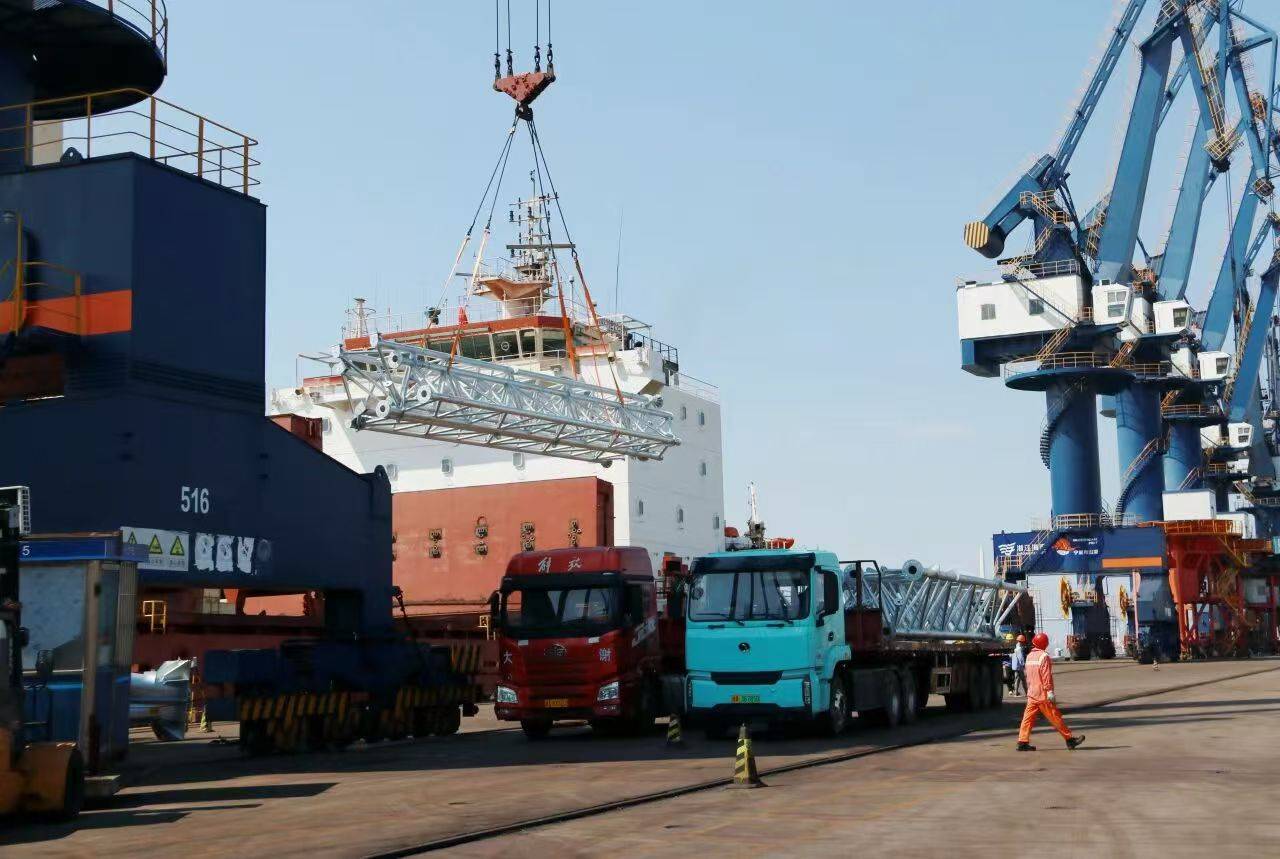
Core Insights - Zhejiang Province has significantly increased its efforts to expand into non-US markets, effectively compensating for the share of exports to the US [1] - In the first three quarters of this year, Zhejiang's total import and export value reached 4.17 trillion yuan, a year-on-year increase of 6.2%, with exports at 3.16 trillion yuan and imports at 1.01 trillion yuan, marking historical highs for the province [1] - The province's export growth rate of 8.3% outpaced the national average of 7.1%, attributed to the diversification of target markets and the implementation of supportive government policies [1] Export Performance - Exports to the EU, ASEAN, Middle East, Latin America, and Africa all maintained double-digit growth in the first three quarters [2] - ASEAN emerged as the fastest-growing export market for Zhejiang, with a year-on-year growth of 16.8%, surpassing the US to become the second-largest export market [2] - Exports to Belt and Road countries reached 1.75 trillion yuan, growing by 13.5% and accounting for 55.5% of the province's total exports [2] Emerging Markets and New Products - Companies in Yiwu, such as Jabei Daily Necessities Co., are actively exploring emerging markets, particularly in Central Asia, which shows high demand for their products [4] - The "New Three Samples" products have become a significant growth driver for Zhejiang's exports, with a total export value of 96.38 billion yuan, a year-on-year increase of 19.7%, contributing 6.6% to the province's foreign trade export growth [4] - Electric vehicles and lithium batteries saw export growth rates exceeding 80% and 30%, respectively, contributing to an overall increase of 0.7 percentage points in exports [4] Private Enterprises and Export Contributions - The number of private foreign trade enterprises in Zhejiang continues to rise, with over 120,000 enterprises having import and export performance in the first three quarters [5] - Among these, 112,000 are private enterprises, with an increase of over 8,000, accounting for 82% of the province's total import and export value, contributing 6.3 percentage points to Zhejiang's import and export growth [5] - Private enterprises led the export growth with a rate of 9.4%, contributing 96.6% to the overall export growth [5]

里水模式”:印刷包装业的“第三种答案
Nan Fang Du Shi Bao· 2025-05-15 03:46
Core Viewpoint - The printing and packaging industry in Lishui, Nanhai, Foshan is undergoing a significant transformation, integrating advanced technology, sustainability, and creative design to enhance its competitiveness and market reach [1][24][31]. Group 1: Industry Transformation - The Lishui printing industry is characterized by green, intelligent, and creative innovations, moving away from traditional practices [1][19]. - Companies like Yifeng Printing and Tengcai Technology have successfully transitioned from conventional printing to high-tech solutions, such as RFID tags and smart production lines [5][13]. - The establishment of the Shifa (Guangfo) Packaging Printing Industrial Park has facilitated the clustering of over 200 enterprises, promoting collaboration and resource sharing among smaller firms [9][10]. Group 2: Economic Impact - The printing sector in Nanhai has over 1,300 enterprises, generating more than 100 billion yuan in annual revenue and creating over 30,000 jobs [11]. - The region has seen a 60% revenue growth in companies like Tengcai Technology, which produces 2 billion RFID inlays annually [5][11]. - The industrial park model has reduced operational costs by at least 5% through centralized procurement and shared facilities [9][10]. Group 3: Technological Advancements - The industry is embracing a "digital + chip" revolution, with companies investing in advanced equipment to meet international standards [12][16]. - Yifeng Printing has integrated multiple precision processes into its production line, enhancing product quality and efficiency [14][17]. - The introduction of AI quality inspection devices has significantly improved product quality while reducing labor costs [17]. Group 4: Environmental Sustainability - The Shifa Industrial Park has implemented centralized pollution control measures, reducing treatment costs by 40% for participating companies [19][20]. - The shift from passive compliance to proactive value addition in environmental practices is evident, with companies now focusing on sustainable growth [21][23]. - The park's design allows for efficient waste management and compliance with environmental regulations, fostering a greener industry [22][24]. Group 5: Collaborative Ecosystem - The local government plays a crucial role in creating a favorable business environment, facilitating the growth and innovation of the printing industry [25][26]. - The collaboration between enterprises and government has led to a supportive ecosystem that encourages investment and development [24][30]. - The establishment of industry standards and brand recognition initiatives aims to enhance the visibility and competitiveness of Lishui's printing sector [30][31].
