北京同仁堂高纯南极磷虾油

Search documents
同仁堂与磷虾油涉事孙公司割席,品牌授权人员:控制字号就没事
凤凰网财经· 2025-12-16 13:19
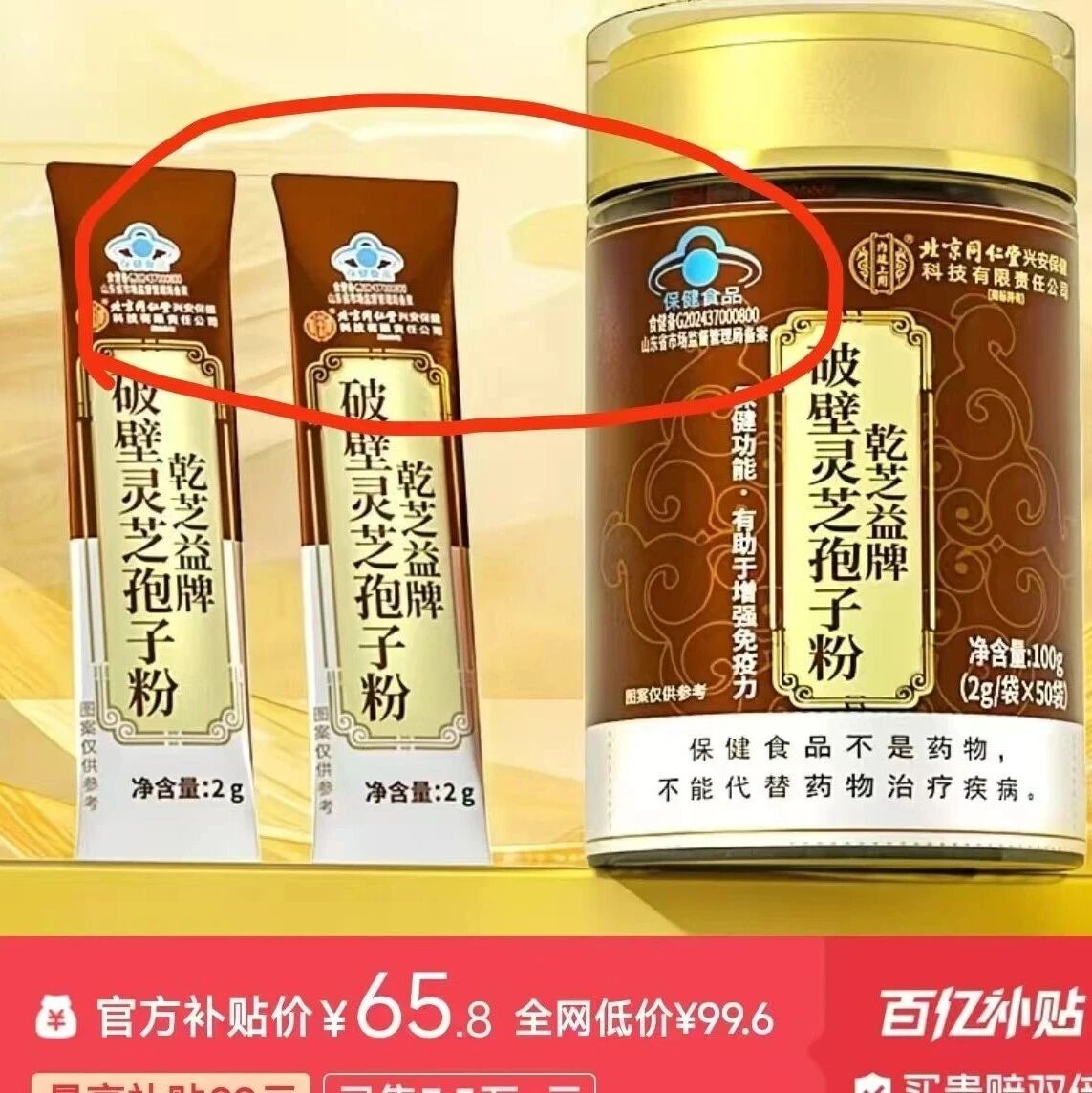
Core Viewpoint - The article discusses the controversy surrounding the Beijing Tongrentang brand, particularly regarding the quality of its products and the implications of its private label business model, which allows for low-cost, flexible branding of health products [2][4][12]. Group 1: Brand and Product Quality Issues - A product labeled as "Beijing Tongrentang High Purity Antarctic Krill Oil" was found to contain zero phospholipid content, raising public concerns about the quality of Tongrentang products [5][12]. - The Shanghai Consumer Protection Committee is investigating the production company, Anhui Habao Pharmaceutical Co., and the distributor, Beijing Tongrentang (Sichuan) Health Pharmaceutical Co., for misleading claims [5][6]. - The packaging of the krill oil product prominently features the "Beijing Tongrentang" name, but it actually uses a different trademark owned by the distributor, which could mislead consumers [11][20]. Group 2: Business Model and Market Practices - The private label business model allows for low minimum order quantities, with initial orders starting at 10,000 boxes, enabling various products to be marketed under the Tongrentang brand [2][15]. - The article highlights that the core operation of the private label business involves brand authorization and contract manufacturing, with actual production outsourced to companies like Habao Pharmaceutical [13][28]. - The pricing strategy for these products can lead to significant markups on e-commerce platforms, with retail prices reaching 60 to over 90 yuan for products that cost much less to produce [17]. Group 3: Legal and Regulatory Responses - In response to the controversy, Tongrentang announced plans to sue the distributor for unauthorized use of its brand name, aiming to protect consumer rights and the company's reputation [4][12]. - The article notes a history of quality issues and regulatory penalties faced by Tongrentang and its subsidiaries, indicating a pattern of quality control failures [29][31]. - Legal experts suggest that Tongrentang has the right to take action against unauthorized use of its trademarks, emphasizing the importance of maintaining brand integrity and consumer trust [32].


同仁堂与磷虾油涉事孙公司割席,品牌授权人员:控制字号就没事
Feng Huang Wang Cai Jing· 2025-12-16 10:44
Core Viewpoint - The article discusses the controversy surrounding the Beijing Tongrentang brand, particularly regarding the quality of its health products, specifically a product labeled as "Beijing Tongrentang High Purity Antarctic Krill Oil," which was found to contain zero phospholipids, raising public concerns about product quality and brand integrity [2][5][10]. Group 1: Brand and Product Issues - The low entry barrier for private label products associated with the Beijing Tongrentang brand has led to a proliferation of various products on e-commerce platforms, with minimum order quantities as low as 10,000 boxes [2][10]. - A recent investigation revealed that a product claiming to contain high levels of phospholipids actually had none, indicating potential fraud and leading to scrutiny of the brand's quality control [5][10]. - The company has initiated legal action against its subsidiary, Beijing Tongrentang (Sichuan) Health Pharmaceutical Co., in response to the controversy, aiming to protect its brand image [4][10]. Group 2: Manufacturer and Regulatory Concerns - The manufacturer of the disputed krill oil product, Anhui Habao Pharmaceutical Co., has a history of administrative penalties and food safety issues, including multiple instances of non-compliance with food safety standards [7][9]. - The Shanghai Consumer Protection Committee has demanded explanations from both the manufacturer and the distributor regarding the product's actual content and quality [5][10]. - The article highlights the ongoing cycle of quality issues, penalties, and public relations efforts that have plagued the brand, questioning the effectiveness of legal actions in restoring consumer trust [26][28]. Group 3: Brand Authorization and Market Practices - The private label business model employed by subsidiaries of Beijing Tongrentang involves brand authorization and contract manufacturing, allowing for a wide range of products to be marketed under the brand name [10][12]. - The article notes that while the brand name is prominently displayed, the actual trademark used is different from the well-known Tongrentang logo, which may confuse consumers [10][20]. - The company has previously emphasized that unauthorized use of its brand name is illegal and has taken steps to clarify its position on brand management and quality assurance [27][28].