贴牌生产

Search documents
同仁堂与磷虾油涉事孙公司割席,品牌授权人员:控制字号就没事
Feng Huang Wang Cai Jing· 2025-12-16 10:44
Core Viewpoint - The article discusses the controversy surrounding the Beijing Tongrentang brand, particularly regarding the quality of its health products, specifically a product labeled as "Beijing Tongrentang High Purity Antarctic Krill Oil," which was found to contain zero phospholipids, raising public concerns about product quality and brand integrity [2][5][10]. Group 1: Brand and Product Issues - The low entry barrier for private label products associated with the Beijing Tongrentang brand has led to a proliferation of various products on e-commerce platforms, with minimum order quantities as low as 10,000 boxes [2][10]. - A recent investigation revealed that a product claiming to contain high levels of phospholipids actually had none, indicating potential fraud and leading to scrutiny of the brand's quality control [5][10]. - The company has initiated legal action against its subsidiary, Beijing Tongrentang (Sichuan) Health Pharmaceutical Co., in response to the controversy, aiming to protect its brand image [4][10]. Group 2: Manufacturer and Regulatory Concerns - The manufacturer of the disputed krill oil product, Anhui Habao Pharmaceutical Co., has a history of administrative penalties and food safety issues, including multiple instances of non-compliance with food safety standards [7][9]. - The Shanghai Consumer Protection Committee has demanded explanations from both the manufacturer and the distributor regarding the product's actual content and quality [5][10]. - The article highlights the ongoing cycle of quality issues, penalties, and public relations efforts that have plagued the brand, questioning the effectiveness of legal actions in restoring consumer trust [26][28]. Group 3: Brand Authorization and Market Practices - The private label business model employed by subsidiaries of Beijing Tongrentang involves brand authorization and contract manufacturing, allowing for a wide range of products to be marketed under the brand name [10][12]. - The article notes that while the brand name is prominently displayed, the actual trademark used is different from the well-known Tongrentang logo, which may confuse consumers [10][20]. - The company has previously emphasized that unauthorized use of its brand name is illegal and has taken steps to clarify its position on brand management and quality assurance [27][28].



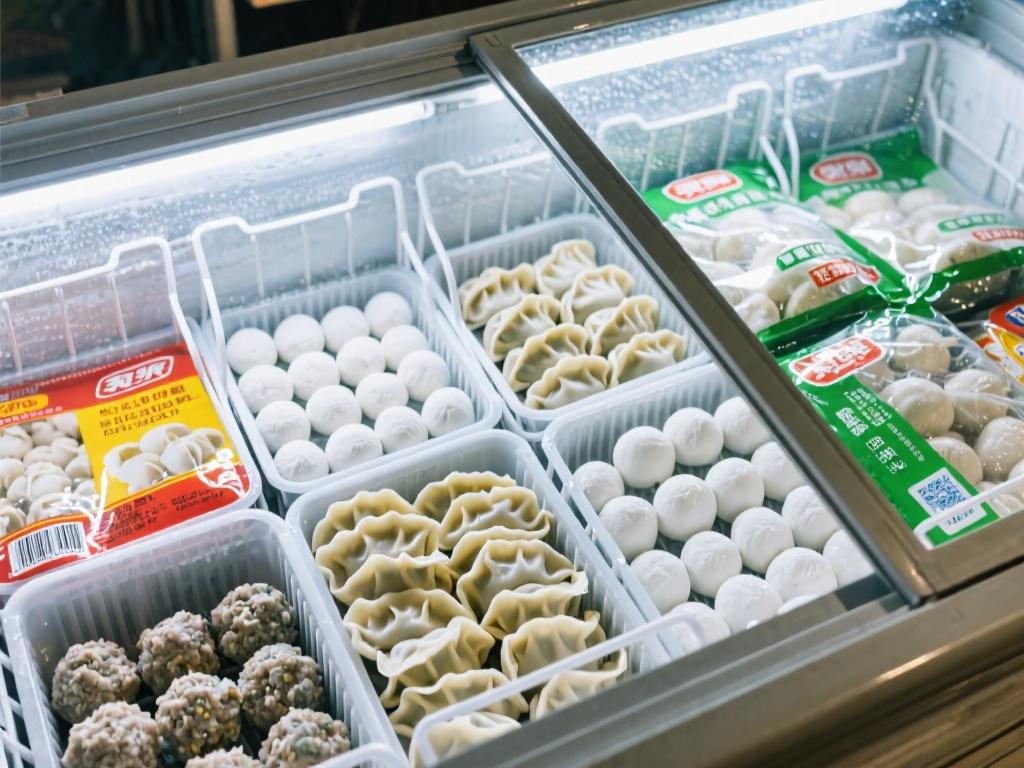
贴牌,冻品经销商的救命稻草?
3 6 Ke· 2025-08-22 00:30
Group 1 - The frozen food market is undergoing significant changes, with distributors facing unprecedented challenges due to strong brand pressures and market factors, prompting a reevaluation of their business strategies [1][3] - Historically, frozen food distributors relied on well-known brands for stable profits, but recent years have seen increased control from major brands, higher entry barriers, and intensified competition leading to price wars [3][4] - The evolving market landscape is reshaping the entire frozen food supply chain, with rising consumer demands for quality and variety, alongside the emergence of new sales channels like e-commerce and community group buying, which are squeezing traditional distributors [4][6] Group 2 - In response to these challenges, private label production has emerged as a new strategy for frozen food distributors, allowing them to create products tailored to market demands and reduce reliance on major brands [7][10] - Private label products can offer higher profit margins compared to branded products, with some distributors reporting that private label frozen dumplings can yield double the gross margin of branded ones [7][10] - However, challenges such as quality control, brand building, and increasing competition among similar private label products pose significant risks for distributors venturing into this space [8][10] Group 3 - The rise of private labels is not merely a survival tactic but also a means to foster market diversification and innovation, enhancing consumer choice and satisfaction [10][13] - The relationship between brands and distributors is evolving towards a co-creation model, where both parties leverage their strengths to better serve consumers [10][13] - Digital tools and collaborative innovation among distributors are emerging as key strategies to improve operational efficiency and product development, with some companies utilizing data analytics to better understand consumer preferences [11][13]