
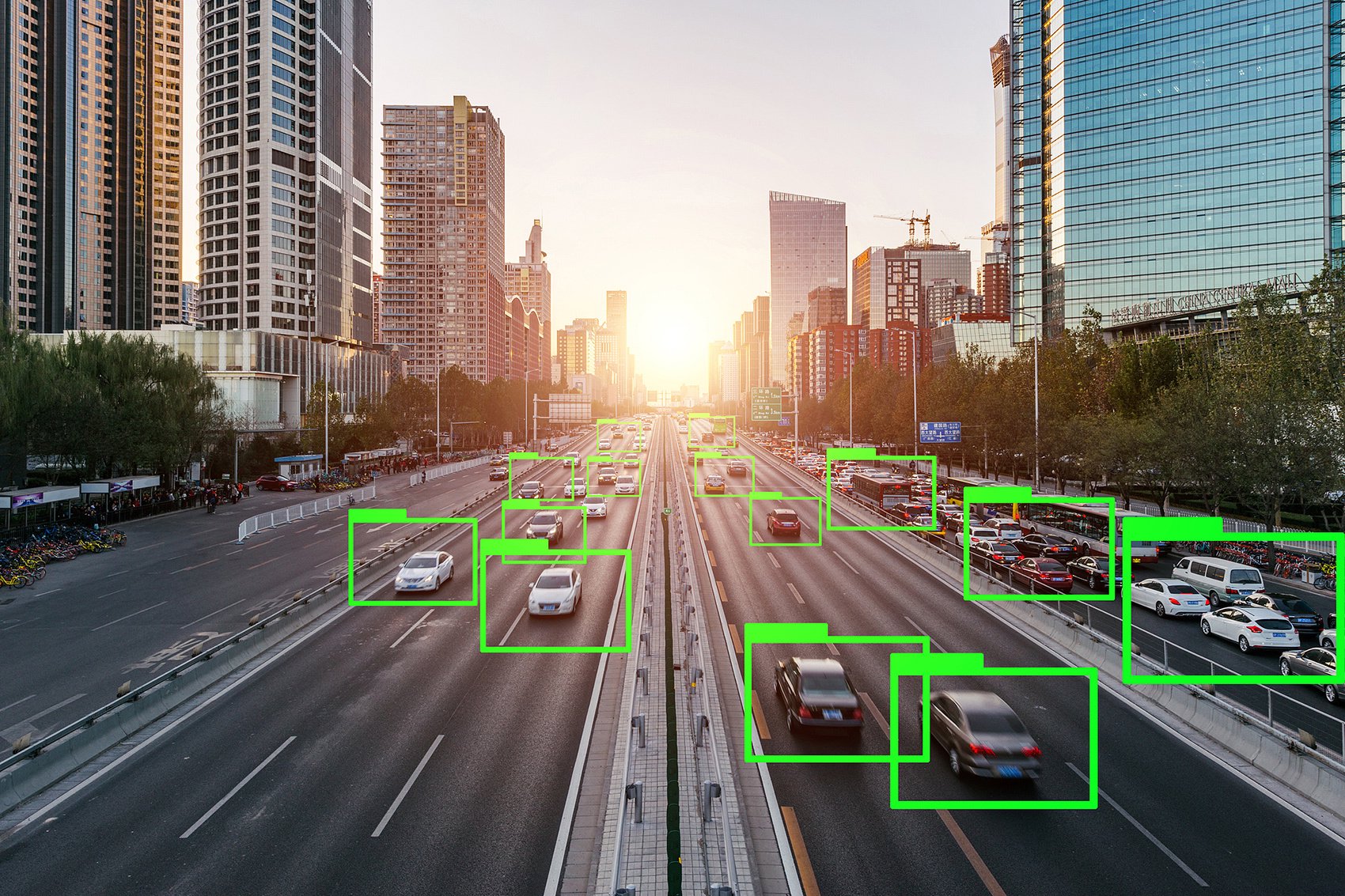
华为乾崑智驾ADS 3.3系统

Search documents
我国自动驾驶向商业化应用迈出关键一步
Zhong Guo Zhi Liang Xin Wen Wang· 2025-12-25 05:08
Core Viewpoint - The approval of the first batch of L3-level conditional autonomous driving vehicles in China marks a significant step towards the commercialization of autonomous driving, transitioning from "technical validation" to "mass production application" [1] Group 1: Regulatory Developments - The Ministry of Industry and Information Technology has granted approval for two L3-level autonomous driving models from Changan and Arcfox to conduct road trials in designated areas of Beijing and Chongqing [1] - This approval signifies a shift in responsibility, where automakers and system providers will be held accountable for accidents occurring while the vehicle is in autonomous mode [1][2] - The L3-level vehicles must have "front-mounted mass production" sensing equipment, ensuring technical stability from the outset [1] Group 2: Industry Standards and Safety - The global autonomous driving industry is transitioning from technical validation to large-scale commercialization, with standardization becoming crucial for technological discourse [2] - The establishment of standards such as the "Intelligent Driving Pyramid Grading Evaluation System" and the national standard for "Safety Requirements for Intelligent Connected Vehicle Combination Driving Assistance Systems" aims to provide clear technical evaluations and safety guidelines [2] - The differentiation between L2 and L3 levels lies in the "human-machine responsibility transition" and "safety redundancy mechanisms," with L3 allowing for autonomous driving in specific scenarios [3] Group 3: Pilot Vehicle Specifications - The Changan SC7000AAARBEV can operate autonomously at speeds up to 50 km/h in specific urban and highway conditions, while the Arcfox BJ7001A61NBEV can reach speeds of 80 km/h under similar conditions [4][5] - The two models represent different technological approaches, with Changan using a combination of cameras and radar, while Arcfox employs multiple sensors including LiDAR [5] - The pilot program is limited to specific routes in Chongqing and Beijing to ensure safety and effective monitoring [5] Group 4: Collaborative Efforts and Future Directions - The advancement of autonomous driving relies not only on technological innovation but also on precise policy adaptation, clear responsibility delineation, and public trust [6] - Companies are encouraged to focus on safety redundancy in their designs and to enhance user experience through intuitive interfaces [6] - To achieve sustainable development, companies should deepen their algorithm and data research, build comprehensive service capabilities, and foster cross-industry collaborations [6][7] Group 5: Challenges Ahead - The commercialization of L3-level autonomous driving faces challenges related to technology, policy, and societal acceptance [7] - Companies are advised to participate in the formulation of local and industry standards and to establish necessary infrastructure in key areas to support testing and future scalability [7]
从“辅助”到“自动”的关键一跃!首批L3级自动驾驶车型获批,车企明确:L2车辆暂无法直接升级
Mei Ri Jing Ji Xin Wen· 2025-12-19 00:36
Core Viewpoint - The approval of L3-level conditional autonomous driving vehicles in China marks a significant milestone in the transition from L2-level assistance to true automation, fundamentally altering the responsibility chain in driving and opening new market opportunities for the automotive industry [4][10][19]. Group 1: Market Response and Impact - Following the announcement of L3-level vehicle approvals, the stock market reacted positively, with several companies in the intelligent driving sector experiencing significant stock price increases, indicating strong investor interest [6][19]. - The approval of L3 vehicles is expected to lead to a competitive landscape where companies that can leverage L3 technology will gain a strategic advantage in the automotive market [10][19]. Group 2: Technical Specifications and Regulations - The first two approved L3 vehicles, the Changan Deep Blue SL03 and the BAIC Arcfox Alpha S6, will operate in designated areas with maximum speeds of 50 km/h and 80 km/h respectively, highlighting the initial application of L3 technology in specific scenarios [8][10]. - The L3 technology represents a shift in responsibility from the driver to the system under certain conditions, which is a fundamental change from L2 systems where the driver retains full responsibility [7][10]. Group 3: Future Projections and Industry Trends - Industry experts predict that by 2026, the penetration rate of L3 and above autonomous vehicles could reach 10%, with L2-level vehicles expected to achieve a 70% market penetration [10][27]. - The development of L3 technology is anticipated to create a new market worth trillions, as the industry shifts from selling vehicles to selling mileage, particularly in specific applications like airport shuttles and logistics [26][27]. Group 4: Challenges and Considerations - Despite the advancements, the rollout of L3 vehicles will face challenges, including the need for high-precision infrastructure and regulatory frameworks to ensure safety and operational efficiency [31][32]. - The approval process for L3 vehicles has been gradual, involving extensive testing and regulatory compliance, which underscores the importance of a robust safety and operational framework for the future of autonomous driving [19][28].



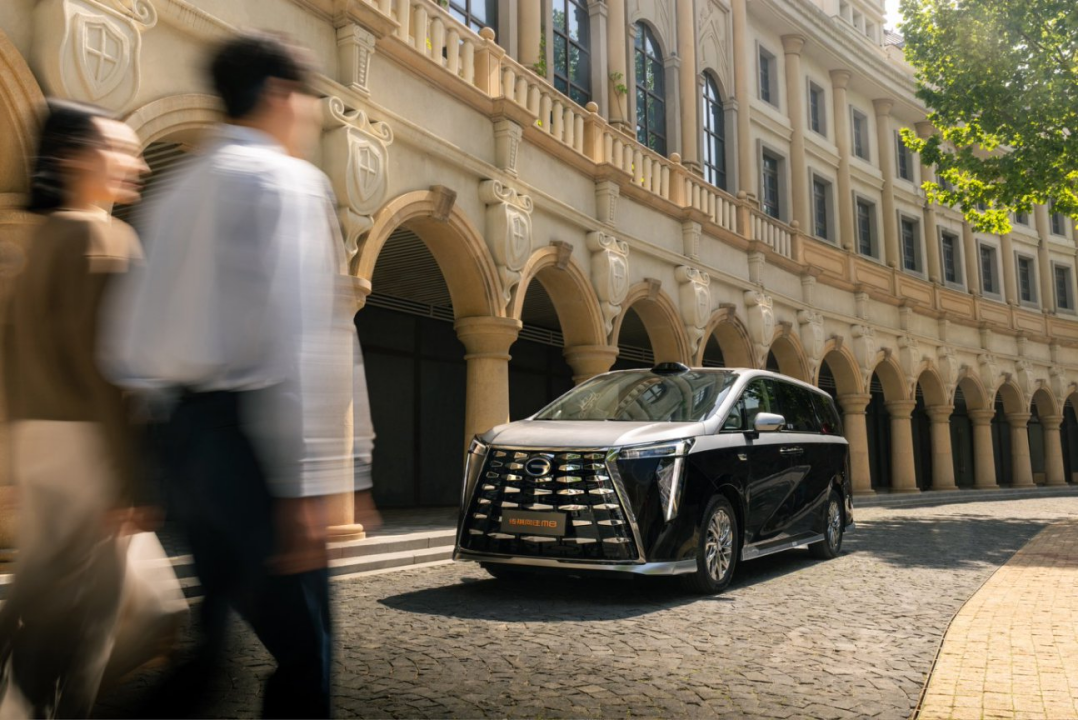
传祺M8乾崑济南上市盛典邀您共启豪华新篇
Qi Lu Wan Bao· 2025-06-25 02:39
Group 1 - The core viewpoint of the article highlights the launch of the GAC Trumpchi M8 Qiankun series, which aims to provide local consumers with a new experience in intelligent luxury travel [1] Group 2 - The GAC Trumpchi M8 Qiankun series features the Ningde Times super range extender battery, offering a pure electric range of 248 kilometers under CLTC standards and a comprehensive range of 1177 kilometers under WLTC standards [3] - The vehicle has undergone 145 rigorous tests to ensure battery safety and reliability, with an intelligent thermal management system for stable operation in extreme environments [3] - The interior is designed for luxury and comfort, featuring Deepsoft zero-gravity seats with 16-way adjustments and 24-point massage, along with a flexible 2+2+3 seating layout [3] Group 3 - The vehicle is equipped with Huawei's Qiankun intelligent driving ADS 3.3 system, which includes 192-line lidar, 4D high-precision millimeter-wave radar, and 11 cameras for 360-degree environmental perception [4] - It supports urban intelligent driving navigation and valet parking, enhancing the driving experience [4] - The HarmonySpace cockpit offers a "cross-device ecosystem" experience, allowing for easy operation and rich applications, including remote control of smart home devices [4] Group 4 - The GAC Trumpchi M8 Qiankun series emphasizes safety with a body made of 85.6% high-strength steel, capable of withstanding four times its weight [5] - It features innovative safety configurations such as a rear window airbag and a 3.2-meter long side curtain airbag, along with active safety features like traffic sign recognition and automatic emergency braking [5] - The vehicle also includes fatigue detection and collision rescue systems to ensure comprehensive travel safety [5]
深蓝S09上市并交付:搭载华为乾崑智驾ADS 3.3系统,23.99万元起
Feng Huang Wang· 2025-05-29 02:59
Core Points - Deep Blue Automotive has officially launched its new large six-seat SUV, the Deep Blue S09, with a price range of 239,900 to 309,900 yuan [1] - The vehicle is positioned in the family large six-seat SUV market, competing with models like Li Auto L9 and AITO M9 [1] - The S09 features a body size of 5205x1996x1800mm and a wheelbase of 3105mm [1] Safety Features - The Deep Blue S09 is equipped with the longest rear anti-collision beam in its class, with a distance of 950mm to the third-row seats and a 2700mm long side air curtain covering all three rows [1] - The safety design standards reference the China Insurance Research Institute's MGGG requirements, with a passenger cabin made of 100% high-strength steel and a 53% proportion of hot-formed steel, achieving a strength of 2000MPa [1] Technology and Features - The vehicle is equipped with Huawei's Qian Kun Intelligent Driving ADS 3.3 system, with plans for an OTA upgrade to ADS 4.0 in the second half of 2025 [1] - The HarmonySpace 5 cockpit provides an interactive experience, featuring the industry's first dedicated AI assistant for children [1] - The all-around collision avoidance CAS 3.0 system offers multiple active safety features [1] Powertrain and Chassis - The S09 utilizes the original intelligent range extension system (referred to as version 2.0), capable of generating 3.63 kWh of electricity from 1 liter of fuel, and incorporates wide-temperature range battery technology [1] - The vehicle features a new chassis architecture with a front double wishbone and rear H-arm multi-link suspension, along with a split-type CDC air suspension and active magic carpet system [2] Interior Features - The Deep Blue S09 includes a movable hot and cold refrigerator, dual 15.6-inch screens for the front row, and a 21.4-inch entertainment screen for the rear [2]