
友谊输油管道

Search documents
欧盟委员会:已向乌克兰提议对“友谊”输油管道进行检查,以确认其受损情况
中国能源报· 2026-03-13 05:03
Group 1 - The European Union (EU) has been in close discussions with Ukraine regarding the restart of the "Friendship" oil pipeline, proposing an inspection to assess its damage [3] - Since January 27, Russian oil has not been transported through the "Friendship" pipeline to Hungary and Slovakia, leading to suspicions from these countries that Ukraine is deliberately delaying the restoration of supply, which Ukraine denies [3]

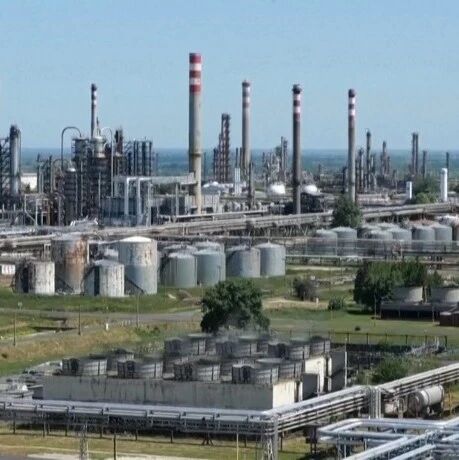
受“友谊”输油管道供应中断影响,匈牙利再度面临来自乌克兰的能源威胁,匈牙利总理强硬表态:“我们将在这件事上击败他们”
中国能源报· 2026-03-08 09:39
Core Viewpoint - Hungary's Prime Minister Viktor Orbán emphasizes the need to break the oil blockade imposed by Ukraine, asserting that Hungary will not compromise under pressure and will resist any form of extortion [3]. Group 1: Energy Supply Dispute - Hungary and Ukraine are in a dispute over the interruption of oil supply through the "Friendship" pipeline, which has led to escalating tensions between Hungary, Slovakia, and Ukraine since January 27 of this year [5]. - Orbán highlights that energy expenditures are a significant part of ordinary households' living costs in Hungary, and the interruption of the "Friendship" pipeline poses a new energy threat to Hungary [3]. Group 2: Government Response and Monitoring - The Hungarian government is actively monitoring oil inventory and price trends, with plans to intervene immediately if prices exceed manageable levels [3]. - Orbán expresses that he does not expect an apology from Ukraine but demands the resumption of the oil pipeline [3]. Group 3: EU Membership Concerns - Orbán opposes Ukraine's accession to the European Union, arguing that accepting a country in a state of war would bring conflict into the EU and divert Hungarian funds to Ukraine [3].

泽连斯基:“友谊”输油管道或在一个半月内恢复运行
中国能源报· 2026-03-06 03:40
Core Viewpoint - Ukrainian President Zelensky stated that the "Friendship" oil pipeline may be technically ready to resume operations within a month and a half [3]. Group 1 - The "Friendship" oil pipeline, which was damaged during a Russian attack at the end of January, has not been transporting Russian oil to Hungary and Slovakia since January 27 [3]. - Zelensky indicated that the decision to restore the pipeline is influenced by the need for the EU's €900 billion loan plan for Ukraine to be approved, suggesting that Ukraine may have no choice but to resume operations [3]. - Hungary and Slovakia have expressed skepticism regarding Ukraine's intentions, with Slovakia's Prime Minister Fico requesting a halt to emergency electricity supplies to Ukraine on February 23 [3].
匈牙利与斯洛伐克将联合调查“友谊”输油管道现状
Xin Lang Cai Jing· 2026-02-27 17:29
Core Viewpoint - Hungary and Slovakia have agreed to establish a joint investigation committee to examine the status of the "Friendship" oil pipeline, which is crucial for oil transportation from Russia to Central Europe [1] Group 1: Joint Investigation Committee - Hungarian Prime Minister Orban announced the formation of a joint investigation committee with Slovak Prime Minister Fico to investigate the "Friendship" oil pipeline [1] - The committee aims to address the current situation of the pipeline and facilitate the resumption of oil flow [1] Group 2: Pipeline Background - The "Friendship" oil pipeline is a major network system for transporting oil from Russia to Central Europe, starting from Samara in southwestern Russia and passing through Ukraine to reach the Czech Republic, Slovakia, and Hungary [1] - The pipeline has been disrupted since January 27 due to damage caused by Russian attacks, according to Ukraine [1] - Hungary and Slovakia dispute Ukraine's claims, accusing it of intentionally delaying the restoration of oil flow through the pipeline [1]
匈牙利和斯洛伐克试图派遣小组前往乌克兰检查“友谊”管道的状况
Xin Lang Cai Jing· 2026-02-27 10:14
Core Viewpoint - Hungary and Slovakia are attempting to send a team to Ukraine to inspect the condition of the "Friendship" oil pipeline, which has not been used to receive Russian oil since late January due to the ongoing conflict initiated by Russia [1] Group 1: Political Context - Hungary and Slovakia have ceased receiving Russian oil through the pipeline since late January following Russia's military actions [1] - Ukrainian President Zelensky claims that the pipeline's infrastructure has been damaged, requiring time for repairs, while Hungary and Slovakia argue that the blockage is politically motivated [1] Group 2: Actions and Responses - Hungarian Prime Minister Orban has called for President Zelensky to allow a team to investigate the situation on-site [1] - A committee is being established by Hungary and Slovakia to ascertain the truth regarding the pipeline's operational status [1]
修复“友谊”管道“没那么快”
Xin Lang Cai Jing· 2026-02-26 19:41
Core Viewpoint - The ongoing dispute over the "Friendship" oil pipeline between Ukraine, Hungary, and Slovakia highlights geopolitical tensions and differing energy policies within the EU, particularly regarding Russian oil supplies [2][3][4] Group 1: Pipeline Status and Disputes - Ukrainian President Zelensky stated that the restoration of the "Friendship" oil pipeline is not imminent, despite pressure from Hungary and the EU [2] - The pipeline, which transports Russian oil to Central Europe, has been out of operation since January 27 due to damage from Russian attacks, according to Ukraine [2] - Hungary and Slovakia dispute Ukraine's claims, accusing it of intentionally delaying the resumption of oil flow [2][3] Group 2: Political Implications - Hungarian Prime Minister Orban accused Ukraine of using the oil blockade as a political tool to manipulate energy prices ahead of Hungary's April elections [2] - Orban has ordered military reinforcements around critical energy infrastructure in response to perceived threats from Ukraine [3] - Slovakia's Prime Minister Fico emphasized that the pipeline is technically capable of resuming operations, contradicting Ukraine's timeline for repairs [3][4] Group 3: EU's Energy Policy and Responses - The EU is attempting to limit Russian energy supplies, but Hungary and Slovakia continue to receive oil through the "Friendship" pipeline [4] - Slovakia announced a suspension of emergency electricity supplies to Ukraine due to the ongoing oil supply issues [4] - The EU Commission President urged Ukraine to expedite the repair of the pipeline during a visit to Ukraine [4]
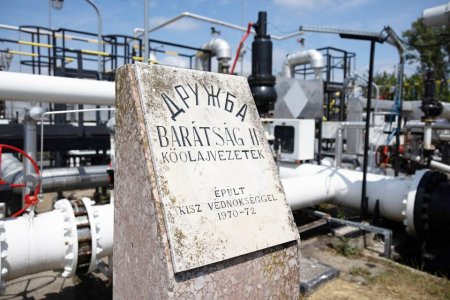
基辅连续5次推迟恢复石油供应,匈牙利与斯洛伐克勃然大怒,下死手惩治乌克兰
Sou Hu Cai Jing· 2026-02-26 15:35
Core Viewpoint - The repeated delays in the resumption of the "Friendship" oil pipeline by Ukraine have led to significant frustration among neighboring countries Slovakia and Hungary, which perceive these actions as political manipulation rather than mere technical issues [1][3][5]. Group 1: Pipeline Delays - The "Friendship" oil pipeline, initially scheduled to resume on February 26, has been postponed multiple times, with the latest resumption date pushed to March 3, marking a total of five delays in a short period [1][3]. - Ukraine's strategy of delaying the pipeline's reopening has exhausted the patience of Slovakia and Hungary, who feel manipulated by Ukraine's repeated postponements [3][8]. Group 2: Political Reactions - Slovakia's Prime Minister, Fico, has openly criticized Ukraine's actions as "political extortion," indicating a breakdown in diplomatic relations due to Ukraine's behavior [5][6]. - Both Slovakia and Hungary have decided to take retaliatory measures against Ukraine, signaling a shift from diplomatic niceties to more aggressive actions [5][6]. Group 3: Retaliatory Measures - Slovakia and Hungary have halted the export of diesel and other refined oil products to Ukraine, which significantly impacts the logistical support for the Ukrainian military [6]. - Slovakia has also cut off emergency electricity supplies to Ukraine, threatening the stability of Ukraine's power grid amid ongoing military conflicts [6]. - Hungary has taken steps to secure its energy facilities and has threatened to veto EU aid to Ukraine, which amounts to €90 billion, if the oil pipeline remains closed [6].
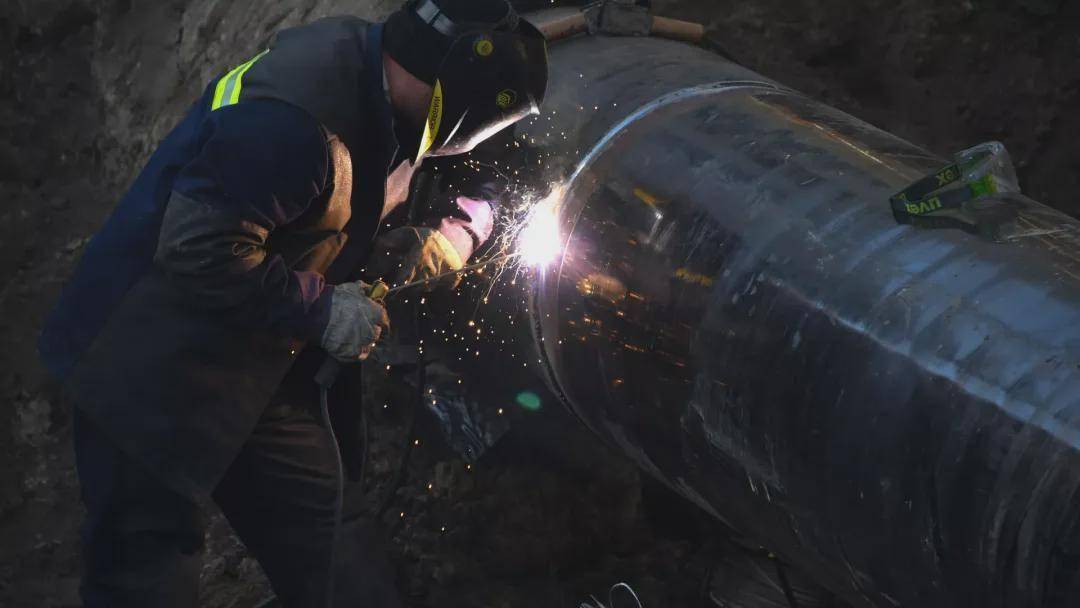
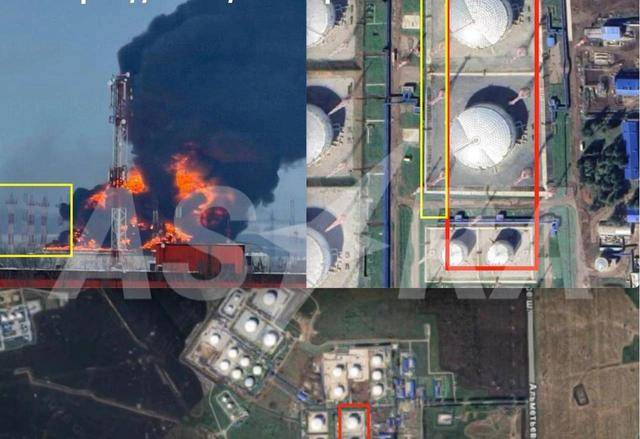
乌克兰炸毁俄输油管道的关键站点:可以期待欧尔班和菲佐的哀嚎了
Sou Hu Cai Jing· 2026-02-23 23:32
Group 1 - Hungarian Prime Minister Orban seeks cheap Russian oil and is pressuring Kyiv to concede to Kremlin demands, threatening to veto EU aid to Ukraine and cut off electricity supplies to Ukraine [1][8] - Hungary threatens to block a €900 billion EU loan and cut electricity to Ukraine before Russia resumes oil supplies through the "Friendship" pipeline [3][8] - Ukraine responded by attacking a key section of the "Friendship" pipeline in Tatarstan, causing significant damage and halting operations [3][5] Group 2 - The attack involved over 35 drones and targeted the Karekino oil pumping station, a critical node in the "Friendship" pipeline system, which is essential for oil transport to Hungary and Slovakia [3][5][6] - The Karekino facility has been a bottleneck, with approximately 100,000 tons of oil passing through annually, accounting for about a quarter of Russia's annual oil exports [5] - Hungary relies on the "Friendship" pipeline for 80-90% of its crude oil imports from Russia, making it a vital component of its energy security [6] Group 3 - Orban accused Ukraine of failing to repair the damaged Lviv pumping station to prevent Russia from profiting from oil sales to Hungary [7][8] - Slovakia's Prime Minister Fico echoed Hungary's stance, stating that Slovakia would block diesel and electricity supplies to Ukraine until oil transport through the "Friendship" pipeline resumes [8] - Ukraine's energy network is heavily reliant on electricity imports, with Hungary typically providing 40-50% of its needs [8] Group 4 - EU's High Representative for Foreign Affairs, Borrell, indicated that discussions on sanctions against Russia and Hungary's opposition would continue, emphasizing that oil transport through the "Friendship" pipeline is not linked to EU sanctions [9] - Upcoming parliamentary elections in Hungary may influence Orban's position, as opposition leader Peter Mazar advocates for stronger support for Ukraine and more sanctions against Russia [9]
斯洛伐克总理喊话乌克兰:不恢复输油,就停止供电
Xin Lang Cai Jing· 2026-02-22 10:42
Core Viewpoint - Slovakia's Prime Minister Fico issued an ultimatum to Ukraine, demanding the restoration of oil supplies by the 23rd or he will halt emergency electricity support to Ukraine, citing grievances over Ukraine's previous actions that have financially impacted Slovakia [1] Group 1: Political Tensions - Fico accused Ukrainian President Zelensky of "maliciously treating Slovakia" due to Slovakia's lack of support for the war [1] - The Prime Minister highlighted that Ukraine's cessation of gas supplies has already cost Slovakia €500 million annually [1] - Fico's statement is characterized as a "last warning" to Ukraine regarding oil supply issues [1] Group 2: Oil Supply Issues - The "Friendship" pipeline, which transports Russian oil to Central Europe, has been suspended since January 27, with Hungary and Slovakia blaming Ukraine for the disruption [1] - Fico has accused Ukraine of delaying the pipeline's restart to exert pressure on Hungary regarding its EU membership stance [1] - The "Friendship" pipeline is a major oil transport system from Russia to Central Europe, with routes through Belarus and Ukraine [1]
斯洛伐克总理警告乌克兰:若不尽快恢复输油,将停止向乌供电
Xin Lang Cai Jing· 2026-02-22 04:34
Core Viewpoint - Slovakia's Prime Minister Fico has threatened to demand Slovak companies to stop providing emergency electricity to Ukraine if oil supplies are not restored by February 23 [1] Group 1: Political Tensions - Hungary's Foreign Minister Szijjarto stated that Hungary will veto the European Union's €90 billion loan plan for Ukraine if oil supplies through the "Friendship" pipeline are not resumed [1] - The "Friendship" pipeline is a major oil transport system from Russia to Central and Eastern Europe, which has faced disruptions since late January due to a section in Ukraine being interrupted [1] Group 2: Accusations and Responsibilities - Ukraine claims that the interruption was caused by Russian attacks, while Hungary and Slovakia hold Ukraine responsible, accusing it of using the situation to pressure Hungary regarding its opposition to Ukraine's EU membership [1]