双食欲素受体拮抗剂

Search documents
“脑健康青年基金-睡眠健康创新研究”项目启动
Bei Ke Cai Jing· 2025-11-03 07:59
Core Viewpoint - The "Brain Health Youth Fund - Sleep Health Innovation Research Project" has been officially launched to support research on innovative mechanisms of drugs, particularly focusing on dual orexin receptor antagonists, to address insomnia and enhance brain health in China [1][2]. Group 1: Project Overview - The project aims to fund 30 research topics, including 10 excellent projects and 20 outstanding projects, specifically targeting insomnia mechanisms and management [1]. - The initiative is backed by the Shanghai Medical Innovation Development Foundation and supported by Eisai China, emphasizing the importance of sleep health as a cornerstone of national brain health [1]. Group 2: Research Focus - The research will concentrate on three main areas: 1. Pathological mechanism studies exploring the relationship between dual orexin receptor antagonists and sleep-wake cycles, their impact on daytime functioning, and their role in comorbid patients [2]. 2. Clinical application of new insomnia medications, focusing on treatment optimization, long-term management, and medication strategies for comorbid populations [2]. 3. Addressing clinical practice challenges, such as medication use in patients with comorbidities and special populations [2]. Group 3: Talent Development - The project is designed to ignite innovation among young researchers under 45 years old with clinical experience or published research in the field of insomnia, aiming to cultivate outstanding talent in sleep health [1][2].
想睡得香睡得好?可以试试这样做
Ren Min Wang· 2025-10-11 05:31
Core Viewpoint - The National Health Commission of China is promoting mental health services with a focus on "Everyone Enjoys Mental Health Services" for World Mental Health Day on October 10, 2025, emphasizing the importance of addressing sleep issues and providing practical advice for improving sleep quality [1] Group 1: Impact of Long-term Insomnia - Long-term insomnia can lead to a range of physical health issues, including weakened immunity, increased risk of diseases such as diabetes, hypertension, and obesity [2] - Psychological effects of long-term insomnia include irritability, strained interpersonal relationships, decreased attention and memory, and potential development of anxiety and depression [2] - Socially, chronic insomnia can result in reduced energy, lower work efficiency, and withdrawal from activities and social interactions [2] Group 2: Self-regulation Strategies for Insomnia - Identifying the causes of insomnia is crucial, which may involve adjusting environmental factors such as humidity, light, and noise [3] - Lifestyle habits, such as late-night phone use and consumption of tea or coffee, should be modified to improve sleep [3] - Relaxation techniques, including listening to soft music, meditation, and reading, can enhance sleep quality [3] Group 3: Seeking Professional Help - If self-regulation does not alleviate insomnia, it is advisable to seek professional assistance, especially if insomnia persists for over three months or is accompanied by severe daytime sleepiness, memory issues, or emotional instability [4] Group 4: Medication for Insomnia - Medication for insomnia should be used under medical supervision to avoid risks associated with improper use [5] - Individual responses to insomnia medications vary, and treatment should be tailored to the patient's specific condition, considering potential side effects and dependency issues [5] - Newer medications, such as dual orexin receptor antagonists, are emerging in the field of insomnia treatment, requiring careful adherence to medical advice for effective and safe use [5]
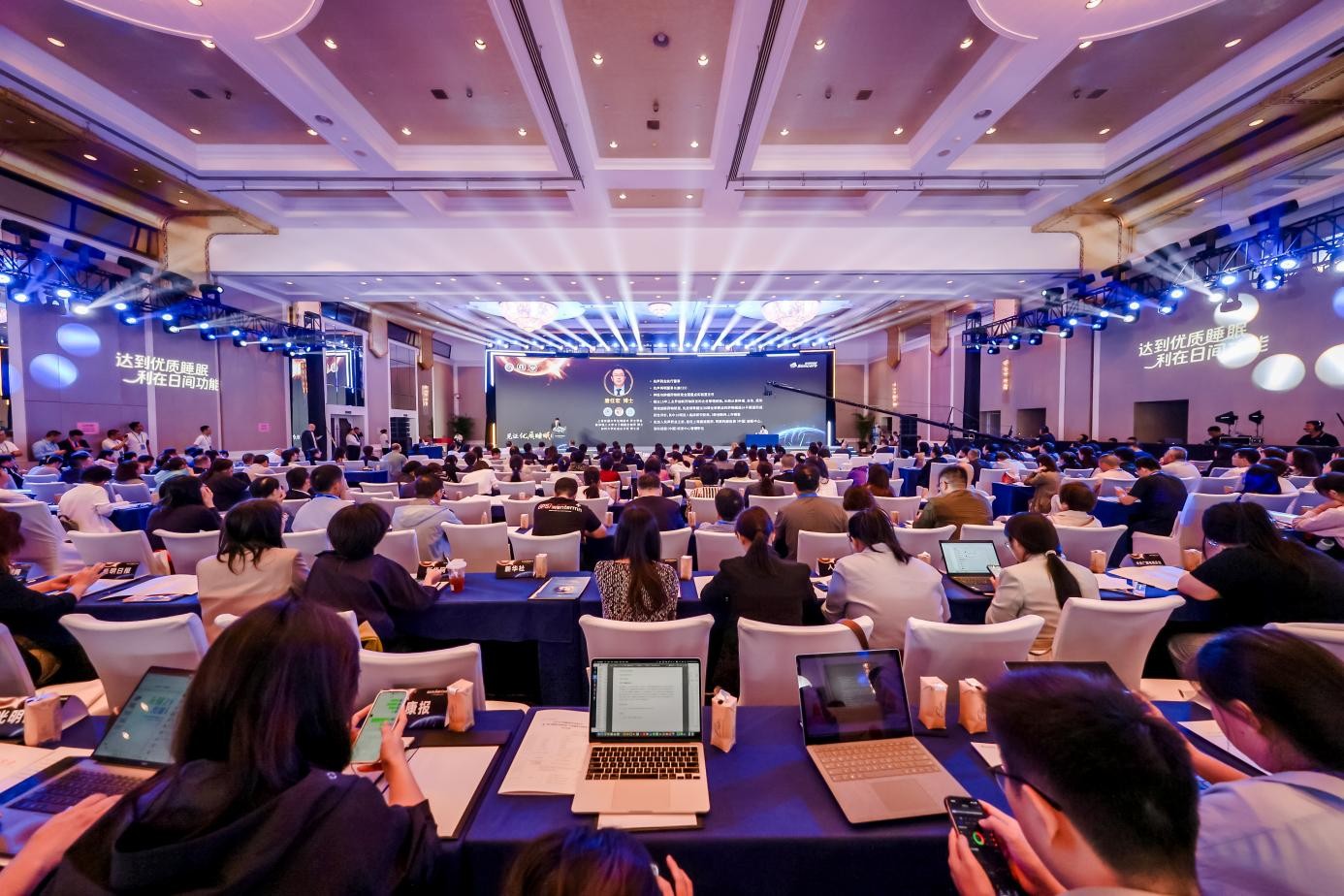
探索睡眠新实践 中国睡眠医学发展论坛举办
Ren Min Wang· 2025-09-23 02:51
Core Insights - The "2025 China Sleep Medicine Development Forum" was held in Beijing, focusing on new data, methods, and initiatives for insomnia treatment to promote national sleep health and contribute to a healthier China [1][4]. Group 1: Sleep Issues in China - The sleep disturbance rate among individuals aged 18 and above in China is 48.5%, indicating a growing public concern regarding sleep quality [4]. - Symptoms of insomnia include difficulty falling asleep, waking up multiple times during the night, early morning awakening, and daytime sleepiness, which, if occurring more than three times a week for over three months, warrant medical consultation [4]. Group 2: Evolving Understanding of Quality Sleep - The understanding of "quality sleep" has evolved to encompass not just nighttime rest but also its impact on daytime mental state, work efficiency, and overall life experience [4]. - The treatment goal for insomnia has shifted from merely achieving sleep to ensuring both good sleep quality and daytime functionality [4]. Group 3: Advances in Sleep Research - The discovery of the orexin system in 1998 has significantly advanced sleep and neuroscience, with the notion that insomnia is fundamentally linked to excessive wakefulness [5]. - Dual orexin receptor antagonists are being explored to help restore natural sleep-wake rhythms, aiming for a balance of good sleep at night and alertness during the day [5]. Group 4: National Initiatives and Projects - The National Health Commission plans to ensure that at least one hospital in every city provides "sleep clinic services" by 2025, as part of its commitment to public health [5]. - A nationwide sleep disorder screening project was launched in 2023, with 266 medical institutions certified to monitor sleep patterns, aiming to reduce healthcare costs and alleviate patient burdens [5].