口琴

Search documents
千年吴歌 今朝新曲——无锡音乐之都的传承与创新
Xin Lang Cai Jing· 2026-01-27 12:40
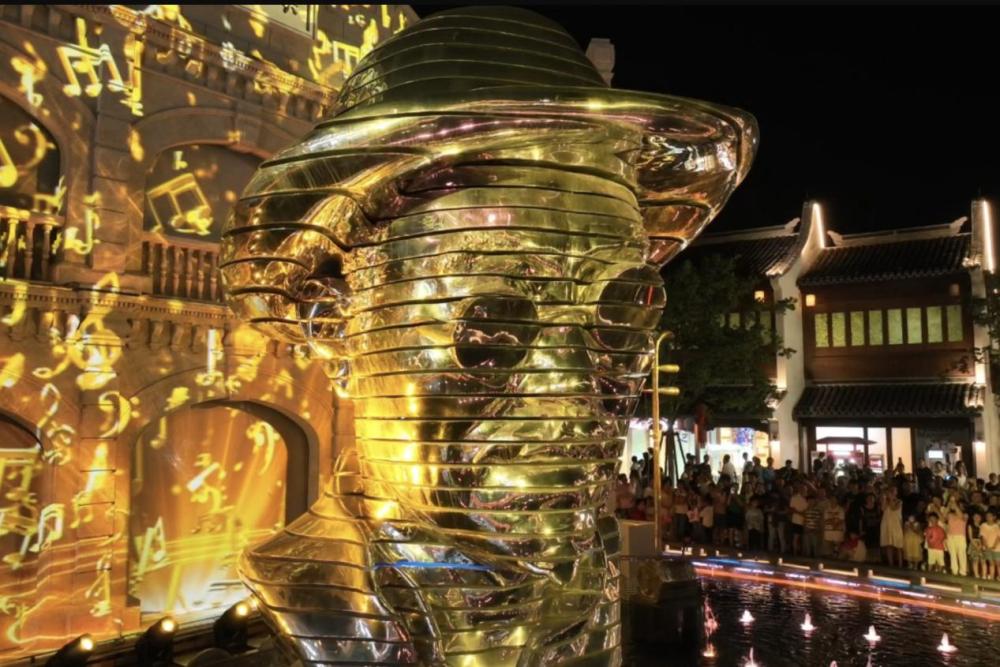
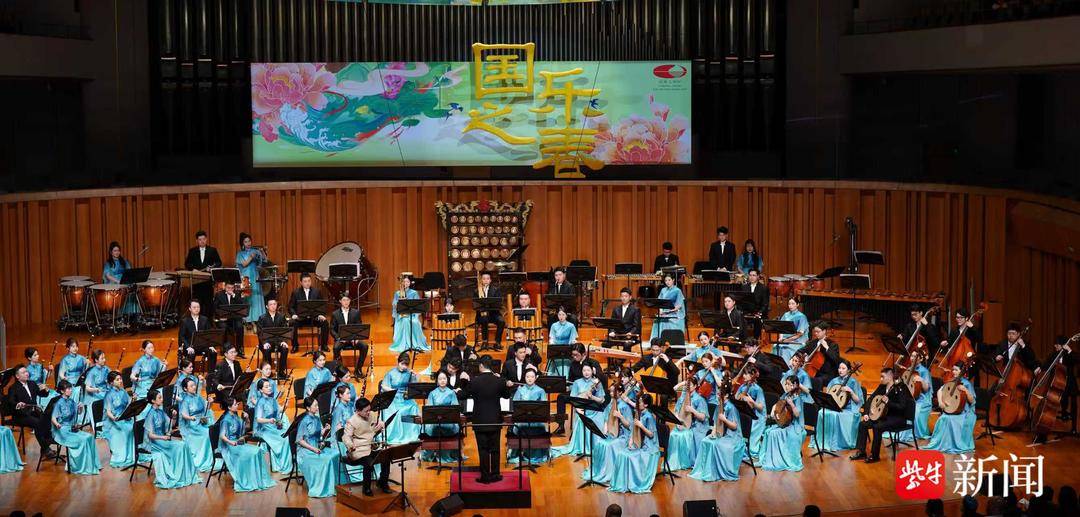
Group 1: Cultural Significance and Heritage - The giant cyberpunk-style sculpture of A Bing in Wuxi's Huishan Ancient Town attracts tourists and symbolizes the cultural heritage of the region, particularly the famous erhu piece "Erquan Yingyue" composed by the wandering artist A Bing [2][4] - The "Meicun" street, located about 20 kilometers from the sculpture, is known as the "Hometown of Erhu" with over ten erhu production workshops, forming a complete industry chain that includes production, display, sales, training, and performance [2][3] Group 2: Erhu Production and Craftsmanship - The production of an erhu involves over 100 processes, with many requiring meticulous craftsmanship; a mid-to-high-end erhu takes approximately 15 days to complete [2][3] - The Meicun Erhu Industry Association emphasizes the use of rare woods and traditional craftsmanship techniques to enhance both the performance and collectible value of the erhu [3] Group 3: Economic Impact and Market Position - Meicun produces nearly 50,000 erhus annually, accounting for about 25% of the national mid-to-high-end erhu market, with an annual output value of nearly 100 million yuan [6] - In contrast, the harmonica industry in Jiangyin has emerged from a different cultural background, achieving a global production share of 60% through modern entrepreneurial spirit and innovation [6][7] Group 4: Cultural Integration and Future Development - Jiangyin plans to cultivate a community of 10,000 harmonica enthusiasts, aiming to transform from a "harmonica manufacturing strong town" to a "harmonica cultural hometown" [7] - The relationship between culture and industry is highlighted, showing that deep cultural roots can provide unique value to industries, while thriving industries support cultural transmission and innovation [7][8] Group 5: Future Initiatives and Events - Wuxi is set to host the "Ben Wu - 'Meizai Meili' New Year National Music Concert" in early 2026, reflecting the city's rich musical heritage [8][9] - The city is developing music-themed tourism routes and integrating cultural experiences, aiming to create a comprehensive cultural complex that includes performances and educational experiences [10]

作为“世界音乐之都”,无锡下一步如何擦亮这一城市新名片?
Yang Zi Wan Bao Wang· 2026-01-24 02:39
Core Viewpoint - Wuxi has been recognized as China's first UNESCO Creative City of Music, marking a significant breakthrough in international communication and highlighting the city's rich musical heritage and diverse music development practices [1]. Group 1: Current Achievements - Wuxi has established a comprehensive music ecosystem consisting of five components: inheritance, exchange, education, popularization, and industry [1]. - The city is home to professional art groups such as the Wuxi National Orchestra and Wuxi Symphony Orchestra, along with landmark cultural spaces like the Wuxi Grand Theatre and Jiangyin Guoyue Island [1]. - Wuxi leads globally in the musical instrument manufacturing industry, with high production and market share for instruments like the erhu and harmonica [1]. - The city conducts over 300 public benefit performances annually, demonstrating significant progress in cultivating music literacy across all age groups [1]. Group 2: Challenges and Areas for Improvement - There is considerable room for improvement in the construction of the World City of Music, including the need to enhance industrial capacity, address talent shortages, and improve spatial layout and international exchange depth [3]. - International communication efforts face challenges, such as insufficient overseas reach of cultural brands and weak collaborative effectiveness in the communication ecosystem [3]. Group 3: Strategic Recommendations - To strengthen the music industry ecosystem, Wuxi should promote the upgrade of the musical instrument manufacturing sector and support collaborations between enterprises and educational institutions for high-tech instrument development [3]. - The city should implement a talent development program to attract renowned international music creators and establish a music talent database [3]. - Wuxi should enhance public music space distribution by creating small music stations in towns and communities, ensuring comprehensive coverage of public music facilities [3]. - Establishing a regular cooperation mechanism with 75 global music cities and organizing annual music seasons and artist residencies is recommended to deepen international exchange [4]. - Improving communication effectiveness through optimized content supply, cross-cultural narratives, and enhanced evaluation mechanisms is essential for expanding international influence [4].
无锡成为中国首个“世界音乐之都”
Xin Hua Ri Bao· 2025-11-02 23:27
Core Points - Wuxi has officially joined the UNESCO Creative Cities Network as a "City of Music," becoming the first city in China to receive this title, enhancing the global presence of Chinese cultural heritage [1][2] - The city plans to integrate cultural development with industry, aiming to innovate cultural expressions and create a model for contemporary practices in Wuxi [1] - Wuxi's rich musical heritage and diverse music ecosystem have been recognized, with historical artifacts and modern musical achievements contributing to this accolade [1] Industry Development - Wuxi has established a comprehensive music ecosystem that includes five key components: inheritance, exchange, education, popularization, and industry [2] - The city is home to professional art groups such as the Wuxi National Orchestra and Wuxi Symphony Orchestra, and it leads the global market in musical instrument manufacturing, particularly in erhu and harmonica production [2] - Music education initiatives like "Erhu in Schools" and "Art Night School" ensure music education is accessible to all age groups, with over 300 community performances held annually [2] Cultural Events - To celebrate its new title, Wuxi has organized the "City of Music Wuxi Carnival," featuring a series of music performances and cultural activities from November 1 to early December, promoting engagement between citizens and visitors [2]
铭记历史 缅怀先烈·抗战歌曲丨歌声悠悠传薪火
Xin Hua Wang· 2025-08-14 11:08
Core Viewpoint - The article highlights the significance of the song "Northeast Anti-Japanese United Army First Route Army Song," written by General Yang Jingyu, in preserving the history and spirit of the Northeast Anti-Japanese United Army, as it continues to be sung and taught in schools today [1][3]. Group 1: Historical Context - The song serves as a powerful emotional link across generations, reflecting the spirit of resistance during the war [3]. - Yang Jingyu, a national hero, not only taught military skills but also instilled morale through military songs among his comrades [1][3]. Group 2: Cultural Significance - The song has become a symbol of revolutionary victory and is celebrated in educational settings, such as Yang Jingyu Primary School, where students learn about the history of the Northeast Anti-Japanese United Army [1][2]. - The Northeast Anti-Japanese United Army Memorial Museum houses artifacts, including a harmonica used by General Yang, which adds to the cultural narrative of the resistance [4][6]. Group 3: Educational Initiatives - The Jilin Yang Jingyu Cadre Academy is actively promoting red culture and the spirit of the Northeast Anti-Japanese United Army through courses that include singing revolutionary songs [6]. - The academy plans to conduct over 200 training sessions from July to September, emphasizing the importance of music in the historical context of the anti-Japanese struggle [6].