司米橱柜

Search documents
ESG月报(2026年2月):欧盟正式确立全球首个永久性碳移除标准-20260310
Huachuang Securities· 2026-03-10 13:14
Industry Development Dynamics - The EU officially established the world's first permanent carbon removal certification standard on February 3, 2026, aiming to transform carbon removal into a "financial-grade" asset[10] - In 2026, China's Ministry of Agriculture will promote a comprehensive green transformation in agriculture, targeting an 80% utilization rate of livestock and poultry manure[9] - The International Energy Agency predicts that by the end of 2030, renewable energy and nuclear power will account for 50% of the global electricity structure[17] ESG Capital Market Dynamics - As of February 28, 2026, the CSI ESG 100 Index showed the best performance, rising by 1.5%, while the Shanghai Composite Index increased by 1.1%[25] - By the end of February 2026, there were approximately 62 ESG-themed public funds with a total net asset of 22.8 billion RMB, with no new ESG funds launched in February[26] - The total number of ESG bonds in China reached 2,790, with a total balance of 39,755 billion RMB, including 12,272 billion RMB in financial bonds, the largest category[32] Risk Factors - Rapid policy changes and uncertainties, slower-than-expected policy implementation, and the impact of the "anti-ESG" wave pose significant risks[38]


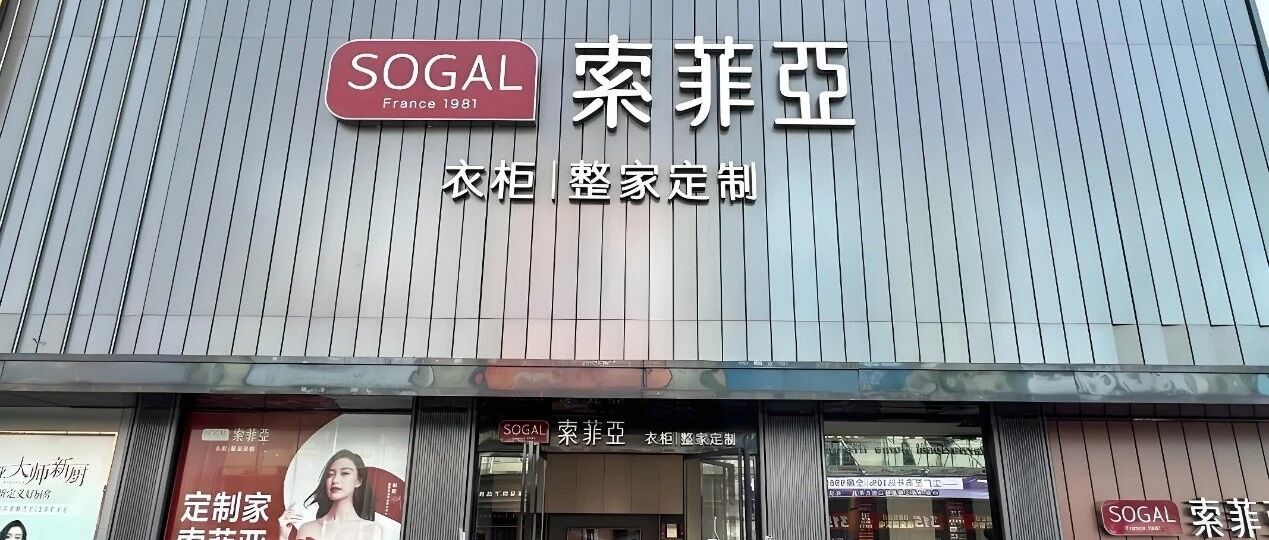
定制家居龙头索菲亚“塌房”:旗下经销商突然跑路,业主称被卷走千万
新浪财经· 2026-02-05 09:35
Core Viewpoint - The recent incident involving the bankruptcy of a distributor under the leading custom home furnishing company, Sophia, highlights significant vulnerabilities in its franchise management system, exacerbated by ongoing challenges in the real estate sector and intensified competition in the home furnishing market [2][14][16]. Summary by Sections Incident Overview - Multiple homeowners reported that a distributor of Sophia's brand, Simi, in Shenzhen suddenly went bankrupt, affecting hundreds of homeowners with an estimated total amount involved reaching millions [2][5]. - Homeowners learned about the distributor's bankruptcy through store employees, who indicated that the owner had absconded with funds, leaving employees unpaid for three months and homeowners without their orders [2][3]. Homeowner Experience - Homeowners had engaged with the distributor through official channels recommended by Sophia, only to discover that their orders were never recorded in Sophia's official system after the distributor's disappearance [3][4]. - The amounts paid by homeowners varied significantly, with some paying between 40% to 80% of the total cost, and others having paid full amounts, with the highest individual payment exceeding 300,000 yuan [4][5]. Franchise Management Issues - The incident is not isolated, as similar cases of distributors defaulting have occurred in various cities, indicating systemic issues in Sophia's franchise management [13][16]. - The lack of effective oversight and control over franchisees has led to repeated incidents, with previous warnings not being taken seriously by the company [13][16]. Financial Performance Challenges - Sophia has been facing declining revenue, with a reported 10% year-over-year decrease in revenue for 2024, totaling 10.49 billion yuan, and an 8.46% decline in the first three quarters of 2025 [14][16]. - The company's net profit has also seen a significant drop, with a 26% year-over-year decrease in the first three quarters of 2025, amounting to 681 million yuan [14][16]. Brand and Market Position - The performance of Sophia's various brands has shown increasing divergence, with the main brand experiencing revenue declines while sub-brands like Simi are incurring losses, further straining the company's overall financial health [16]. - The recent bankruptcy incident has acted as a catalyst, exposing long-standing issues related to franchise management, brand oversight, and revenue growth challenges that Sophia must address to restore its market position and brand reputation [16].