咖啡智驾

Search documents
融了20亿的超级独角兽,停工了
凤凰网财经· 2025-12-06 12:39
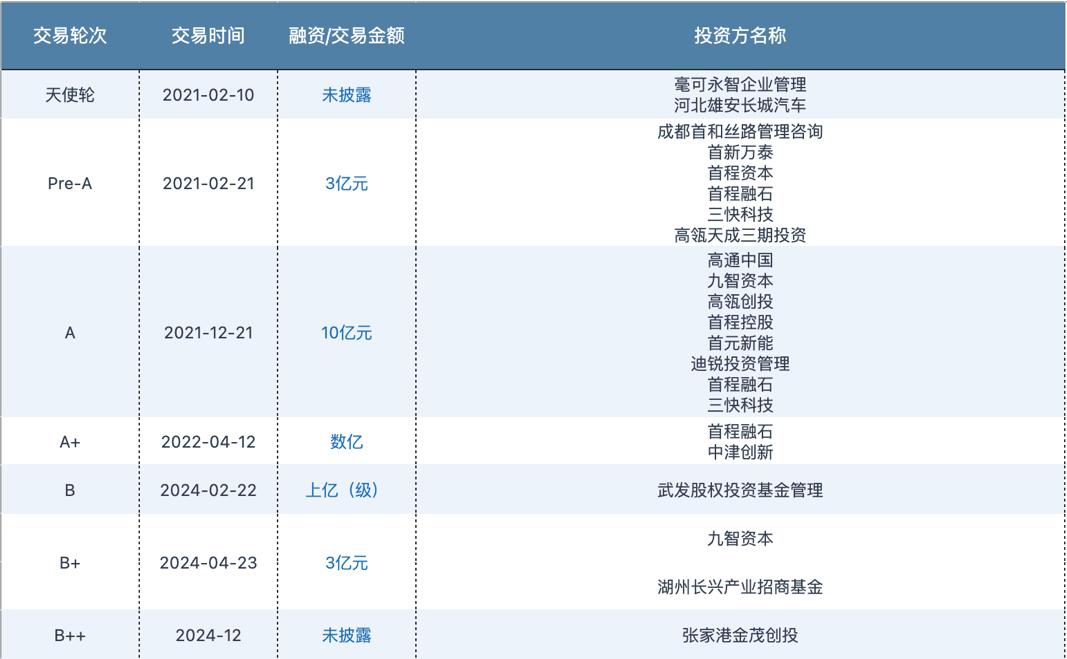
Core Viewpoint - The sudden halt of the autonomous driving company, Haomo Zhixing, reflects the challenges faced by firms in the autonomous driving sector, particularly those reliant on a single major partner like Great Wall Motors [4][15]. Group 1: Company Background and Development - Founded in 2019, Haomo Zhixing emerged as a latecomer in the autonomous driving industry, entering during a critical transition from hype to rational investment [5]. - The company was established as a spin-off from Great Wall Motors, aiming to develop autonomous driving technology independently, with a strong leadership team from the parent company [6]. - Haomo Zhixing quickly gained attention, achieving significant milestones such as the launch of its HPilot system across over 20 vehicle models and generating over 100 million yuan in revenue by the end of 2021 [7]. Group 2: Challenges and Setbacks - The company's decline began with delays in launching its urban NOH feature, which was initially promised for late 2022 but failed to materialize, leading to a loss of confidence from Great Wall Motors [8]. - As Great Wall Motors began to seek alternatives, such as partnerships with other firms like Yuanrong Qixing, Haomo Zhixing found itself increasingly marginalized [8]. - Internal turmoil became evident with reports of layoffs and high-level departures, including key executives, indicating deeper issues within the company [13]. Group 3: Financial and Investment Landscape - Haomo Zhixing has raised approximately 2 billion yuan across seven funding rounds, with significant investments from major players like Meituan and Hillhouse Capital, achieving a valuation exceeding 1 billion USD [9][10]. - The company had plans for an IPO, initially targeting the Sci-Tech Innovation Board in 2020 and later considering a Hong Kong listing in 2024, but these plans have faced setbacks [10][12]. - Despite a promising start, the company has struggled to secure new funding and maintain operational stability, leading to a cash flow crisis and delayed salary payments to employees [13]. Group 4: Industry Context and Future Outlook - The autonomous driving sector is experiencing a competitive phase, with a notable shift in investment focus towards established players, highlighting a "Matthew Effect" where resources concentrate among the most successful firms [14]. - Haomo Zhixing's situation serves as a cautionary tale for other companies dependent on a single major partner, emphasizing the risks associated with such business models [15].



融了20亿的超级独角兽,停工了
3 6 Ke· 2025-12-06 08:01
Core Viewpoint - The sudden announcement of a work stoppage at Haomo Zhixing has led to a complete halt in operations, raising concerns among employees about compensation and future arrangements [1][2]. Company Background - Founded in 2019, Haomo Zhixing emerged as a latecomer in the autonomous driving sector, entering a market that was transitioning from hype to rational pursuit [3]. - The company was established as a spin-off from Great Wall Motors, aiming to focus on autonomous driving technology amid industry transformation [4]. - Haomo Zhixing's leadership includes experienced executives from Great Wall Motors, reflecting the company's ambitious goals in the autonomous driving space [4][5]. Growth and Achievements - Haomo Zhixing quickly gained attention in the industry, developing a data intelligence system and launching its HPilot system across over 20 vehicle models, achieving over 1 billion yuan in revenue by the end of 2021 [7]. - The company reported a total driving distance of over 250 million kilometers by 2024, showcasing its rapid growth in user engagement [7]. Challenges and Decline - Despite initial success, Haomo Zhixing faced significant challenges, including delays in product delivery and the inability to launch its urban NOH feature, which contributed to its decline [8][9]. - The company began to lose favor with Great Wall Motors, which started exploring partnerships with other firms for smart driving solutions, further marginalizing Haomo Zhixing [9]. Financial Backing and IPO Plans - Haomo Zhixing has attracted substantial investment, raising approximately 2 billion yuan across seven funding rounds, with notable investors including Meituan and Hillhouse Capital [10][12]. - The company had plans for an IPO, initially targeting the Sci-Tech Innovation Board in 2023, but faced delays and is now considering a potential listing in Hong Kong in 2024 [13]. Internal Turmoil - Internal issues have been evident, with reports of layoffs and high-level executive departures, indicating a deteriorating organizational structure [14]. - Financial difficulties have emerged, with cash flow issues leading to delayed salary payments and challenges in meeting business targets [14]. Industry Context - The autonomous driving sector is experiencing a competitive landscape, with significant investment activity and a trend towards consolidation among major players [15]. - Haomo Zhixing's situation serves as a cautionary tale for companies reliant on single corporate partners, highlighting the risks of dependency in a rapidly evolving industry [15].
长城前AI Lab负责人杨继峰加盟优必选,主攻智慧物流
3 6 Ke· 2025-10-28 08:33
Core Insights - Yang Jifeng, former head of AI Lab at Great Wall Motors, has joined UBTECH as a technical partner and co-CEO of its logistics subsidiary UQI, leveraging his AI and mass production experience in the automotive industry for humanoid robot commercialization, particularly in smart logistics scenarios [1][3][4] Group 1: Background of Yang Jifeng - Yang Jifeng entered the autonomous driving field in 2014, holding significant positions at FAW-Volkswagen Audi, Shenzhen Yicheng Autonomous Driving, and the China Electric Vehicle Hundred People Association Innovation Center [3] - After joining Great Wall Motors in 2021, he served as Senior Director of the Intelligent Center, overseeing the implementation of smart cockpit and AI assistant products, and later led the establishment of Great Wall Motors AI Lab, focusing on AI model development [3][4] - He also served as CTO of Caresoft Global, managing a research team of over 2,000 and establishing R&D and data centers in multiple countries [3] Group 2: UBTECH and UQI's Strategic Focus - UQI, the smart logistics subsidiary of UBTECH, aims to efficiently and cost-effectively transform existing technology into stable and reliable commercial products, with a focus on B-end scenarios [3][4] - The logistics and "pan-logistics" sectors, including warehousing, sorting, and factory transportation, are viewed as promising application areas for humanoid robots, with UQI tasked with executing UBTECH's initiatives in this domain [3][4] Group 3: Technological Synergy - Humanoid robots in logistics require advanced capabilities in environmental perception, autonomous navigation, dynamic obstacle avoidance, and collaborative decision-making, aligning closely with Yang Jifeng's previous work in the "Coffee Intelligent Driving" project [4] - Yang Jifeng's experience in implementing complex AI projects in the automotive sector will support UQI in advancing its smart logistics initiatives [4] - The recruitment of executives with substantial mass production experience reflects a trend of convergence between the smart automotive and humanoid robot sectors, facilitating the application of automotive AI mass production experience to humanoid robots in logistics scenarios [4]