咖啡鲜果

Search documents
云南咖啡"赌徒"的生死局:有人翻倍赚钱,有人一夜亏掉几十万
3 6 Ke· 2026-02-13 02:34
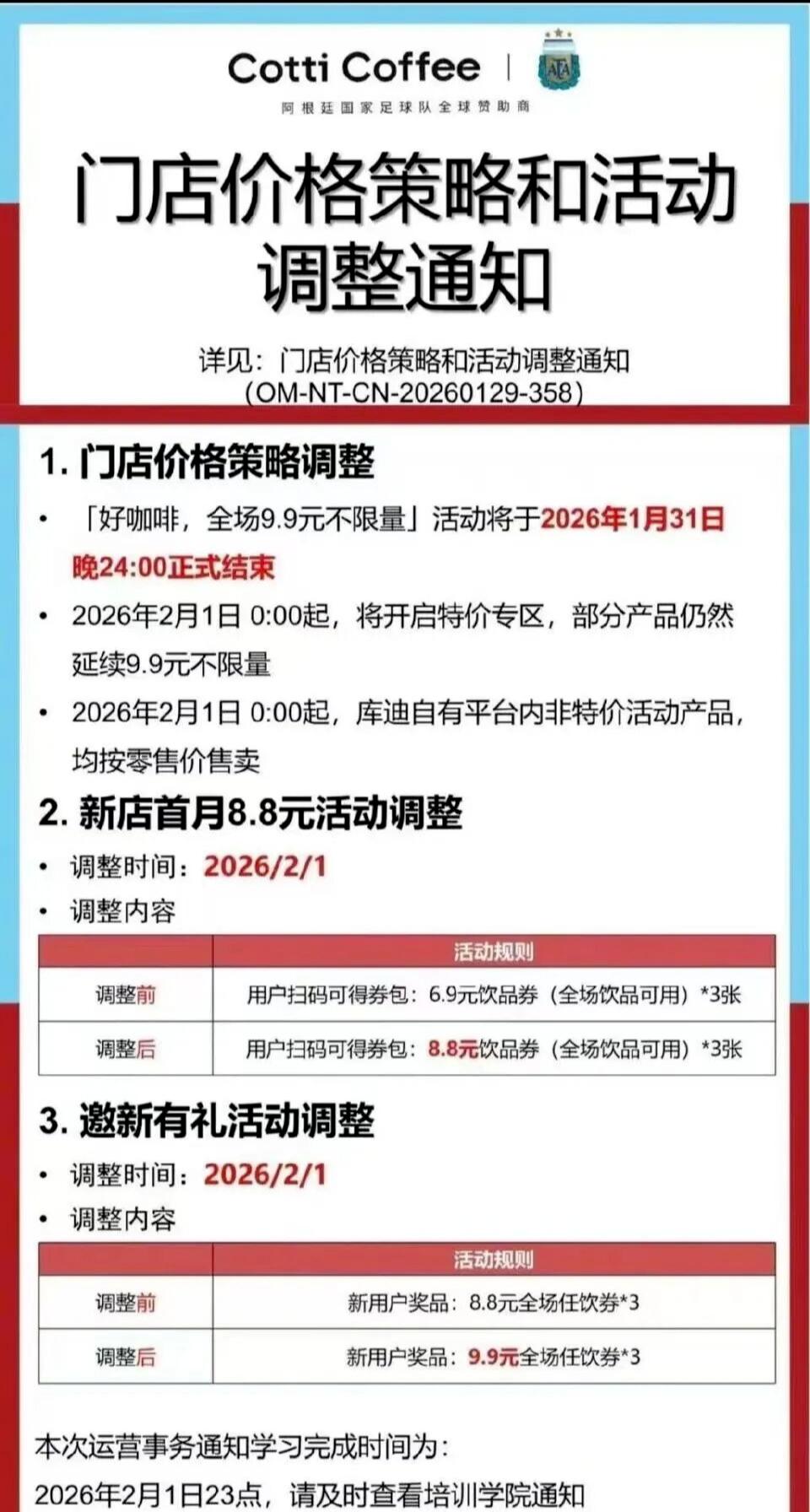
Core Viewpoint - The coffee industry in China is experiencing a significant transformation, marked by a price war among brands like Cotti Coffee and Luckin Coffee, leading to unsustainable pricing models and a potential reckoning for both producers and consumers [1][4][5]. Group 1: Price Dynamics - Cotti Coffee has recently removed its "all drinks at 9.9 yuan" promotion, indicating a shift towards a more sustainable pricing strategy as the company aims to recover losses [1][5]. - Luckin Coffee has also begun to reduce its subsidy strategy, with most products returning to a price range of 10-15 yuan, reflecting the unsustainable nature of the previous pricing model [1][5]. - The cost of coffee beans has surged due to international supply constraints, pushing the price of raw coffee beans close to historical highs, while consumer prices have plummeted to levels comparable to bottled water [1][4]. Group 2: Market Conditions - The coffee market in Yunnan is witnessing a dramatic increase in the price of fresh coffee cherries, with prices reaching around 9-11.5 yuan per pound, compared to just 2 yuan in previous years [6][8]. - The profitability for coffee farmers in Yunnan has soared, with reported profit margins nearing 200% over the past five years, attracting significant capital into coffee cultivation [12][14]. - The current market dynamics are heavily influenced by external factors such as climate change in Brazil, which has led to a spike in global coffee prices, further complicating the pricing landscape for Yunnan coffee [11][12]. Group 3: Industry Challenges - The coffee industry is facing a critical juncture where the low-price strategy has led to a lack of brand loyalty among consumers, with many opting for the cheapest option available [5][17]. - The operational costs for coffee brands have escalated, with delivery and platform fees consuming up to 68% of operational costs, making the 9.9 yuan pricing model increasingly untenable [5][12]. - The speculative behavior among traders in Yunnan, driven by high prices, poses risks as many are left vulnerable to market fluctuations, leading to significant financial losses [9][14]. Group 4: Future Outlook - The coffee industry may be on the brink of a forced maturation, moving away from unsustainable subsidies and speculative practices towards a focus on quality and profitability [17][18]. - As new coffee plantations begin to yield fruit in the coming years, there is a risk that increased supply could coincide with a decline in global demand, potentially leading to a repeat of past market corrections [17][18].

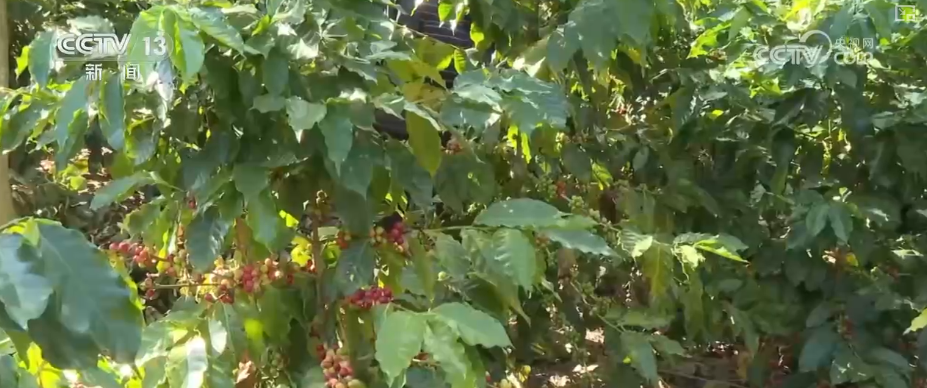
“服务+科技”擦亮特色产业“金字招牌” 农户增收“节节高”
Yang Shi Wang· 2025-12-02 04:32
Group 1: Coffee Industry in Yunnan - The coffee harvest season in Yunnan's Lincang City has begun, with 230,000 acres of coffee fresh fruit being collected by farmers [2] - In the Yunnan Lincang City, over 500 acres of coffee gardens in Yunfeng Community are filled with ripe coffee cherries, which are being harvested and sent to collection points [3] - The purchase price of coffee fresh fruit is expected to rise from 8 yuan per kilogram in 2024 to 9.6 yuan in 2025, attributed to refined harvesting techniques and training for farmers [5] - The establishment of multiple coffee estates has enhanced the annual processing capacity of coffee fresh fruit, providing a stable purchasing platform for farmers [7] Group 2: Lemon Industry in Sichuan - In Chengdu's Jianyang City, 4,500 acres of lemons are being harvested, with local export bases facilitating the export of processed lemons to over twenty countries, making "small lemons" a significant industry for rural revitalization [8] - Lemons are quickly processed at nearby export bases after harvesting, utilizing automated cleaning, sorting, and packaging within two hours [11] - The "Internet + Customs" platform allows for efficient export declaration and inspection, enabling direct supply to international markets through Tianfu Airport or China-Europe Railway [12] - The operation of the lemon export base has engaged over 2,000 local farming households, with an average annual income increase of around 20,000 yuan per household [12]
咖啡豆价格狂飙,云南豆商却在赔钱
虎嗅APP· 2025-02-27 13:21
Core Viewpoint - The coffee bean market is experiencing unprecedented volatility, driven by a significant increase in prices due to supply constraints, particularly from Brazil, which has led to a surge in coffee futures prices to historical highs [1][4][14]. Group 1: Price Dynamics - Coffee futures prices have risen dramatically, reaching a peak of 440 cents per pound, up over 62% from 270.72 cents per pound in November of the previous year [1]. - In Yunnan, the purchase price for coffee beans has soared to 64.5 yuan per kilogram, nearly doubling compared to the previous harvest season [2]. - The price of fresh coffee cherries has increased to 11 yuan per kilogram, compared to only 1.2-1.3 yuan six years ago, reflecting a broader trend of rising costs in the coffee supply chain [14]. Group 2: Market Challenges - The coffee processing trade is facing significant pressure, with farmers and processing plants raising prices while buyers are reluctant to increase their purchase prices, leading to a squeezed margin for traders [3][4]. - The market is characterized by a rapid turnover of transactions, with companies needing to adapt quickly to fluctuating prices, often resulting in losses on contracts due to rising costs [5][6][16]. - The domestic demand for coffee has outstripped supply, leading to a reduction in exports and a shift in focus towards local consumption, which has further exacerbated price increases [12][13]. Group 3: Supply Chain Issues - The coffee production cycle is affected by environmental factors, with a significant reduction in yield expected this year due to adverse weather conditions, potentially leading to a 30% decrease in output [14]. - The processing time for coffee beans has increased, with companies facing longer cash flow cycles due to the need for upfront payments and the rising costs of raw materials [19]. - The competition for sourcing coffee beans has intensified, with companies needing to actively seek out suppliers rather than relying on traditional procurement methods [19][21]. Group 4: Future Outlook - The rising prices of coffee beans are making it increasingly difficult for brands to maintain low-priced products, with estimates suggesting that a cup of coffee could cost around 1.7 yuan just for the coffee powder alone, not accounting for other costs [28]. - Companies are adjusting their procurement strategies, often reducing order sizes to mitigate risks associated with price volatility, which could lead to supply shortages in the future [23][29]. - The long-term sustainability of the coffee market may be at risk if supply begins to exceed demand in the coming years, potentially leading to a price collapse [29].