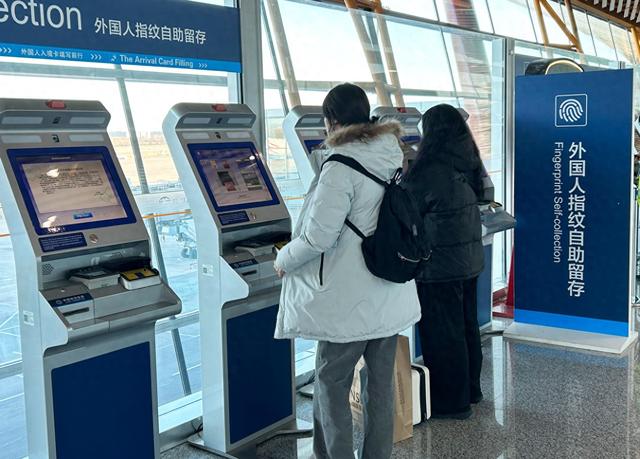
哈尔滨旅游产品

Search documents
中国冰城劲刮“东南风”
Jing Ji Ri Bao· 2026-01-31 22:34
Core Insights - The influx of Southeast Asian tourists to Harbin, China, has significantly increased, with a 57% rise in bookings for the 2025/2026 winter season, driven by a shift in the demographic of travelers towards younger generations seeking unique experiences [2][3] Group 1: Tourist Demographics and Behavior - The primary growth in tourist numbers includes not only traditional markets like Thailand and Malaysia but also emerging markets such as the Philippines, Myanmar, Indonesia, and Cambodia [2] - Young travelers from Southeast Asia prefer independent travel and immersive experiences over traditional group tours, indicating a shift in consumer behavior [2][5] Group 2: Unique Attractions and Experiences - Harbin's unique climate and cultural offerings, including ice sculptures and local cuisine, attract tourists from warmer regions, making winter experiences highly desirable [3][4] - The appeal of Harbin lies in its combination of Chinese Northeast culture and European architectural influences, providing a rich and diverse experience for visitors [3] Group 3: Policy and Infrastructure Support - The relaxation of visa policies, including a 285.3% increase in foreign tourists entering through Harbin's airport since the implementation of new transit visa policies, has facilitated easier access for Southeast Asian travelers [4] - Increased flight connectivity, with numerous direct flights from Vietnam and new routes to Thailand, supports the growing demand for travel to Harbin [4] Group 4: Economic Impact and Cultural Exchange - The surge in tourism has transformed Harbin's consumption landscape, with visitors willing to spend on unique local products and experiences, thus benefiting various sectors such as dining, accommodation, and cultural products [5][6] - The international ice and snow festival in Harbin has introduced a "guest country" system, enhancing cultural exchange and showcasing international cultures through local events [6][7]
第一批反季来中国的老外,爽歪了
3 6 Ke· 2026-01-14 03:33
Core Insights - The influx of Russian tourists to Sanya has surpassed visitors from other countries, prompting local hotels to adapt by training staff in Russian language skills to enhance customer service [1][3] - The demand for Russian-speaking tour guides has surged, with daily wages reaching 500 yuan, reflecting a significant shift in the tourism landscape [3] - Sanya's hotel prices have increased due to the high demand from individual travelers booking through overseas platforms, despite a decrease in group bookings [3][9] Group 1: Sanya's Tourism Dynamics - Russian tourists are increasingly favoring Sanya as a vacation destination due to the challenges in obtaining Schengen visas, leading to a 200% increase in travel agency orders for Hainan [9][11] - The local economy is benefiting from the high spending power of Russian visitors, who are engaging in various activities such as dining and wellness treatments, significantly boosting hotel and restaurant revenues [3][11] - The introduction of direct flights from multiple Russian cities to Sanya has facilitated this tourism boom, with 25 weekly flights currently operating [11][12] Group 2: Harbin's Tourism Growth - Harbin is experiencing a surge in Southeast Asian tourists, with a 57% increase in bookings for winter tourism products, driven by the newly established direct flight routes [6][15] - The appeal of Harbin lies in its unique winter experiences, which are now more accessible due to reduced travel complexities, attracting tourists who previously found it difficult to visit [14][15] - Local businesses in Harbin are enhancing their services to cater to Southeast Asian visitors, including providing warm amenities and language support, which has improved the overall tourist experience [27] Group 3: Changing Consumer Behavior - Russian tourists are shifting from traditional beach relaxation to a deeper cultural engagement, seeking experiences that include local traditions and wellness practices [25][27] - The long-term stay of Russian families in Sanya is reshaping the local accommodation market, with increased demand for serviced apartments and long-term rentals [25] - In Harbin, the focus on customer service and comfort for Southeast Asian tourists is becoming a competitive advantage, with businesses adapting to meet the specific needs of these visitors [27]


第一批反季来中国的老外,最爱哈尔滨与三亚
3 6 Ke· 2026-01-14 02:17
Core Insights - The influx of Russian tourists to Sanya has significantly increased, surpassing visitors from other countries, leading to a shift in local hospitality practices and language training for staff [1][2] - Sanya has become a preferred destination for Russian travelers due to its favorable climate and cultural familiarity, while Harbin attracts Southeast Asian tourists seeking unique winter experiences [4][10] - The changing demographics of tourists are prompting local businesses to adapt their services and offerings to meet new consumer preferences [25][26] Group 1: Russian Tourists in Sanya - Russian tourists now dominate the visitor demographic in Sanya, with hotel staff learning Russian to cater to this market [1] - The demand for Russian-speaking tour guides has surged, with wages reaching 500 yuan per day, comparable to Japanese guides [1] - The number of Russian tourists booking trips to China has increased by 3.5 times since the introduction of visa-free entry, with Sanya accounting for 88% of bookings [2][3] Group 2: Changes in Tourist Behavior - Russian visitors are not just looking for leisure; they are interested in cultural experiences, leading to a rise in demand for local cultural activities and wellness services [20][21] - The average stay for Russian tourists has lengthened, with many opting for longer-term accommodations that allow for a more local lifestyle [19] - Approximately 35% to 40% of Russian families are traveling with children, increasing the demand for family-friendly activities in Sanya [20] Group 3: Southeast Asian Tourists in Harbin - Southeast Asian tourists are increasingly visiting Harbin, with a 57% year-on-year increase in bookings for winter tourism products [3] - Direct flights from Southeast Asia to Harbin have made travel more accessible, allowing tourists to experience winter activities without lengthy layovers [12] - Harbin is enhancing its service offerings to cater to the needs of Southeast Asian visitors, including providing warm amenities and language support [23][24] Group 4: Economic and Service Adaptations - The growth in Russian and Southeast Asian tourism is prompting local businesses to adjust their service protocols to better meet the needs of these new demographics [25][27] - The integration of local payment systems and services has improved the overall experience for Russian tourists, with 80% of transactions now conducted in local currency [9] - The hospitality industry is witnessing a shift from traditional Western markets to neighboring countries, highlighting the importance of regional tourism dynamics [16][26]
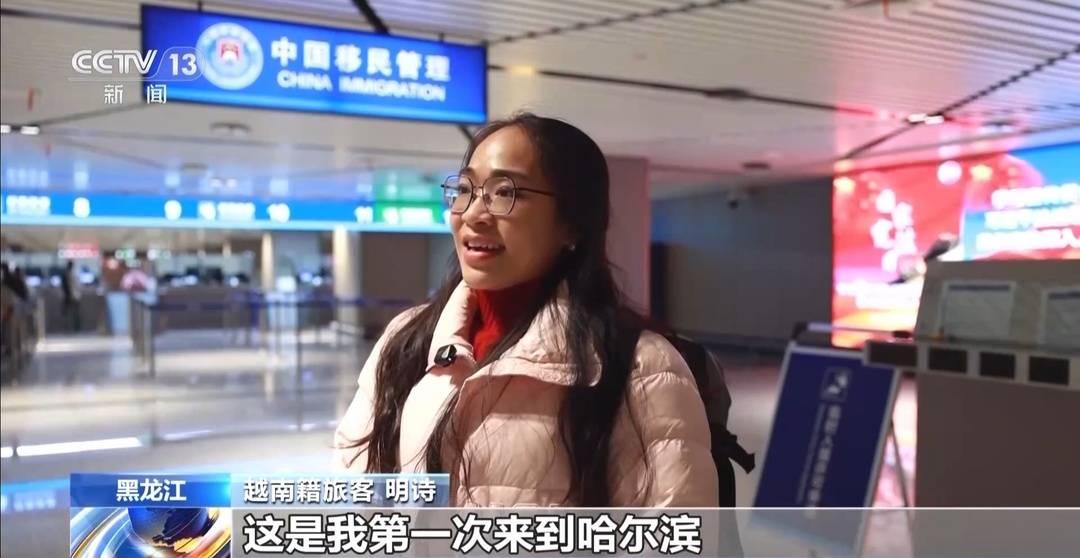
中国正在成为全球旅行的“新中心”
Xin Lang Cai Jing· 2025-12-19 10:13
Core Viewpoint - China's visa-free entry policy, expanded transit visa program, and other facilitation measures are positively impacting global tourism, creating a smoother travel experience for international visitors [1][3]. Group 1: Impact on Global Tourism - The World Travel and Tourism Council (WTTC) CEO highlighted that China's tourism industry is thriving, driven by its rich cultural heritage, vibrant cities, diverse natural landscapes, and high-quality infrastructure, attracting global tourists [1]. - The combination of the 240-hour visa-free transit policy and optimized tax refund measures is effectively converting inbound tourist flow into economic growth, becoming a significant driver for consumption upgrades and regional development [3]. Group 2: Economic Contributions and Growth Projections - By 2025, China's tourism industry is projected to contribute $1.9 trillion to the economy, with a growth rate of 15.8%, significantly surpassing the global average of 7.7%. Inbound tourist spending is expected to reach $144.1 billion, while domestic tourism consumption is projected to approach $968 billion [4]. - The tourism sector is anticipated to support 83.4 million jobs, establishing itself as a benchmark for employment across various industries in China [4]. Group 3: Visitor Statistics and Trends - From January to August, China recorded 460 million inbound travelers, including 51.3 million foreigners, marking a 27.8% year-on-year increase. Visa-free foreign visitors accounted for 15.89 million, representing 62.1% of total foreign arrivals, with a 52.1% increase [7]. - The recovery rate for inbound tourism in China reached 123% by 2025, significantly exceeding global and Asia-Pacific averages, with inbound visitor numbers doubling year-on-year [7]. Group 4: Regional Tourism Development - Cities like Shanghai, Beijing, and Chengdu saw inbound visitor numbers increase by over 90%, while Chongqing experienced a remarkable 170% growth [7]. - Harbin has emerged as a leading winter tourism destination, attracting significant international interest, particularly from Southeast Asia, with a 57% year-on-year increase in bookings for Harbin tourism products [9][10].