哪吒仙饮

Search documents
6亿播放,全网追更,国内最生猛“创业真人秀”让我老实打工
3 6 Ke· 2026-01-30 01:42
Core Viewpoint - The rise of "Yong Ge's Restaurant Entrepreneurship" live streaming highlights the harsh realities of entrepreneurship, particularly in the competitive restaurant industry, where the expectation of quick profits often leads to significant losses and failures [1][16]. Group 1: Entrepreneurial Insights - The live streaming platform has transformed into a popular "Chinese entrepreneurship reality show," showcasing various entrepreneurs sharing their experiences, which often serve as cautionary tales [1][4]. - Many participants in the live streams are individuals who have invested in franchises or businesses without proper research, leading to financial losses [2][10]. - The concept of "county middle-class bankruptcy" has emerged, warning against common pitfalls in the restaurant sector, particularly in coffee, milk tea, hamburgers, and baking [12][16]. Group 2: Business Models and Challenges - The main business model of "Yong Ge's Restaurant Entrepreneurship" involves charging for consultation services, with participants paying over 300 yuan for advice, which serves as a barrier to entry for less serious individuals [4][5]. - Many entrepreneurs fall victim to "fast recruitment" scams, where they are misled into believing they can quickly open profitable businesses without understanding the underlying risks [13][14]. - The live stream often features a formulaic approach to diagnosing business problems, emphasizing the importance of understanding market dynamics and operational management [8][10]. Group 3: Economic Context - From 2015 to 2025, the per capita disposable income in China nearly doubled from approximately 22,000 yuan to 43,000 yuan, indicating a growing economic pressure on middle-class individuals in counties [15]. - The psychological profile of county middle-class individuals often includes a desire for stability while simultaneously seeking entrepreneurial opportunities, making them susceptible to scams promising quick returns [16][15]. - The challenges faced by older workers and those in rural areas, including reduced job opportunities and lower income, further complicate the entrepreneurial landscape [15].



一杯哪吒仙饮,踹碎多少县城老板创业梦?
3 6 Ke· 2025-11-28 10:48
Core Viewpoint - The rise of "Nezha Xianyin" as a trending beverage brand highlights the market's inherent flaws, including spontaneity, blindness, and lag, which can lead to misguided entrepreneurial ventures [1][5]. Group 1: Market Dynamics - The concept of "Nezha Xianyin" reflects the impulsive nature of market behavior, where individual decision-making is often influenced by short-term trends and misleading signals [5]. - Entrepreneurs misjudged the commercial potential of the "Nezha" IP, leading to blind investments in the brand without adequate market analysis [5][11]. - The market's adjustment to consumer demand is often delayed, resulting in a mismatch between supply and demand, as seen with the fluctuating interest in "Nezha" merchandise [5][11]. Group 2: Entrepreneurial Challenges - The owner of "Nezha Xianyin" faced significant public scrutiny and skepticism regarding the viability of the business, which was exacerbated by the online community's reactions [4][8]. - Despite the challenges, the owner maintained a defiant stance, emphasizing product quality and resilience against criticism [4][5]. - The brand's trajectory has become a symbol of impulsive entrepreneurship, attracting both ridicule and support from the online community [4][8]. Group 3: Franchise and Investment Issues - The company "Nezha Xianyin (Shandong) Beverage Group Co., Ltd." was dissolved in December 2024, raising concerns about the legitimacy of its franchise operations [7]. - The current franchise operator, "Hangzhou Fenghuolun Catering Management Co., Ltd.," has reported zero employees in 2024, indicating potential operational issues [7]. - The franchise model has been linked to broader issues in the tea beverage industry, where misleading recruitment practices have been identified [9][11]. Group 4: Consumer Behavior - The brand has gained traction among younger consumers, who view it as a social experience, contributing to its popularity despite underlying business challenges [11][13]. - The phenomenon of "Nezha Xianyin" illustrates how social media can drive consumer interest and foot traffic, even for brands with questionable business models [11][13].
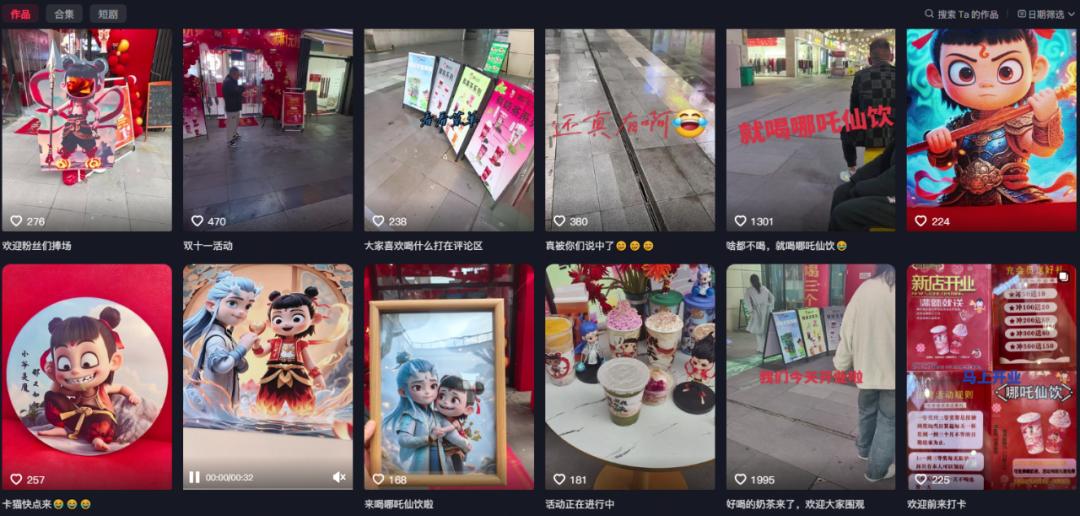
一场精心策划的“智商税”,收割了多少想暴富的县城青年
首席商业评论· 2025-11-27 04:12
Core Viewpoint - The article discusses the rise and fall of the brand "Nezha Xianyin," highlighting the humorous yet critical public perception of its business model and the challenges faced by its franchisees [5][7][12]. Group 1: Brand Perception and Public Reaction - "Nezha Xianyin" is perceived as a brand that humorously exploits the popularity of the "Nezha" IP, leading to a mix of ridicule and ironic support from the public [5][8]. - The brand's marketing strategy has sparked a wave of online engagement, with users creatively promoting it despite acknowledging its flaws, thus creating a viral phenomenon [9][12]. - The public's reaction includes exaggerated claims about the brand's appeal, with some even suggesting it has magical qualities to attract customers, showcasing a blend of satire and genuine interest [9][12]. Group 2: Franchise Challenges and Business Model - Many franchisees have reported significant difficulties, including poor location choices and low sales, leading to financial losses and store closures [7][13]. - The franchise model has been criticized for its lack of transparency, with many franchisees feeling misled about the brand's potential and operational support [17][19]. - The article reveals that the parent company of "Nezha Xianyin" has been involved in questionable practices, including a lack of operational legitimacy and a history of company cancellations, raising concerns about the brand's sustainability [12][13]. Group 3: Fast Franchise Model Risks - The article highlights the risks associated with "fast franchise" models, where companies lure potential franchisees with low entry costs and high returns, often leading to exploitation [17][19]. - Many entrepreneurs fall victim to these schemes due to a lack of understanding of the franchise process and the importance of verifying company credentials [19]. - The narrative emphasizes that while the new tea beverage market may still hold potential, the allure of easy profits can lead to significant losses for those who do not conduct thorough due diligence [19].
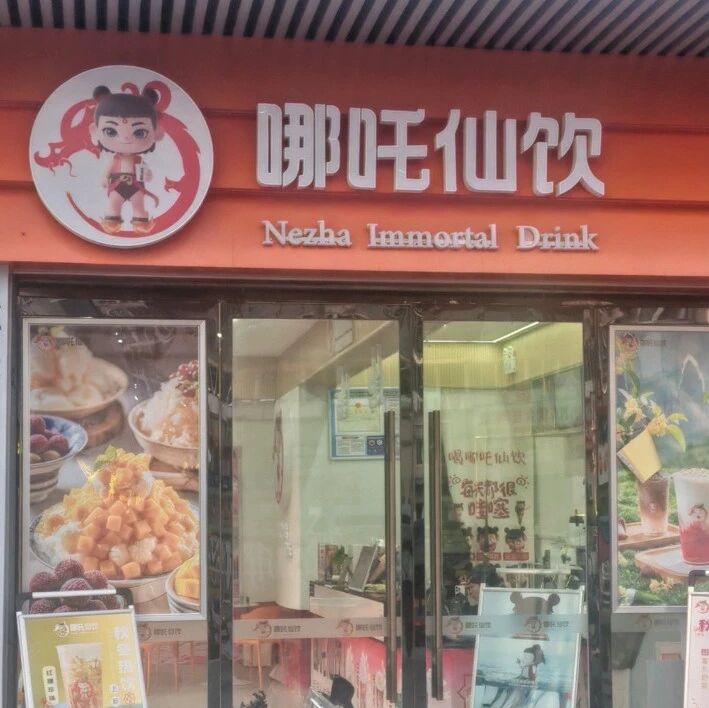
一场精心策划的“智商税”,收割了多少想暴富的县城青年
3 6 Ke· 2025-11-25 05:56
Core Viewpoint - The article discusses the rise and fall of the brand "Nezha Xianyin," which has gained popularity through social media humor and irony, despite having numerous operational issues and a questionable business model [1][4][14]. Group 1: Brand Perception and Popularity - Nezha Xianyin has been humorously dubbed as the "new emperor of milk tea" and "the only true god of sweet water" by netizens, showcasing its viral status despite being relatively unknown [1]. - The brand's marketing strategy has led to a wave of ironic praise from users, who engage in a form of "reverse promotion," creating a spectacle around the brand [9][14]. - Users have humorously claimed that even those living abroad prioritize drinking Nezha Xianyin upon returning home, indicating a strong cultural resonance [11]. Group 2: Operational Challenges and Franchise Issues - Many franchisees have reported significant operational challenges, including low foot traffic and poor sales, leading to financial struggles and store closures [7][21]. - The brand's franchise model has been criticized for misleading potential franchisees, with claims that it is a sub-brand of a more established company, leading to poor site selections and low revenue [5][22]. - Reports indicate that the parent company of Nezha Xianyin had been dissolved, raising concerns about the legitimacy and sustainability of the franchise operations [15][19]. Group 3: Franchisee Experiences and Financial Implications - Franchisees have faced high initial costs, with total investments exceeding 200,000 yuan, yet many struggle to achieve sustainable sales, relying heavily on promotional tactics [21][25]. - The article highlights the common pitfalls of "fast franchise" companies, which often lure entrepreneurs with low barriers to entry but fail to deliver on promises of support and profitability [27][29]. - Many franchisees, unaware of the risks, fall victim to the allure of quick profits, ultimately leading to financial losses and operational failures [31].

一场精心策划的“智商税”,收割了多少想暴富的县城青年
凤凰网财经· 2025-11-24 12:47
Core Viewpoint - The article discusses the rise and fall of the brand "Nezha Xianyin," which has gained attention through social media humor and irony, despite its questionable business practices and the dubious status of its parent company [1][3][27]. Group 1: Brand Perception and Social Media Impact - "Nezha Xianyin" has been humorously dubbed with titles like "the true new emperor of the milk tea world," reflecting a mix of irony and sarcasm from netizens [1][3]. - The brand's marketing strategy relies heavily on social media engagement, where users mockingly praise the product, creating a viral effect that boosts its visibility [26][14]. - Despite the negative commentary, the brand has sparked a unique online phenomenon where users express exaggerated support, contributing to its "black-red" popularity [26][16]. Group 2: Business Model and Franchise Issues - The franchise model of "Nezha Xianyin" has been criticized for misleading potential franchisees, often leading them to poor location choices and low sales [8][60]. - Reports indicate that the parent company of "Nezha Xianyin" was dissolved in December 2024, raising concerns about the legitimacy of the current franchise operations [28][27]. - The current franchise operator, "Hangzhou Fenghuolun Catering Management Co., Ltd.," has no clear connection to the original company and lacks a proper operational structure, as evidenced by zero social security contributions in 2024 [35][32]. Group 3: Franchisee Experiences and Financial Viability - Franchisees have reported significant financial losses, with some claiming that their daily sales barely cover operational costs, despite high initial investment requirements [48][45]. - The high costs associated with joining the franchise, including a franchise fee of 138,000 and additional expenses, have left many franchisees feeling deceived [48][56]. - Many franchisees were lured by promises of low barriers to entry and high returns, only to find themselves in a challenging business environment with little support from the franchisor [72][60].