
国产葡萄酒

Search documents
2025年的国庆中秋,中国酒业变天了
Sou Hu Cai Jing· 2025-10-09 16:12
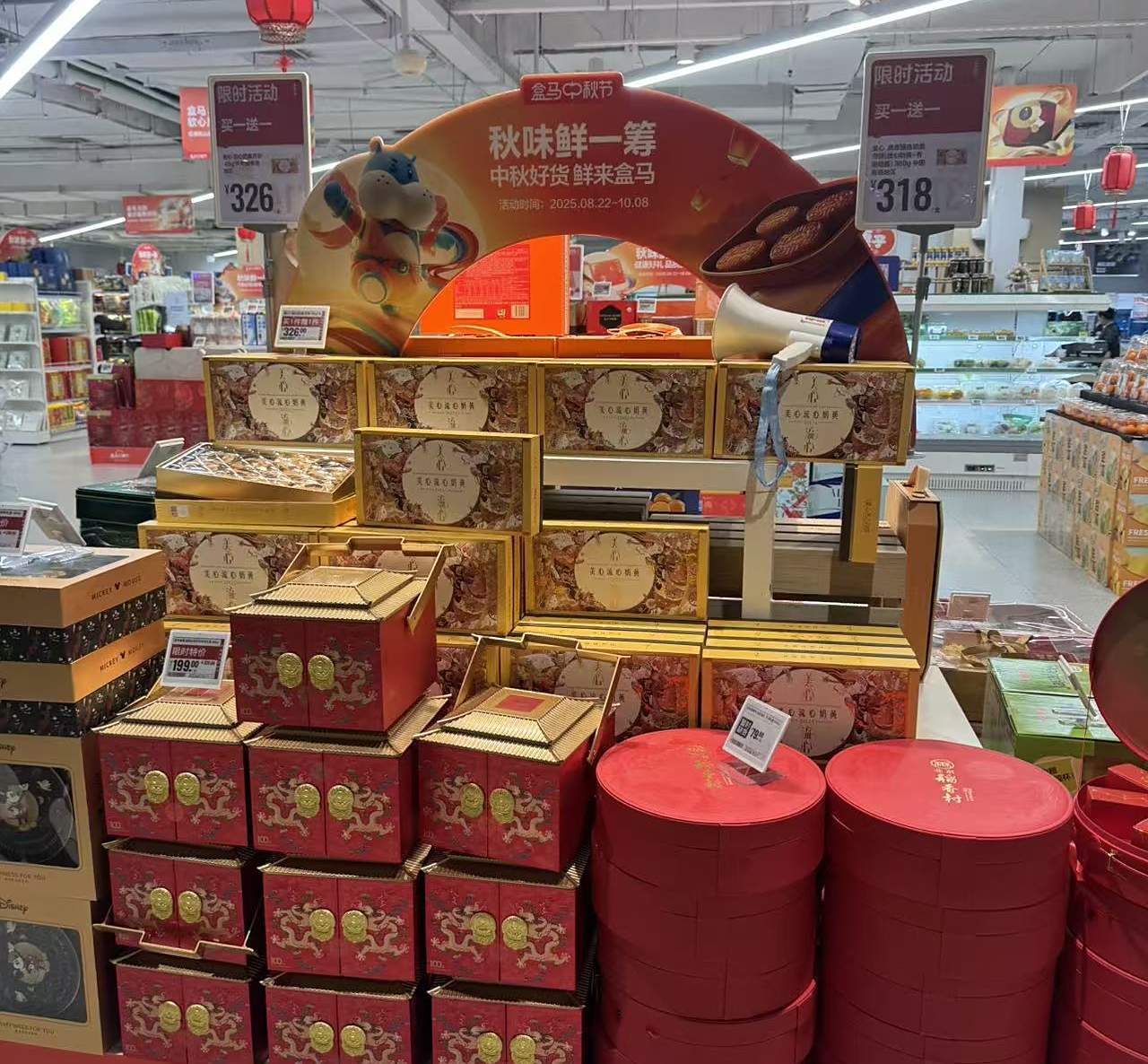
Core Insights - The Chinese liquor industry is undergoing significant changes, with a noticeable decline in traditional alcohol consumption during festive gatherings, particularly in the context of the 2025 Mid-Autumn Festival and National Day [1][19]. Group 1: Changes in Consumer Behavior - There is a marked reduction in the variety and quantity of mooncake and liquor displays in supermarkets compared to previous years, indicating a shift in consumer preferences [3][4]. - During family gatherings, the consumption of alcohol has decreased significantly, with many opting for beer instead of traditional spirits [6][10]. - Younger consumers are less enthusiastic about traditional drinking customs, preferring to order what they like and often practicing "AA" (going Dutch) during meals [11][13]. Group 2: Market Dynamics - The sales of high-end liquor brands like Moutai remain stable, but the purchasing behavior has shifted, with fewer customers buying in-store [4][19]. - The disappearance of domestic wine gift boxes reflects a broader trend where traditional consumption scenarios are shrinking, impacting local wine brands the most [23]. - Imported wines and premium spirits like whiskey are gaining traction, particularly among younger and affluent consumers, indicating a shift towards a more modern lifestyle [25]. Group 3: Industry Outlook - The liquor industry is experiencing a supply-side reform and consumption upgrade, moving away from reliance on traditional marketing and distribution strategies [27][29]. - Future opportunities for liquor companies lie in either solidifying their high-end market positions or focusing on affordable, quality "people's liquor" [27][19]. - The wine sector faces challenges that require brands to enhance quality and storytelling, moving beyond just high-priced gift baskets [29]. Group 4: Conclusion - The industry is transitioning towards a consumption model that values quality and personal preference over traditional status symbols, marking a significant shift in the liquor market landscape [31].


国产酒出海热:数据亮眼,但国际化之路还有多远?
Sou Hu Cai Jing· 2025-07-21 10:58
Core Viewpoint - The export of domestic Chinese wines to international markets has gained attention over the past year, with several domestic wineries making significant strides in this area [2] Group 1: Export Growth and Statistics - At the fifth China (Ningxia) International Wine Culture and Tourism Expo, it was reported that 30 well-known wine import and export companies have been successfully cultivated in Ningxia [3] - Ningxia's wine export value is projected to reach 13.75 million yuan in 2024, representing a year-on-year growth of approximately 42% [3] Group 2: Challenges in International Markets - An industry insider expressed skepticism about the feasibility of exporting high-quality domestic wines, suggesting that companies should focus on the domestic market before considering international expansion [5] - The Chinese wine market is competitive and highly internationalized, with potential challenges in quality perception and market penetration in foreign markets [6][8] Group 3: Consumer Perception and Market Dynamics - Consumers unfamiliar with Chinese wines may prioritize products they trust, which poses a challenge for domestic wines in international markets [8] - The cost of production for domestic wines is currently higher than that of mainstream wine regions, leading to quality concerns at similar price points [8] Group 4: Export Data Context - The impressive export figures for domestic wines are based on relatively low initial volumes, indicating significant room for growth [9] - The export of boutique wines faces considerable obstacles due to a lack of local partnerships and support in foreign markets [9] Group 5: Opportunities in Southeast Asia - There are opportunities for domestic wines in Southeast Asia, particularly due to the increasing Chinese investment and the growing local Chinese community [11] - It is suggested that products with differentiated features and competitive pricing could find success in Southeast Asian markets, while caution is advised for entry into mature markets like Europe and North America [11]

ProWine商业报告—2025中国篇
Sou Hu Cai Jing· 2025-05-25 11:27
Group 1 - The survey conducted by ProWine provides insights into the current state and future trends of the wine and spirits market in China, focusing on both producers and traders [1] - In 2024, approximately 25% of surveyed companies reported good or very good operating conditions, while 39% indicated a break-even situation, and 32% reported poor conditions [2][26] - For 2025, 53% of respondents expect an improvement in operating conditions, with 6% anticipating significant improvement, while 18% foresee a continued decline [2][28] Group 2 - The market outlook for alcoholic beverages from 2025 to 2027 shows optimism for categories such as domestic beer, fruit wine, RTD cocktails, imported sparkling wine, and domestic wine, with traders being particularly positive about domestic wine [2][34] - Producers are optimistic about low-alcohol and non-alcoholic wines, while traders favor dry white wines and sparkling wines [3][37] Group 3 - 62% of surveyed companies believe that whiskey has the highest growth potential among spirits in the next three years [4][40] - Key drivers for sales growth in the Chinese wine market include the recovery of the market and overall economic development, with a focus on emerging consumer groups and new consumption scenarios [5][44] Group 4 - Digital platforms and social media are identified as effective channels for consumer education, followed by winery visits and KOL endorsements [8] - 77% of surveyed companies expect significant growth in digital sales channels (social media, live e-commerce, etc.) over the next three years, with dining channels and small wine specialty stores following [9] Group 5 - Emotional resonance factors for new consumer groups include localized narratives that align with Chinese traditions, followed by modern and sophisticated lifestyles [10] - Traders anticipate that the top ten source countries for imported still wines in 2025 will include Australia, France, and Chile, with Australia benefiting from the termination of anti-dumping duties [11] Group 6 - 55% of Chinese wine producers are currently engaged in export activities, with 25% planning to export in the future [13] - Key target markets for exports include Japan, Hong Kong, and Singapore, with Thailand and Malaysia also being attractive [14][15] Group 7 - 69% of international producers view solidifying trade partnerships with China as crucial, and 58% are optimistic about market recovery [16] - The Asian market is particularly attractive, with Japan and Singapore leading, followed by Hong Kong and Taiwan [17]

国产葡萄酒发展面临内外受阻局面 仍身处低迷期
Zhong Guo Chan Ye Jing Ji Xin Xi Wang· 2025-05-05 22:15
Core Insights - The Ningxia Helan Mountain wine region has seen six premium wines selected as national diplomatic "gifts," indicating a growing recognition of domestic wine brands [1] - Despite this recognition, the domestic wine market remains sluggish, with significant challenges in consumer awareness, industry promotion, and branding [1][2] - Domestic wine production has declined significantly, with a reported 14.5% decrease in output for 2024, totaling 118,000 kiloliters [2] - In contrast, imported wine, particularly from Australia, has surged, with a 37.2% increase in import value for 2024, reaching $1.59 billion [2] Industry Challenges - The domestic wine industry faces internal challenges such as low consumer demand and external pressures from foreign brands like Australian wine [2][3] - Data shows a continuous decline in domestic wine production from a peak in 2012, with figures dropping from 413,000 kiloliters in 2020 to 143,000 kiloliters in 2023 [2] - The market for imported wines is growing, with a notable increase in consumer interest in Australian wines following their return to the market [3] Development Trends - The trend towards wine regionalization is seen as essential for the industry's future, helping to reduce competition and enhance brand recognition [4][5] - Government support for the wine industry is increasing, with initiatives in regions like Ningxia and Shandong aimed at boosting production and brand development [4] - The goal for the Ningxia wine region is to achieve a comprehensive output value of 100 billion yuan by 2025, supported by various local government initiatives [4] Market Dynamics - The domestic wine market is characterized by a lack of consumer engagement and a need for improved service systems and customer loyalty [3] - The presence of foreign brands in the Chinese market is seen as an opportunity for domestic producers to enhance their offerings and consumer recognition [5] - The integration of foreign technology and development strategies through acquisitions is expected to benefit the domestic wine sector [5]