
地源热泵系统

Search documents
企业能源管控平台Acrel-7000在某纺织机械企业中的应用
Sou Hu Cai Jing· 2026-01-04 08:14
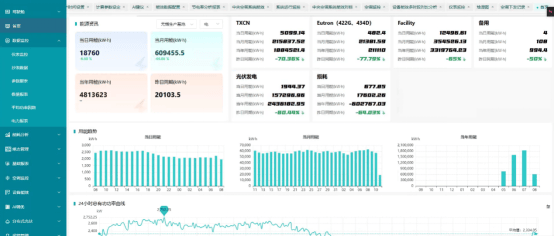
Core Insights - The company specializes in the research and manufacturing of textile machinery and has established itself as a leader in the international textile machinery industry. It has developed an energy management platform aimed at achieving energy-saving goals through detailed statistical analysis and real-time monitoring of energy consumption and equipment performance [1][19]. Group 1: Energy Management Solutions - The energy management platform offers a comprehensive solution tailored to user energy characteristics and management needs, including energy metering, equipment efficiency analysis, and optimization of various energy systems such as distributed photovoltaic generation and geothermal heat pump systems [1][19]. - The platform allows users to monitor the operation of key energy-consuming devices, such as geothermal heat pump systems and compressed air systems, remotely [3][19]. Group 2: Energy Efficiency and Savings - The company has implemented a system energy-saving solution that has achieved over 10% energy savings, equating to approximately 2,500 kWh of electricity saved daily, by utilizing AI for optimal operation of the geothermal heat pump system [10][19]. - Users can compare energy efficiency data before and after maintenance through benchmarking and time-based energy efficiency comparison features, guiding them to improve system performance through proactive maintenance [8][19]. Group 3: Integration and Optimization - The energy management platform integrates with meeting management systems to pre-cool spaces based on meeting schedules, enhancing the meeting environment while optimizing energy use [16][19]. - The platform employs machine learning algorithms for load forecasting, intelligently adjusting operational strategies for the geothermal heat pump system [17][19].

新疆阿拉尔:“光伏+”打通盐碱地多元化利用路径
Ke Ji Ri Bao· 2025-12-18 01:01
Core Viewpoint - The establishment of a "photovoltaic + ecological governance" base in Xinjiang's saline-alkali land demonstrates a successful integration of clean energy production, ecological restoration, and modern agricultural development, significantly improving soil conditions and crop yields [1][2][3]. Group 1: Clean Energy and Agricultural Integration - The photovoltaic panels installed on the greenhouse provide an annual green electricity output of 84,600 kWh, supporting the energy needs of the greenhouse throughout the year [1]. - The greenhouse utilizes a geothermal heat pump system powered by green electricity, achieving zero carbon emissions while providing stable heating during winter [1]. - The collaboration between the company and universities has led to the introduction of salt-tolerant crop varieties and smart monitoring systems, resulting in a 35% increase in crop yields and raising the per-acre value from 1,500 yuan to approximately 4,500 yuan [2]. Group 2: Soil Improvement and Sustainable Practices - The flexible photovoltaic structures allow for more land to be available for agricultural use, facilitating the cultivation of fruits and livestock beneath the solar panels [3]. - The implementation of under-panel planting can reduce soil salinity by 0.1% to 0.15% annually, significantly shortening the soil improvement cycle [4]. - The company has developed a "photovoltaic mushroom cabin" that enhances space utilization by over three times compared to traditional greenhouses, utilizing smart systems for optimal growth conditions [4]. Group 3: Circular Economy and Waste Utilization - The waste from mushroom cultivation can be processed into a soil amendment, contributing to a complete ecological cycle [4]. - The innovative approach of using abandoned shipping containers for mushroom cultivation allows for year-round production powered by solar energy [4].
走进雄安新区:昝岗片区的现代化新气象
Jing Ji Wang· 2025-11-22 04:33
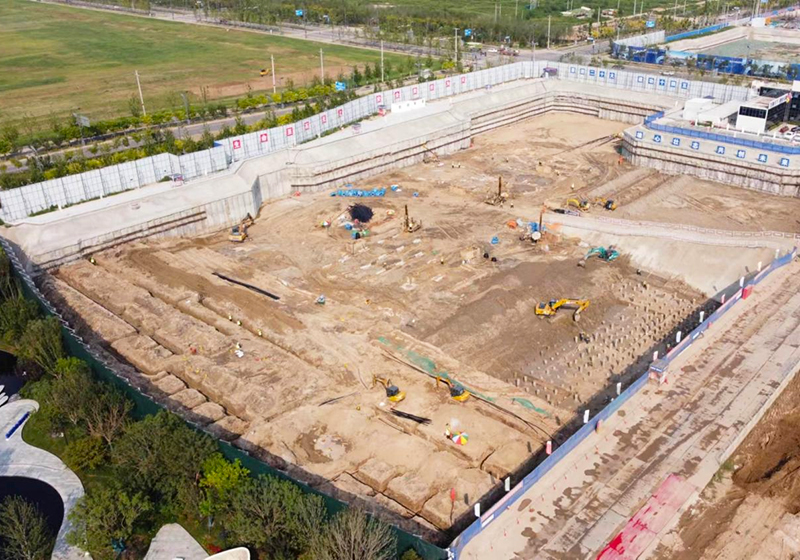
Core Insights - The Xiong'an Future Science and Technology City project is being developed with a focus on innovation and smart city elements, integrating above-ground, underground, and cloud-based planning and construction [1] Group 1: Project Overview - The project features a smart park system consisting of "1 platform, 3 brains, and 5 smart scenarios," which includes diverse functions such as industrial offices, residential apartments, commercial facilities, and ecological parks [1] - An underground urban complex is being built to facilitate seamless transportation, smart traffic, commercial services, and cultural leisure activities [1] Group 2: Environmental Sustainability - The project utilizes geothermal energy resources found approximately 100 meters underground, which will significantly reduce heating energy consumption and support carbon neutrality goals [1] - The geothermal heat pump system is expected to save about 40% in operational costs compared to traditional air conditioning systems, marking the project as a model for low-carbon and environmentally friendly development [1]
“洋学生”中国说|埃及留学生:在探秘“零碳”奇迹中,读懂中国生态智慧
Huan Qiu Wang· 2025-09-23 08:10
Core Insights - The concept of "Green Mountains and Clear Water are as Valuable as Mountains of Gold and Silver" has been recognized for 20 years, driving ecological civilization in China [2] - The integration of technology and nature in urban planning is exemplified by the "zero carbon" initiatives in Beijing [4] Group 1: Ecological Achievements - The high greening rate of 85% in the park allows for the absorption of over 5,000 tons of CO2 annually, supporting biodiversity with over 70 species of animals [4] - The park's design emphasizes seamless integration of greenery and architecture, creating a natural environment within an urban setting [2] Group 2: Zero Carbon Innovations - The Beijing City Library features a roof made of 837 ginkgo leaf-shaped metal panels with 126 smart skylights, generating an annual electricity output of 250,000 kWh through a solar film system [4] - The park utilizes a distributed photovoltaic and geothermal heat pump system, achieving 100% green energy supply for heating, cooling, and hot water needs [4] Group 3: Global Perspective - The experience of exploring "zero carbon" practices in China has inspired a desire to share these insights globally, highlighting the actionable nature of ecological development [5]

雄安这个园区,如何实现零碳?(美丽中国·关注零碳园区)
Ren Min Ri Bao· 2025-09-01 22:07
Core Viewpoint - The construction of zero-carbon parks is crucial for promoting a comprehensive green transformation of China's economic and social development [1] Group 1: Zero-Carbon Park Construction - The first fully electric smart zero-carbon park in Xiong'an New Area is under construction, with completion expected by the end of 2025 [1] - The park features five buildings arranged in a circular layout, with a central conference and exhibition center [1] Group 2: Energy Efficiency and Clean Energy Development - The park utilizes thick glass curtain walls composed of three layers and two cavities filled with argon gas to reduce heat transfer, optimizing energy consumption for heating and cooling [2] - A ground-source heat pump system with 1,136 wells over 130 meters deep is installed to maintain temperature, significantly reducing energy consumption compared to traditional air conditioning systems [3] - The park's rooftop solar panels are expected to generate 2.73 million kWh annually, meeting 25% of the park's electricity needs [5] Group 3: Smart Management and Carbon Monitoring - A digital platform is established for integrated management of carbon monitoring, energy control, and park operations, overseeing 146,000 devices [5][6] - The platform enables smart lighting and HVAC control, adjusting energy consumption based on real-time data [6] Group 4: Carbon Reduction and Trading - The park has achieved a carbon reduction rate of over 60%, with various measures projected to reduce carbon emissions by a total of 3,370 tons annually from clean energy and energy-efficient systems [6] - A carbon trading service platform will facilitate connections between electricity users and carbon markets, helping to offset indirect carbon emissions through green electricity purchases [6]