零碳

Search documents
能源早新闻丨全球最大,顺利点火!
中国能源报· 2026-03-19 22:33
News Highlights - In February 2026, the National Energy Administration issued 198 million green certificates, involving 610,200 renewable energy projects, with 150 million being tradable, accounting for 75.49% [2] - The green certificates issued in January 2026 corresponded to 155 million renewable energy electricity, with a higher percentage of 78.13 [2] - A total of 7.548 million green certificates were traded in February 2026, including 2.996 million green electricity trading certificates [2] Domestic News - The world's largest electronic-grade glass fiber production line was successfully ignited on March 18, 2026, with an annual capacity of 390 million meters, representing 9% of the global market [2] - The project utilizes advanced technologies such as high-performance glass formulas and large energy-saving furnaces, with completely independent intellectual property rights [2] - The production of electronic-grade glass fiber and electronic cloth will support industries like new energy vehicles and photovoltaics [2] - Beijing's ecological environment bureau announced measures for carbon emission unit management and carbon trading for 2026, including CO2 emission accounting and reporting requirements [3] - Jiangsu province is implementing an "AI+" initiative to foster emerging industry clusters in biomedicine, new energy, integrated circuits, and low-altitude economy [3] Infrastructure Developments - The Haoji Railway has surpassed a cumulative freight volume of 500 million tons since its operation began, enhancing the "North Coal South Transport" strategy [4] - The railway, spanning 1,813.5 kilometers, significantly reduces logistics costs and ensures energy transportation security [4] - The Tianshan gas field in Xinjiang has produced over 1 billion cubic meters of industrial natural gas, showcasing advancements in complex gas reservoir development technology [4] International News - Former President Trump stated he was unaware of Israel's attack on Iranian oil and gas facilities, denying any involvement from Qatar [5] - France has initiated the construction of a new nuclear-powered aircraft carrier named "Charles de Gaulle," which will be the largest warship in Europe [6] - U.S. gasoline prices have reached their highest level in 2023 due to Middle Eastern conflicts, prompting government discussions with oil industry executives [6] - Oil exports from Gulf countries have dropped by over 60% compared to February averages due to ongoing conflicts in the region [6] Corporate News - China's first ammonia fuel ship engine has been successfully delivered in Qingdao, filling a gap in zero-carbon ship power applications [7]

零碳系列报告一:双碳引领绿色转型,零碳园区试点先行
Shenwan Hongyuan Securities· 2026-03-02 14:43
Investment Rating - The report suggests a focus on green fuel, green electricity, natural gas, CCUS, renewable resources, carbon monitoring, and zero-carbon parks as key investment opportunities [4][7][43]. Core Insights - The transition to a dual carbon control system is urgent, with the need to achieve carbon peak by 2030 and a 65% reduction in carbon intensity compared to 2005 levels by 2030 [4][11]. - The establishment of a comprehensive carbon management system is underway, integrating carbon evaluation and market mechanisms [4][21]. - The path to implementation emphasizes energy transition and efficiency improvements, with pilot projects for zero-carbon factories and parks leading the way [4][44]. Summary by Sections Policy Transition - The shift from energy consumption control to carbon emission control is highlighted, with a focus on dual carbon control [6][8]. - The government has outlined a comprehensive policy framework for carbon peak and neutrality, emphasizing the need for a robust carbon management system [12][14]. System Construction - A dual approach combining administrative measures and market mechanisms is being developed, including carbon evaluation and a national carbon market [21][24]. - The national carbon market has expanded to include key industries such as power generation, steel, cement, and aluminum smelting [24][30]. Implementation Path - The report outlines a clear path for energy transition, focusing on green energy supply, energy efficiency improvements, and the establishment of zero-carbon factories and parks [4][44]. - Key tasks include developing renewable energy sources, enhancing energy efficiency, and implementing carbon management systems [46][50].




零碳物流园区发展白皮书
荣续智库· 2026-03-02 09:25
Investment Rating - The report does not explicitly state an investment rating for the industry Core Insights - The development of zero-carbon logistics parks is essential for upgrading the modern logistics system and is a key support for enterprises to implement ESG principles and achieve sustainable urban development [4][8] - The report emphasizes that the carbon emission intensity of logistics parks directly impacts the green level of the industrial chain, highlighting the need for a transition to zero-carbon logistics parks to resolve resource and environmental constraints and enhance industry competitiveness [7][8] - The report outlines a global perspective on the construction of zero-carbon logistics parks, noting diverse explorations in Europe, the United States, Japan, and South Korea, with China gradually improving its policy framework to support green logistics parks [8][35] Summary by Sections Chapter 1: Understanding Zero-Carbon Logistics Parks - Zero-carbon logistics parks integrate low-carbon concepts into all stages of planning, construction, operation, and management, utilizing energy-saving, emission-reduction, carbon fixation, and carbon management strategies [17][20] - The logistics industry is a crucial part of the national economy, with the potential for significant energy consumption and carbon emissions, making it vital for achieving national carbon neutrality goals [17][18] Chapter 2: ESG Development of Zero-Carbon Logistics Parks - Policies are crucial for promoting the construction of zero-carbon logistics parks, with various national and international frameworks established to guide their planning, operation, and technological application [51][60] - The report discusses international agreements like the Global Zero Carbon Freight Initiative and the IMO Net Zero Framework, which aim to reduce carbon emissions in the logistics sector [52][54] Chapter 3: Technologies for Achieving Zero-Carbon Logistics Parks - Key technologies for zero-carbon logistics parks include distributed photovoltaics, energy storage systems, electric heavy trucks, and intelligent energy management platforms, which are increasingly penetrating the market [8][35] - The report highlights the importance of integrating renewable energy sources and advanced technologies to achieve a sustainable energy system within logistics parks [20][32] Chapter 4: Typical Cases of Zero-Carbon Logistics Parks - The report provides examples of successful zero-carbon logistics parks, such as Prologis' Eindhoven DC4 in the Netherlands and JD's "Asia No.1" in Xi'an, showcasing practical applications of zero-carbon principles [13][14][35]


超600亿元!200GWh!宁德时代大手笔加码福建宁德
鑫椤锂电· 2026-03-02 07:07
Core Insights - The article discusses the strategic cooperation agreement signed between the Ningde City Government and CATL, focusing on "zero carbon" and "technology" initiatives, with a total investment exceeding 60 billion yuan and planned production capacity of 200 GWh, expected to generate over 100 billion yuan in output value [3]. Group 1: Market Overview - The article outlines various market segments for 2025, including lithium carbonate, electrolytes, copper foil, lithium cobalt oxide, ternary materials, lithium iron phosphate, manganese lithium phosphate, ternary precursors, lithium hexafluorophosphate, iron phosphate, VC additives, sodium-ion batteries, new lithium salts (LIFSI), separators, lithium batteries, aluminum foil, energy storage batteries, energy storage systems, manganese iron lithium phosphate, and anode materials [1]. Group 2: Strategic Cooperation - The cooperation agreement includes a comprehensive plan covering eight areas and 33 specific projects, aimed at enhancing global headquarters, battery research and development, production capacity, application scenarios, and zero-carbon ecosystems [3].


(新春走基层)绿电+秸秆“酿”绿色燃料 30万吨绿色甲醇项目全速推进
Xin Lang Cai Jing· 2026-02-27 10:11
Core Viewpoint - The construction of the 300,000-ton green methanol project by Jiangsu Lanze Energy is progressing rapidly, aiming to establish a leading green liquid fuel and high-end chemical industry base in China, utilizing agricultural waste and renewable energy sources [2][3]. Company Summary - Jiangsu Lanze Energy is investing 2.67 billion yuan in the green methanol project, which covers an area of 492 acres and features the world's first biomass gasification methanol production facility [3]. - The project will produce 300,000 tons of green methanol annually, using agricultural waste as raw materials and achieving a zero-carbon closed-loop process [3]. - The company has partnered with local agricultural firms to convert agricultural waste into valuable resources, enhancing farmers' income and promoting low-carbon industry development [3]. Industry Summary - Green methanol is recognized as a key pathway for decarbonizing international shipping, with procurement intentions established with major shipping companies like Maersk and COSCO [5]. - The project is part of a broader initiative in the Dafeng Zero Carbon Industrial Park, which aims to create a zero-carbon ecosystem by integrating green energy, transportation, and facilities [5]. - The project has been selected as a pilot for the National Energy Administration's green liquid fuel technology and industrialization initiative, highlighting its innovative approach in the green energy sector [5].
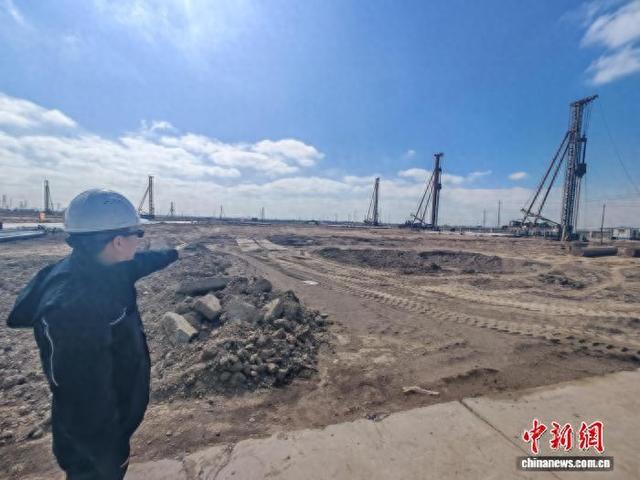
藏北铜龙村光伏赋能零碳新居,温泉产业带动牧民增收
Xin Lang Cai Jing· 2026-02-14 00:57
Core Insights - The transformation of Tonglong Village from a deeply impoverished pastoral area to a "zero-carbon" demonstration village showcases the effective use of solar energy for heating and electricity generation, significantly improving the quality of life for residents [1][2]. Energy Development - A pilot solar heating project, with an investment of 3 million yuan, was completed in September 2023, enabling 40 households to utilize rooftop solar panels as micro power stations, leading to an average monthly savings of 150 yuan on electricity bills and achieving zero emissions and pollution [2]. - In 2024, the National Energy Group plans to invest nearly 7 million yuan to build a 400 kW solar power station to support the geothermal wellness tourism industry, enhancing the integration of clean energy into traditional tourism [3]. Economic Growth - The wellness tourism industry is projected to generate 1.01 million yuan in income for the village collective and distribute 760,000 yuan in dividends to 94 households by 2025, directly creating 93 jobs and indirectly benefiting 418 individuals [4]. Governance and Community Engagement - The local government has implemented a "one-line work method" to improve the connection between party officials and the community, ensuring that officials engage with residents more meaningfully and address their needs effectively [5]. - A "party member household linkage" mechanism has been established, with 29 party members paired with 95 households, resulting in the collection and resolution of 15 community issues since 2025 [5]. Quality of Life Improvements - The living conditions in Tonglong Village have significantly improved, with residents experiencing modern housing, access to clean drinking water, and enhanced community facilities, contributing to a better quality of life [6][7].
过去一年,到底哪些环保公司在「赚大钱」?
Xin Lang Cai Jing· 2026-02-11 10:32
Core Viewpoint - The so-called "industry winter" in the environmental protection sector is more about the difficulties faced by some companies rather than a universal downturn, as many companies are achieving profitability and growth through strategic focus on zero-carbon initiatives, solid waste management, and optimized management practices [3][32]. Zero-Carbon Sector - The zero-carbon sector has transitioned from a conceptual phase to a profitable one in 2025, driven by government support for zero-carbon parks and comprehensive energy services [4][33]. - Companies like Shenling Environment are expected to achieve a net profit of 205 million to 246 million yuan in 2025, representing a growth of 77.39% to 122.87% year-on-year, by focusing on zero-carbon supporting services [5][34]. - Nanfang Energy has made a remarkable turnaround from a loss of 58.12 million yuan to a projected profit of 300 million to 360 million yuan in 2025 by concentrating on zero-carbon parks and comprehensive energy services [6][36]. Solid Waste Sector - The solid waste sector has seen a significant turnaround, with many companies doubling their net profits in 2025, aided by strong policy support and rising metal prices [10][39]. - High Energy Environment is projected to achieve a net profit of 750 million to 900 million yuan in 2025, with a growth rate of 55.66% to 86.79%, driven by rising metal prices and increased production capacity [11][40]. - Green Beauty is expected to report a net profit of 1.429 billion to 1.735 billion yuan in 2025, benefiting from a comprehensive industrial chain layout that includes key metal recycling and high-end new energy materials [14][43]. Optimization Management - Companies focusing on optimization management, such as Zhongshan Public Utility, are achieving significant profit growth through meticulous operational control and strategic investments, with projected net profits increasing by 50% to 80% in 2025 [23][24]. - Tongxing Technology is expected to see a net profit increase of 74.2% to 125.44% in 2025 by securing high-margin projects and enhancing operational efficiency [25][26]. Conclusion - The environmental protection industry is undergoing a reshaping process where companies that effectively leverage their core strengths and adapt to market opportunities are thriving, while those lacking strategic focus may face challenges [27][28].

全国首个!牛首山获评“零碳综合性历史文化旅游景区”
Jiang Nan Shi Bao· 2026-02-05 23:14
Core Viewpoint - Nanjing Niushou Mountain Cultural Tourism Area has been recognized as the first "zero-carbon comprehensive historical and cultural tourism scenic area" in China, setting a benchmark in ecological tourism and sustainable development [1][2]. Group 1: Achievements and Recognition - Niushou Mountain has received carbon neutrality certificates from the Shanghai Environment Energy Exchange and SGS, providing authoritative backing for its zero-carbon scenic area construction [1]. - The scenic area has transformed from a 66-meter deep industrial mine to a "Chinese forest oxygen bar," achieving a forest coverage rate of 83% and maintaining a stable concentration of negative oxygen ions at over 4,000 per cubic centimeter [1]. Group 2: Low-Carbon Initiatives - The scenic area has invested in 120 electric buses and shuttle vehicles, electrified kitchen operations, and upgraded over ten thousand lights to smart energy-saving LEDs, integrating low-carbon practices into daily operations [2]. - Collaborating with professional institutions, Niushou Mountain has conducted systematic carbon emission accounting and offsetting, successfully meeting the ISO-14068 international standard for carbon neutrality [2]. Group 3: Economic and Tourism Impact - Niushou Mountain has seen a strong growth in tourism, with annual visitor numbers reaching 6 million and a projected increase of over 110% in inbound tourist reception by 2025 [3]. - The scenic area has been recognized in various tourism rankings, including "2026 China’s 100 Must-Visit Attractions" and "Top 10 Popular Attractions on Douyin 2025," highlighting its ecological value, cultural significance, and market popularity [3]. Group 4: Future Plans and Responsibilities - Niushou Mountain aims to further enhance its zero-carbon system and establish a long-term carbon accounting mechanism, promoting the conversion of forestry carbon value into economic benefits [3]. - The management is committed to sharing its green transformation experiences and providing a replicable model for other scenic areas to follow an eco-prioritized and green development path [3].
康明斯重挫12.6%,预计2026年上半年北美公路运输业务仍将承压
Xin Lang Cai Jing· 2026-02-05 20:36
Core Viewpoint - Cummins (CMI) faces challenges in the highway market, leading to a significant stock drop of 12.6% despite mixed fourth-quarter earnings results [1][5]. Financial Performance - The company reported a 1.1% year-over-year revenue increase to $8.54 billion in Q4, ending a four-quarter decline [2][6]. - Earnings per share exceeded expectations, and the company restored its full-year guidance, projecting a revenue growth of 3%-8% for fiscal year 2026, aligning with market expectations [2][6]. - The growth was primarily driven by strong global power generation demand, increased pickup truck sales, and improved pricing, which offset weak sales in the North American heavy/medium truck segment [2][6]. Business Segment Performance - Power Systems revenue grew by 11% year-over-year to $1.9 billion, benefiting from increased demand for backup power in data centers and favorable pricing conditions [2][6]. - Distribution revenue increased by 7% year-over-year to $3.3 billion, supported by a favorable power generation business mix and resilient aftermarket activities [3][7]. - Parts sales declined by 7% year-over-year to $2.4 billion, primarily due to the cyclical downturn in the highway transportation industry, although international sales rose by 4% due to increased demand in Europe and China [3][7]. Engine and Zero-Carbon Business - Engine sales decreased by 4% to $2.6 billion, impacted by weak demand in North America, although increased pickup truck sales partially mitigated this decline [4][8]. - The zero-carbon business (Accelera) saw a 31% year-over-year revenue increase to $131 million, but faced a pre-tax loss of $374 million due to project review expenses and weak hydrogen demand [4][8]. Market Outlook - Cummins anticipates continued pressure on North American highway transportation business in the first half of 2026, with potential improvement in the second half, while power generation, industrial, and aftermarket sectors are expected to remain strong [4][9]. - Analysts note that the fourth-quarter results reflect a differentiated market environment, with strong performance in power generation due to robust data center demand, while the highway transportation sector continues to drag down engine and parts segments [9].

北京新疆重设GDP五年目标——图观地方两会第7期
一瑜中的· 2026-02-04 15:22
Core Viewpoint - The article discusses the GDP targets and economic performance of various provinces in China for the "14th Five-Year Plan" and "15th Five-Year Plan" periods, highlighting adjustments in growth expectations and specific economic goals for 2026. Group 1: GDP Targets and Adjustments - Beijing has set a new GDP growth target of 4.5%-5% annually, aiming for better results [7] - Xinjiang's target is adjusted to an annual growth of 5.5%-6% [7] - Hunan has lowered its target by 0.5-1 percentage points to 5%-5.5% [9] - Jiangsu's target is down by 0.5 percentage points to around 5% [9] - Guangdong's target remains stable at around 5% [9] - Gansu and Guizhou have both reduced their targets by 1.5 and 2 percentage points respectively [9] Group 2: Economic Performance in 2025 - Jiangsu's GDP grew by 5.3% in 2025, maintaining the highest increment nationally [12] - Sichuan's GDP growth was 5.5%, ranking fifth in total and growth rate [19] - Shanghai's GDP increased by 5.4%, with significant growth in industrial investment [27] - Hunan's GDP growth was 4.8%, with a notable decline in fixed asset investment [31] Group 3: 2026 Economic Goals - Jiangsu aims for a GDP growth of around 5% in 2026, with a focus on better results [13] - Sichuan targets a GDP growth of approximately 5.5% for 2026 [20] - Shanghai's GDP target for 2026 is set at around 5% [27] - Hunan's GDP goal is around 5%, with an emphasis on achieving better outcomes [33] Group 4: Investment and Consumption - Jiangsu's fixed asset investment target for 2026 is not yet disclosed, following a 12.7% decline in 2025 [17] - Hunan's fixed asset investment is expected to achieve positive growth in 2026 [37] - Consumption in Jiangsu is targeted to grow by around 5% in 2026, down from 5.5% in 2025 [15] - Sichuan's social retail sales target for 2026 is not yet disclosed, with a 2025 goal of 5% [23] Group 5: Key Focus Areas for 2026 - Jiangsu plans to enhance consumption through cultural and tourism integration [13] - Sichuan aims to develop the cultural tourism industry as a pillar of economic growth [20] - Hunan will focus on digital economy growth and infrastructure projects [31] - Shanghai will prioritize major engineering investments and digital economy initiatives [27]