埃安新能源汽车

Search documents
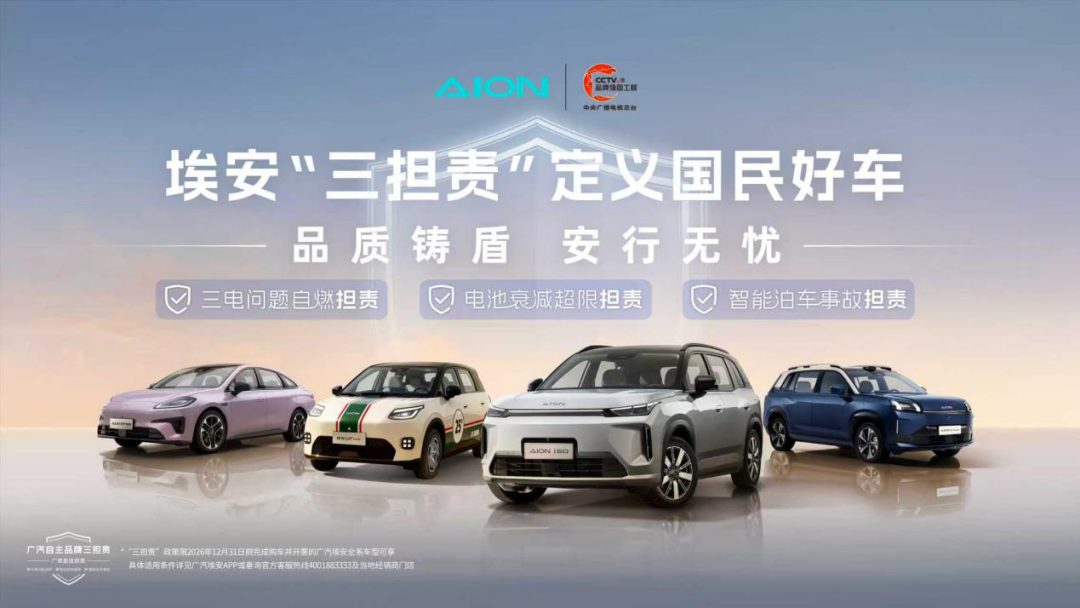
广汽埃安推出“三担责”权益 定义用户买车新标准
Mei Ri Jing Ji Xin Wen· 2025-12-31 06:31
Core Viewpoint - The article highlights the challenges faced by electric vehicle (EV) owners in asserting their rights, particularly in cases of system failures and accidents, emphasizing the need for improved consumer protection and service standards in the growing EV market [1][6]. Group 1: Consumer Rights and Challenges - EV owners are increasingly concerned about after-sales service, product quality assurance, and the protection of their rights, as exemplified by a case where a consumer struggled to prove system failure after a near-collision incident [1]. - The difficulties in proving fault and the lack of clear monitoring systems contribute to a prolonged and frustrating claims process for consumers [1][6]. Group 2: "Three Responsibilities" Policy - GAC Aion has introduced a "Three Responsibilities" policy that outlines specific consumer rights related to battery safety, battery degradation, and smart parking accidents, applicable to eligible non-commercial vehicle owners [3][4]. - The policy includes compensation for vehicle fires due to battery system issues, free battery replacements for significant capacity loss, and full coverage of repair costs for accidents caused by the smart parking system [4][10]. Group 3: Industry Impact and Consumer Confidence - The introduction of the "Three Responsibilities" policy is seen as a significant step in addressing consumer anxieties regarding EV ownership, particularly concerning high repair costs and complex after-sales issues [11][12]. - This policy aims to enhance the resale value of EVs by addressing battery degradation concerns, which are critical to the second-hand market [11]. Group 4: Technological Strength and Market Position - GAC Aion's confidence in offering the "Three Responsibilities" policy stems from its strong technical capabilities, including a record of zero vehicle fires and significant advancements in battery safety technology [8][10]. - The company has achieved notable milestones in autonomous driving, further establishing its reputation in the EV market [8]. Group 5: Industry Collaboration and Standards - The "Three Responsibilities" policy encourages collaboration across the EV supply chain, prompting upstream suppliers to enhance quality control and midstream manufacturers to improve vehicle safety and service systems [14]. - By clarifying responsibilities and compensation standards, the policy provides a framework for consumer protection and contributes to the development of national standards for EV safety and after-sales service [14][15].

中泰合作推动打造区域科技与人才培养中心
人民网-国际频道 原创稿· 2025-10-31 05:41
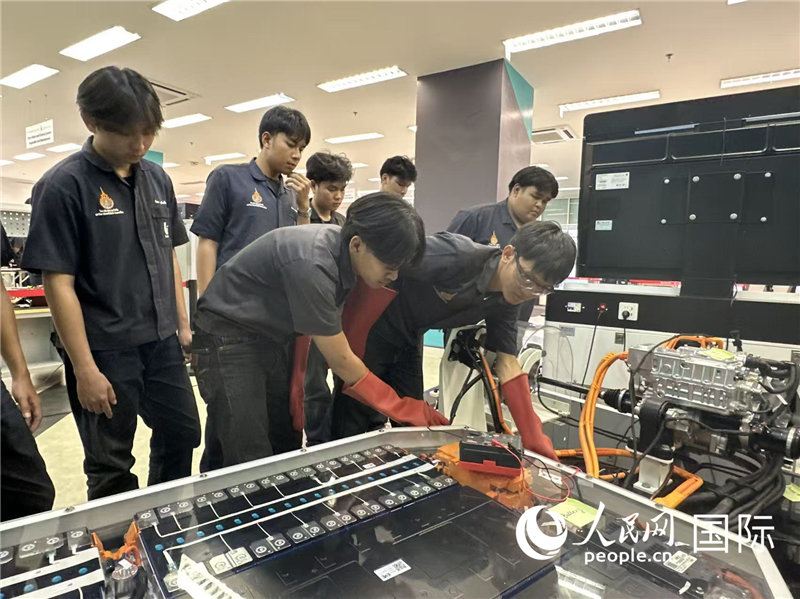
Core Insights - Thailand is advancing its "Thailand 4.0" strategy and "3030" goal, aiming for electric vehicles to constitute 30% of total car production by 2030, positioning the electric vehicle industry as a key area for green transformation [2][4] Group 1: Electric Vehicle Training Center - The Electric Vehicle Training Center at Northeast Royal University is Thailand's first dedicated facility for electric vehicle education, having trained over 300 students since its establishment [2] - The training center collaborates with the Thai Ministry of Education and the Ministry of Transport to train technical personnel for the national transportation system, promoting Chinese electric vehicle technology in Thailand [2][3] Group 2: Curriculum and Industry Collaboration - The curriculum includes nine modules covering essential topics such as basic electrical and electronic technology, battery technology, and diagnostic maintenance of electric vehicles [2] - Students benefit from internship opportunities with Chinese automotive companies, gaining exposure to international technology and workflows, which enhances their employability [3] Group 3: Infrastructure and Research Development - The university has recently completed a new campus for the Rail Transit College, featuring standard tracks and simulation systems for future Sino-Thai high-speed rail [4] - The establishment of a "Rail Transit and Aviation Building" aims to serve as a joint research base for Sino-Thai collaboration in high-end technology and education, enhancing economic opportunities and talent development [4] Group 4: Language and International Education - The university plans to offer Chinese international courses across its five campuses, allowing Thai students to earn high school diplomas through a curriculum taught entirely in Chinese [4] - This initiative aims to cultivate outstanding international talent and prepare students for further studies in Chinese universities [4]
焦虑广汽,全面进入“战时状态”
Hua Er Jie Jian Wen· 2025-07-16 11:24
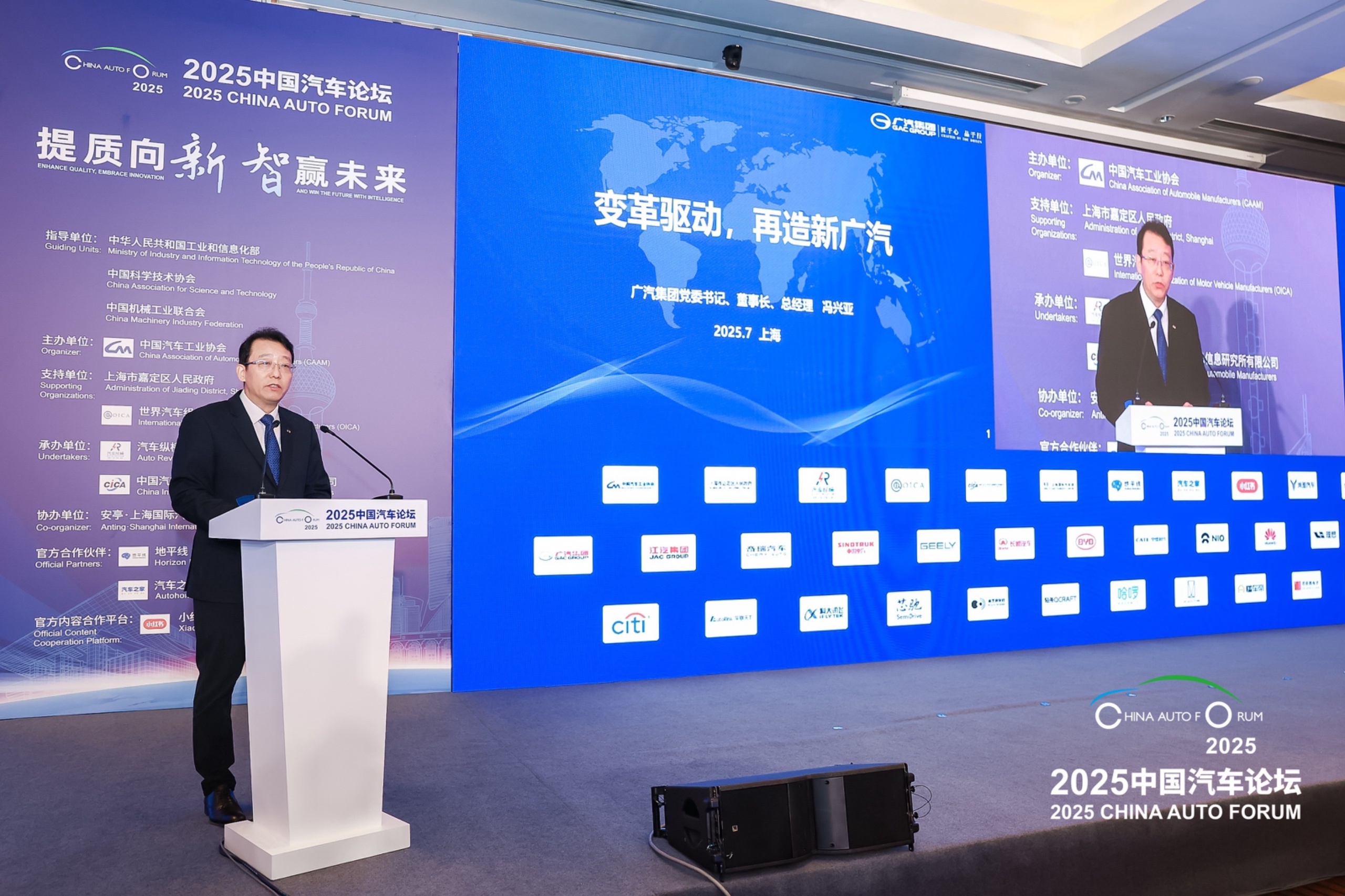
Core Viewpoint - GAC Group has declared a "wartime state" in response to significant financial losses, marking a critical turning point for the company as it seeks to adapt to the rapidly changing automotive market [3][10][20] Financial Performance - GAC Group anticipates a net loss of 1.82 billion to 2.6 billion yuan for the first half of 2025, marking its first mid-year loss since public disclosures began in 2005 [3][10] - In 2024, GAC's total sales reached 2.0031 million vehicles, a decline of 500,000 units or 20% year-on-year, hitting a five-year low [10] Strategic Initiatives - GAC aims to launch three major campaigns: user demand, product value, and service experience, to reshape the company and enhance competitiveness [5][19] - The company plans to restructure its R&D system to better align with user insights and product delivery [5][6] Market Position and Challenges - GAC's traditional joint ventures, particularly with Honda and Toyota, are experiencing declining sales, contributing to the overall downturn [10][11] - The company’s electric vehicle brand, Aion, has seen a 22.6% year-on-year decline in sales, indicating challenges in maintaining its previous growth momentum [10] Technological Collaboration - GAC has partnered with Huawei, investing 1.5 billion yuan to establish a joint automotive technology company, which is expected to enhance GAC's technological capabilities in smart driving [16] - The collaboration aims to integrate advanced driving assistance technologies into GAC's new vehicle models [16] Future Goals - GAC has set a target for its self-owned brands to account for 60% of total sales by 2027, with a goal of selling 2 million units, including 500,000 in overseas markets [15][18] - The company is focusing on expanding its presence in lower-tier cities to capture the growing demand for electric vehicles [8][10]