塑料花

Search documents
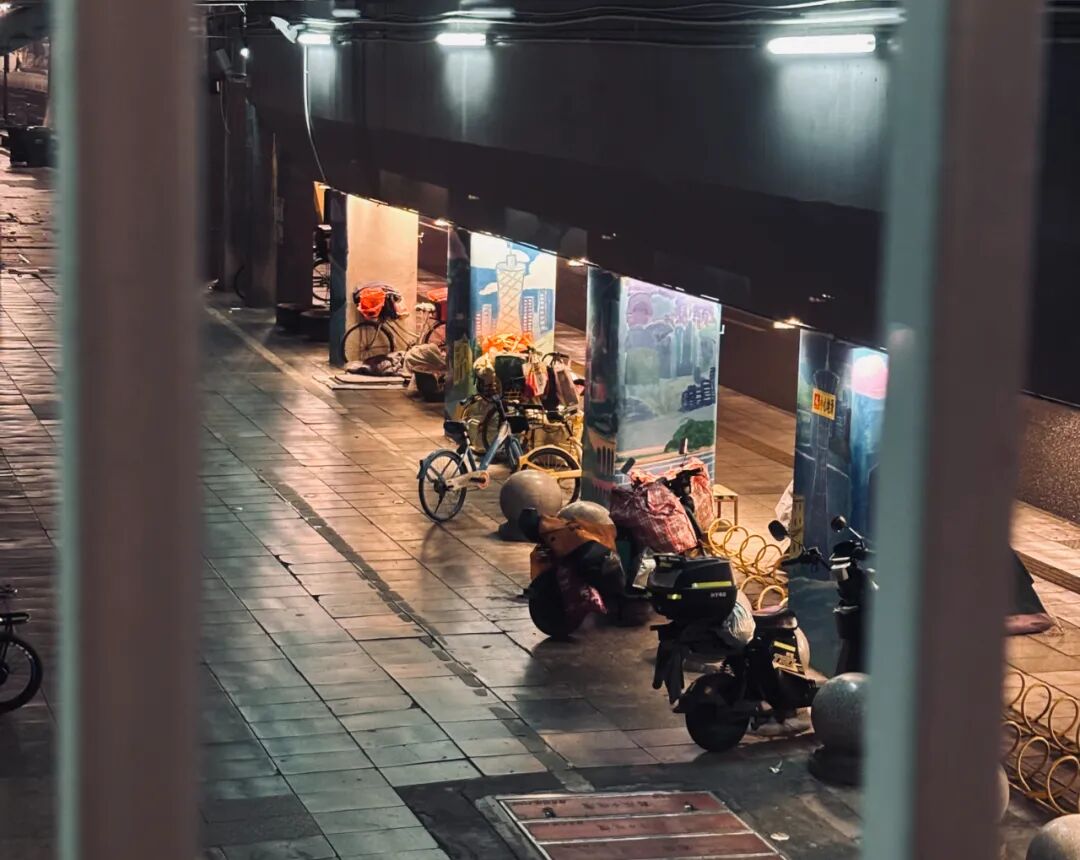
广州鬼市,已死?
3 6 Ke· 2025-12-16 03:11
Core Viewpoint - The article reflects on the transformation of the "Ghost Market" (天光墟) in Guangzhou, highlighting its decline from a vibrant night market to a quiet and sparse gathering, illustrating the changes in urban life and the stories behind the vendors and their goods [1][5][15]. Group 1: Market Description - The "Ghost Market" was once a bustling night market where various goods, including antiques and everyday items, were traded under the cover of darkness, creating a unique atmosphere of excitement and discovery [6][21]. - The market has significantly diminished in size and vibrancy, with fewer vendors and a lack of quality items compared to its past glory, indicating a shift in consumer behavior and market dynamics [5][10][15]. Group 2: Vendor Experiences - Vendors at the market often come from challenging backgrounds, such as being homeless or struggling financially, and rely on the market for their daily sustenance, showcasing the human stories behind the transactions [1][11][32]. - The interactions among vendors and customers reflect a community built around the market, where stories and experiences are shared, despite the market's decline [11][18][30]. Group 3: Cultural Significance - The "Ghost Market" has historical roots dating back to the Ming and Qing dynasties, serving as a place where valuable items were traded discreetly, which adds to its cultural significance [18][21]. - The market's evolution mirrors broader societal changes, with the decline of traditional trading practices and the impact of urban development on local economies and cultures [5][15][21].

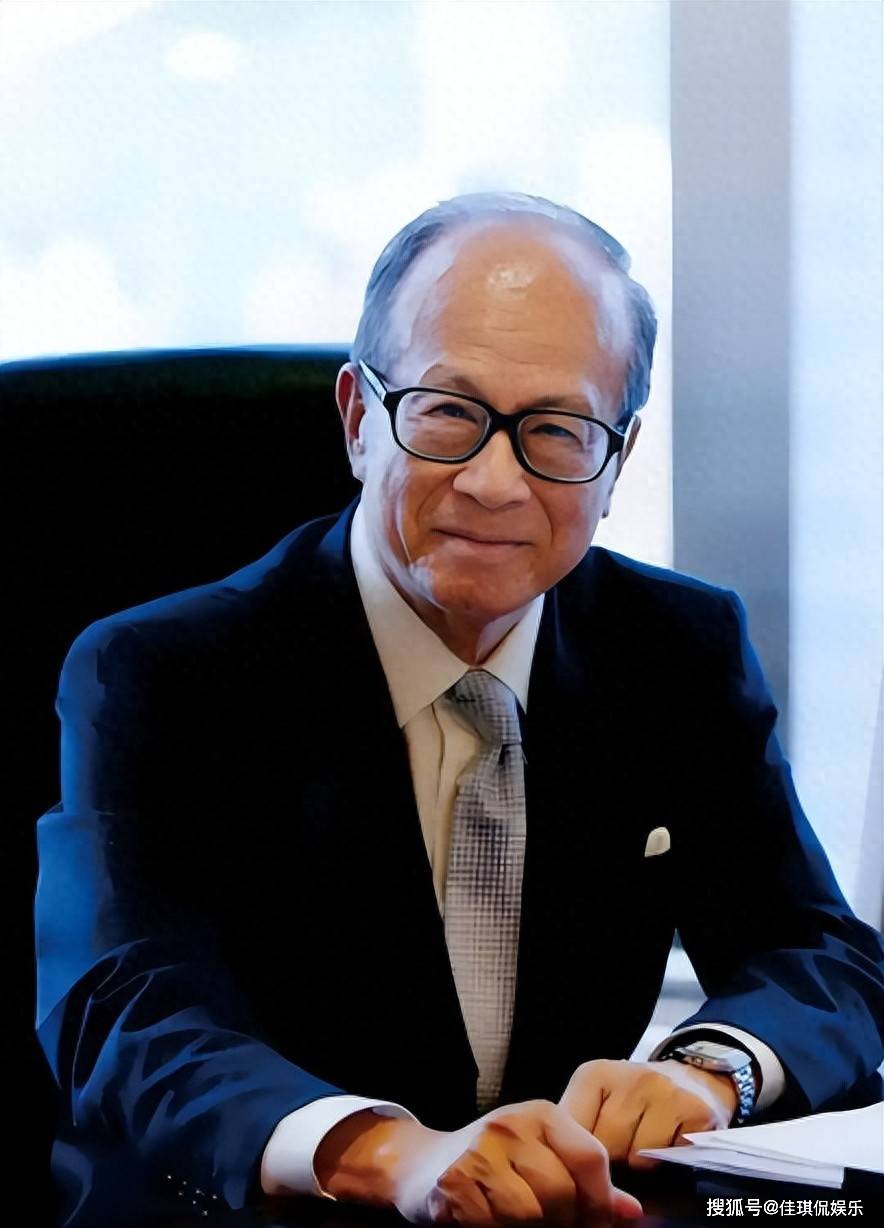
港口事件再生新机,难怪李嘉诚会如此抉择,看了他的过往你就懂了
Sou Hu Cai Jing· 2025-07-29 09:20
Core Viewpoint - The article highlights the business journey and strategic decisions of Li Ka-shing, a prominent figure in various industries, including real estate, ports, energy, and telecommunications, emphasizing his resilience and adaptability in the face of challenges [3][5][60]. Group 1: Business Achievements - Li Ka-shing's business empire spans multiple sectors, with his listed companies once exceeding a market value of over HKD 1 trillion [3]. - He transformed his initial venture, a plastic factory, into a successful enterprise by pivoting to produce plastic flowers, which earned him his first significant profit [18]. - During a downturn in the Hong Kong real estate market, he strategically acquired land at low prices, leading to substantial appreciation in property value [20][22]. Group 2: Strategic Decisions - Li Ka-shing's acquisition of Hutchison Whampoa, a struggling British enterprise, marked a significant turning point, allowing him to integrate various business sectors and turn the company profitable [28]. - His approach to business negotiations emphasizes building trust and maintaining integrity, as demonstrated by his past dealings with competitors [56]. - Recently, in response to public concern over a proposed asset sale to a foreign entity, he opted to invite mainland investors to ensure compliance and protect national interests [50][52]. Group 3: Philanthropy and Social Responsibility - Li Ka-shing has a long history of philanthropy, contributing over HKD 10 billion to education and healthcare in mainland China, including the establishment of Shantou University [58]. - His charitable actions during crises, such as donating HKD 130 million after the Wenchuan earthquake, reflect his commitment to social responsibility [60].