大橘姜黄

Search documents
“超级食物”还没走,“白人中药”又来了
Xin Lang Cai Jing· 2025-12-21 03:08
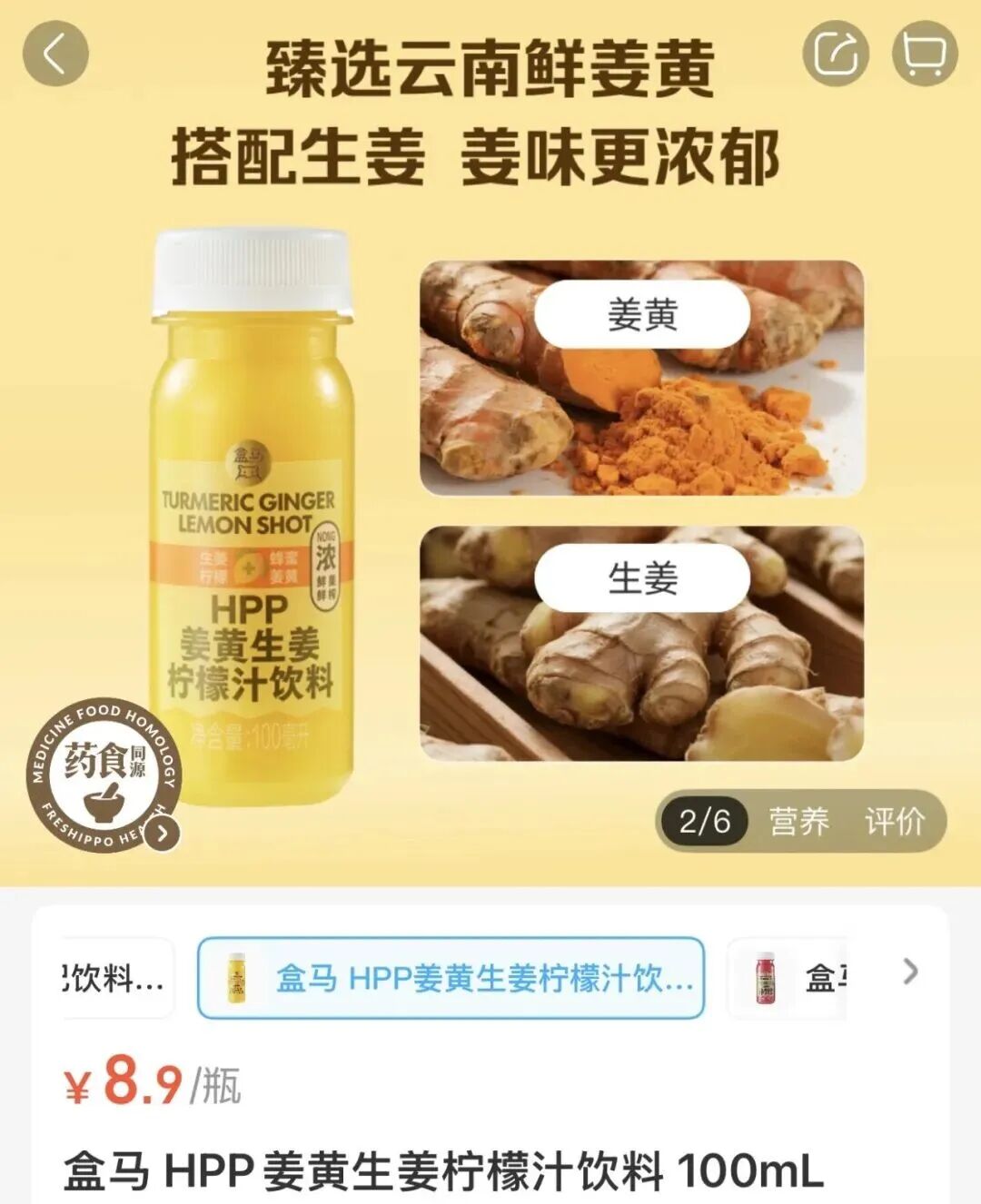
Core Viewpoint - The rise of turmeric drinks, referred to as "white people's medicine," is gaining popularity among health-conscious consumers, particularly the younger generation, despite mixed reviews on taste and effectiveness [1][2][3]. Group 1: Product Popularity and Market Trends - The "HPP Turmeric Ginger Lemon Juice" launched by Hema attracted over 3,000 purchases in its first month and became the top-selling refrigerated drink within a month, with over 20,000 orders [3][5]. - The global functional beverage market is projected to grow from $8.997 billion in 2024 to $31.919 billion by 2033, with a compound annual growth rate of 15.3% from 2025 to 2033, driven by increasing health awareness and demand for convenient products [14]. - The introduction of turmeric drinks by major retailers like Hema and Sam's Club has significantly contributed to the product's popularity, with sales figures indicating a strong market response [13][14]. Group 2: Consumer Behavior and Health Perception - Young consumers are willing to overlook the unpleasant taste of turmeric drinks for perceived health benefits, often driven by social media trends and health anxieties [2][24]. - The concept of "superfoods" is appealing to consumers, with over 60% of Generation Z focusing on health management, leading to a surge in demand for products like turmeric drinks [24][26]. - Despite the marketing of turmeric drinks as health-enhancing, nutritionists caution that the actual health benefits may be overstated, and the high sugar content could negate potential advantages [20][21][26]. Group 3: Nutritional Concerns and Product Composition - Many turmeric drinks contain high sugar levels, with Hema's drink having 445 kJ per 100 ml, which is significantly higher than regular soft drinks [19][20]. - The effective absorption of curcumin, the active ingredient in turmeric, is questioned, as many products do not provide sufficient amounts for health benefits, and the presence of sugar may further complicate this issue [20][21]. - The use of High Pressure Processing (HPP) technology in turmeric drinks helps retain nutrients but also contributes to higher production costs, making these drinks more expensive than regular juices [16][18].

红菜头正在成为“中产通行证”
FBIF食品饮料创新· 2025-05-06 00:31
Core Viewpoint - The article discusses the rise of "superfoods" in the market, highlighting their marketing appeal and the trend of food brands incorporating these ingredients into their products to attract consumers [5][19][33]. Group 1: Definition and Popularity of Superfoods - "Superfood" is a vague term originating from the West, referring to foods rich in certain nutrients, but lacks a strict scientific definition [13][15]. - The popularity of superfoods has surged recently, with various brands launching products featuring ingredients like kale, beetroot, and turmeric, which are marketed for their health benefits [6][7][10]. - A significant factor in the rise of superfoods is a 2022 article from Harvard Health that listed ten superfoods, which gained traction on social media and contributed to the perception of these foods as health-enhancing [20][23]. Group 2: Market Trends and Brand Strategies - In the past year, many food and beverage brands have introduced new products centered around superfoods, with notable examples including Heytea's kale-based drink and various offerings from other tea brands [6][7][10]. - The trend has expanded beyond beverages to include snacks and meal replacements, with brands like White Elephant and Wang Baobao launching products that emphasize the health benefits of superfoods [10][26]. - Social media data indicates that the most common associations with superfoods have shifted from weight loss to nutrition, reflecting a broader acceptance of these ingredients in everyday diets [29]. Group 3: Historical Context and Marketing Dynamics - The article traces the historical context of superfoods, noting that many have undergone similar marketing transformations in the past, such as bananas and avocados, which were once considered difficult to sell but became popular through strategic marketing [35][37]. - The marketing of superfoods often emphasizes their health benefits while downplaying their historical challenges in gaining consumer acceptance, suggesting that the appeal of superfoods is as much about marketing as it is about nutrition [33][40].
连锁茶咖品牌,正忙着给饮品里加"超级植物"
3 6 Ke· 2025-04-28 11:08
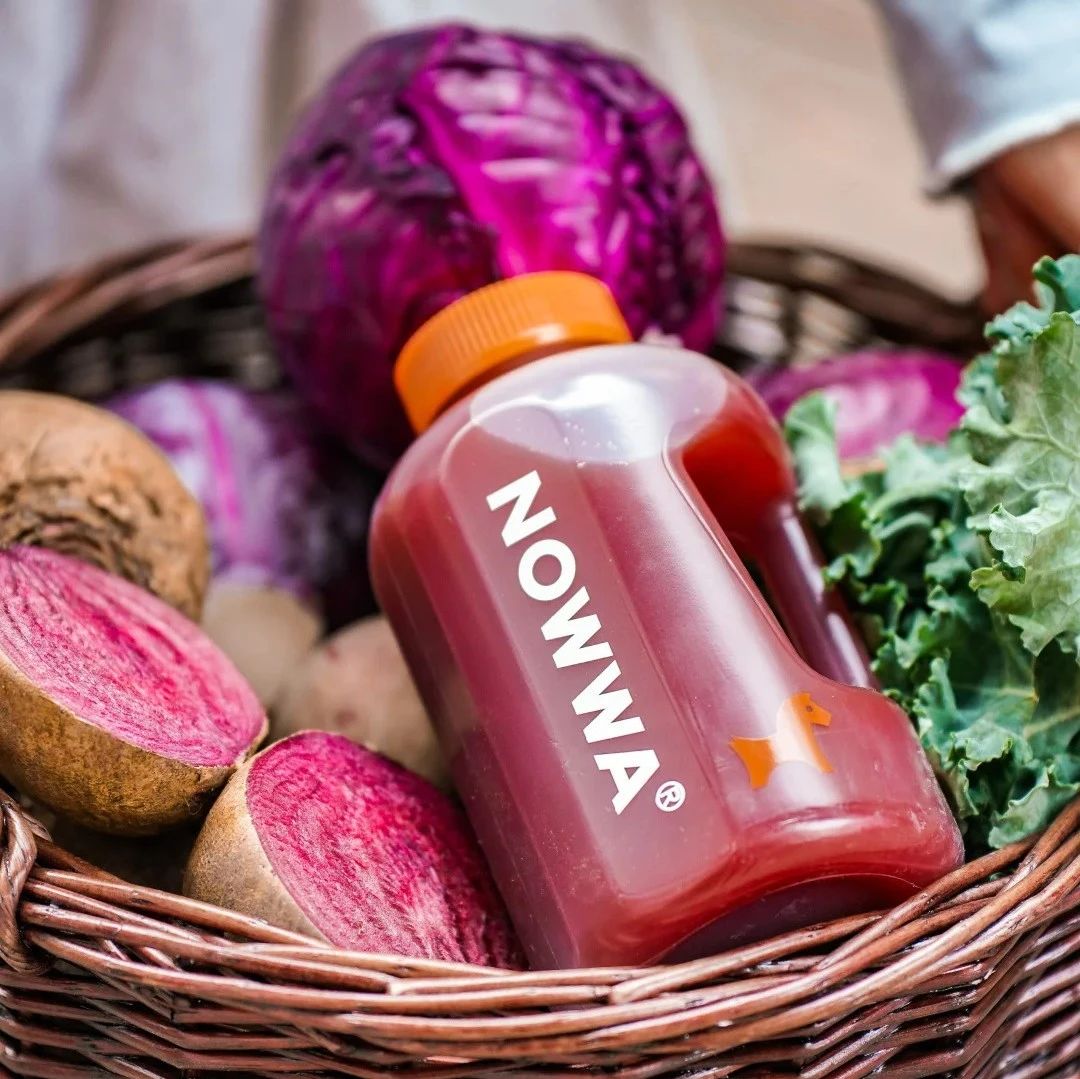
Core Viewpoint - The trend of incorporating "super plants" into beverage menus is gaining momentum among various tea and coffee brands, driven by consumer demand for healthier options and the nutritional benefits of these ingredients [2][11][14]. Industry Trends - The term "super plants" is derived from the Western concept of "superfoods," referring to nutrient-dense plants rich in vitamins [2]. - A report indicates that super plants are expected to be a significant trend in new tea beverages for 2024, with brands like Heytea and Nayuki introducing products featuring ingredients like kale, beetroot, and kiwi [2][10]. - The popularity of super plants is reflected in the increasing search index, which saw an 84.09% year-on-year growth, and a 166.10% increase in the comprehensive index [13]. Product Innovations - Various brands are launching new products featuring super plants, such as Tims' "Beetroot and Ginseng Energy Bottle" priced at 25 yuan, and NOWWA's "Beetroot and Purple Cabbage Americano" priced at 28 yuan [7][9]. - Nayuki's "Slim Green Bottle" and Heytea's "Beetroot Beauty Bottle" have also gained popularity, with significant sales figures reported [15]. Consumer Demand - The health trend is driving consumer interest in beverages that offer natural flavors and nutritional benefits, as opposed to traditional drinks that may contain artificial additives [11][14]. - The demand for plant-based beverages is expected to create growth opportunities in the tea and coffee market, as consumers increasingly seek healthier options [11][14]. Challenges - The use of fresh plant ingredients presents challenges such as short shelf life and higher spoilage rates, which can increase costs for beverage brands [14]. - As more brands enter the super plant beverage market, there is a risk of product homogenization, which could impact differentiation and market share [14].