
婚宴

Search documents
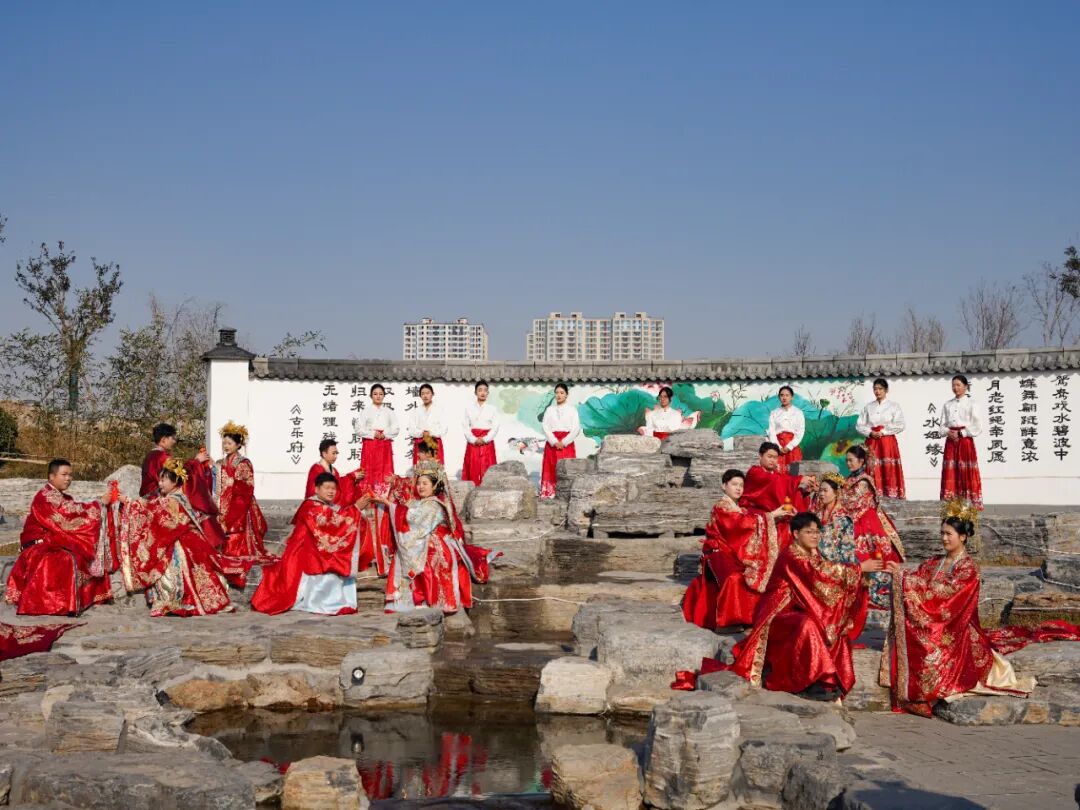
浓浓爱意满邢襄,邢台“甜蜜经济”持续升温!
Xin Lang Cai Jing· 2026-01-02 12:19
Group 1 - The article highlights the vibrant consumer activity in Xingtai during the New Year, driven by various themed events and activities that cater to couples, creating a romantic atmosphere [1][2][6] - The wedding industry is a significant contributor to the local economy, with half of the businesses in the 1979 Xingtai Creative Town related to wedding services, leading to a projected 35% increase in surrounding consumption by 2025 due to new wedding-related merchants [2] - Cultural events, such as the performance of the original historical stage play "Yu Ruan Bridge" and the "Hehe Welcomes the New Year" show, enhance the festive spirit and attract couples, showcasing a blend of traditional culture and modern entertainment [3][4] Group 2 - The scenic spots in Xingtai, such as the Tianhe Mountain and the ice waterfall, provide romantic backdrops for couples, contributing to the area's appeal as a destination for love and celebration [6] - The diverse offerings, including food, entertainment, and cultural experiences, create a comprehensive and immersive experience for visitors, further stimulating local economic growth [2][3][6] - The overall theme of "sweet economy" is emphasized, indicating a growing trend in consumer preferences towards experiences that foster romance and connection during festive occasions [1][2]

“禁酒令”后,小城酒店餐厅为谁亮灯?
Hu Xiu· 2025-07-09 00:24
Core Viewpoint - The article discusses the challenges faced by a foreign five-star hotel brand in a small city due to recent regulatory changes affecting dining and entertainment, particularly the "ban on alcohol" and its impact on business operations [5][7][10]. Group 1: Impact of Regulatory Changes - The hotel industry in small cities is heavily reliant on government-related events and gatherings, which have significantly decreased due to new regulations on public dining [10][14]. - The ban on alcohol consumption has led to a drastic reduction in business, as traditional clients from government and state-owned enterprises have stopped hosting events [10][11][24]. - The shift in client demographics has forced hotels to adapt, with weddings and family gatherings becoming crucial for revenue, although these events are less lucrative than previous corporate functions [15][20][21]. Group 2: Market Adaptation Strategies - Hotels are implementing various strategies to attract customers, such as offering discounted wedding packages and family dining options to maintain some level of business [24][25]. - The focus has shifted to attracting casual diners and local events, with hotels trying to create appealing dining experiences despite lower margins [22][23]. - The marketing and communications departments are under pressure to drive sales, indicating a shift from a previously stable environment to one requiring active customer engagement [25]. Group 3: Signs of Recovery - Recent news of local officials dining out has sparked discussions about a potential easing of restrictions, leading to cautious optimism within the industry [27][28][34]. - Media commentary suggests a distinction between "illegal dining" and "normal gatherings," which may help revive the restaurant sector [31][32]. - There are indications that some former clients are beginning to return, albeit in smaller numbers, suggesting a gradual recovery in consumer confidence [34][35].