
宋宴

Search documents
这个春节,人们涌向小城寻年味
第一财经· 2026-02-13 11:06
Core Insights - The article highlights a new trend in consumer travel during the Spring Festival, where urban tourists are increasingly seeking traditional experiences in lesser-known towns and areas with ethnic minority cultures [3][4]. Group 1: Travel Trends - Popular destinations for urban tourists include cities like Pu'er in Yunnan, Lingshui in Hainan, Kaifeng in Henan, Jingdezhen in Jiangxi, Huangshan in Anhui, Dehong in Yunnan, Chongzuo in Guangxi, and Chaozhou in Guangdong, which have emerged as "dark horse" hotel booking locations for the Spring Festival [3][4]. - The travel industry in Yunnan has shifted from popular routes like "Kunming-Dali-Lijiang" to deeper explorations of lesser-known towns, with local cultural differences becoming a significant draw for tourists [3][4]. Group 2: Booking Trends - Hotel bookings in Yunnan surged from early January, with a notable increase in family travel, particularly among customers aged 30 to 45, many of whom are long-distance travelers from cities like Beijing and Shanghai [3][4]. - Local small hotels and guesthouses in Tengchong were fully booked by mid-January, with many establishments reporting booking volumes exceeding those of the previous year [3][4]. Group 3: Cultural Attractions - Traditional activities in smaller towns, such as hiking in ancient tea forests in Pu'er and experiencing local customs in Kaifeng, are attracting urban tourists looking for authentic experiences [4]. - The cultural appeal of destinations like Kaifeng is highlighted by a 33% increase in tourism bookings, with significant interest in "Song Dynasty" cultural experiences, including a 159% rise in searches for "Song-style Hanfu makeup" [4]. Group 4: Accommodation Preferences - The demand for unique accommodation options, such as loft-style homestays, has surged, with a 1080% increase in popularity for such options in Guangdong's Jieyang and a 207% increase in Kaifeng [4]. - The trend of "reverse Spring Festival" travel is gaining traction, with a projected 21% increase in ride-hailing demand in first-tier cities, indicating a rise in users traveling from other locations [5].

以早餐为“媒”构建“市井烟火+文化雅韵”新业态 “美食+文旅”为古都增色添彩
Yang Shi Wang· 2026-01-16 06:26
Core Viewpoint - The breakfast culture in Kaifeng, Henan, is a vital part of the city's identity, showcasing a blend of historical significance and modern consumer trends, contributing to the integration of culture and tourism [1][21]. Group 1: Breakfast Culture and Local Delicacies - Kaifeng's breakfast scene is characterized by a variety of local dishes, with a strong emphasis on soup and noodles, reflecting the city's rich culinary heritage [3][5]. - The traditional "Hu La Tang" (spicy soup) has two variations: the famous meat version and the local specialty "Bai Hu La Tang" (white spicy soup), which is vegetarian and made with a blend of spices [5][7]. - The "Ji Xue Tang" (chicken blood soup) is prepared using traditional methods, simmering whole chickens with secret spices, resulting in a rich, flavorful broth that is often paired with sesame pancakes [7][9]. Group 2: Signature Dishes and Their Cultural Significance - The "Duan Tang Bao" (soup dumplings) is a signature dish that has evolved over centuries, becoming a cultural symbol of Kaifeng, with its preparation involving intricate techniques to achieve a delicate balance of thin skin and rich filling [11][19]. - Local eating customs emphasize enjoying the dumplings while they are hot, highlighting a communal and experiential approach to dining [13][15]. Group 3: Economic and Cultural Integration - The rise in demand for Kaifeng's breakfast offerings is linked to the city's growing cultural tourism, prompting initiatives to preserve traditional culinary skills through vocational training programs [17][21]. - The city has developed a "Traditional Breakfast Map" to guide tourists to 31 authentic breakfast spots, enhancing the culinary tourism experience [21][23]. - Efforts to elevate the quality and branding of local breakfast options are transforming small eateries into popular tourist destinations, creating a new "breakfast tourism" trend [23][27].
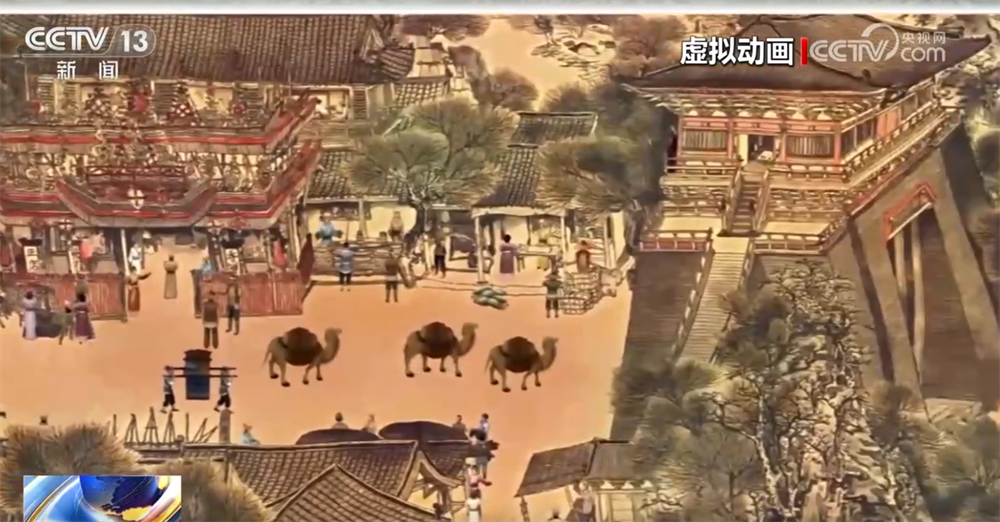
《东京梦华录》《清明上河图》同款美食,这份早餐“攻略”里都有!
Yang Shi Xin Wen Ke Hu Duan· 2026-01-16 05:32
Core Viewpoint - The breakfast culture in Kaifeng, Henan, is a vital part of the city's identity, blending culinary traditions with tourism, and showcasing the historical significance of food in the ancient capital of the Northern Song Dynasty [1][28]. Group 1: Breakfast Culture - Breakfast in Kaifeng is characterized by a variety of local dishes, with a particular emphasis on soups and noodles, reflecting the city's rich culinary heritage [4][12]. - The traditional "Hu La Tang" (spicy soup) has two variations, including the famous meat version and a unique vegetarian version known as "Bai Hu La Tang" [6][8]. - Another popular dish is the "Ji Xue Tang" (chicken blood soup), made with traditional methods that include simmering whole chickens with secret spices for hours [10][12]. Group 2: Culinary Heritage - The "Duan Tang Bao" (soup dumplings) is a signature dish that has evolved over centuries, becoming a cultural symbol of Kaifeng [13][15]. - The preparation of "Duan Tang Bao" involves intricate techniques to achieve a thin, resilient dough that holds the flavorful broth, showcasing the craftsmanship of local chefs [17][19]. - Local culinary schools are now offering courses on making "Duan Tang Bao" to ensure the preservation and continuation of this traditional skill [23][25]. Group 3: Tourism and Economic Impact - The integration of food and tourism in Kaifeng is evident as the city promotes its breakfast offerings to attract visitors, enhancing the local economy [28][32]. - A newly released breakfast map highlights 31 authentic breakfast spots, facilitating tourist navigation and encouraging culinary exploration [30]. - The city's efforts to improve the quality of traditional breakfast offerings have transformed local eateries into popular tourist destinations, contributing to the growth of the breakfast economy [32][38].
