
美食+文旅

Search documents
一碗腌笃鲜,“煨”熟临安20亿元雷笋产业链
Hang Zhou Ri Bao· 2026-02-13 03:25
Group 1 - The core point of the articles highlights the increasing popularity and economic significance of Tianmu bamboo shoots in Lin'an, driven by local culinary traditions and tourism [1][2] - The Tianmu bamboo shoot has become a national geographical indication agricultural product, contributing significantly to the income of local farmers, with over 60% of their income derived from the bamboo industry [2] - The annual production value of bamboo shoots in Lin'an is close to 500 million yuan, with the fresh bamboo shoot trading market being the largest in the Hangzhou area [2] Group 2 - Lin'an has implemented a "three-year action plan for bamboo industry revitalization" to support the growth of the bamboo industry, including the establishment of large-scale agricultural markets and traceability bases [2] - The integration of "food + cultural tourism" and "food + industry" models has accelerated the cross-industry collaboration between Tianmu bamboo shoots and rural tourism, enhancing local economic development [2] - By 2025, the total industrial chain value of Tianmu bamboo shoots is projected to exceed 2 billion yuan, indicating significant growth potential [2]
特色小吃串点成线变身“流量密码” “美食+”延伸文旅消费链条
Yang Shi Wang· 2026-02-02 03:46
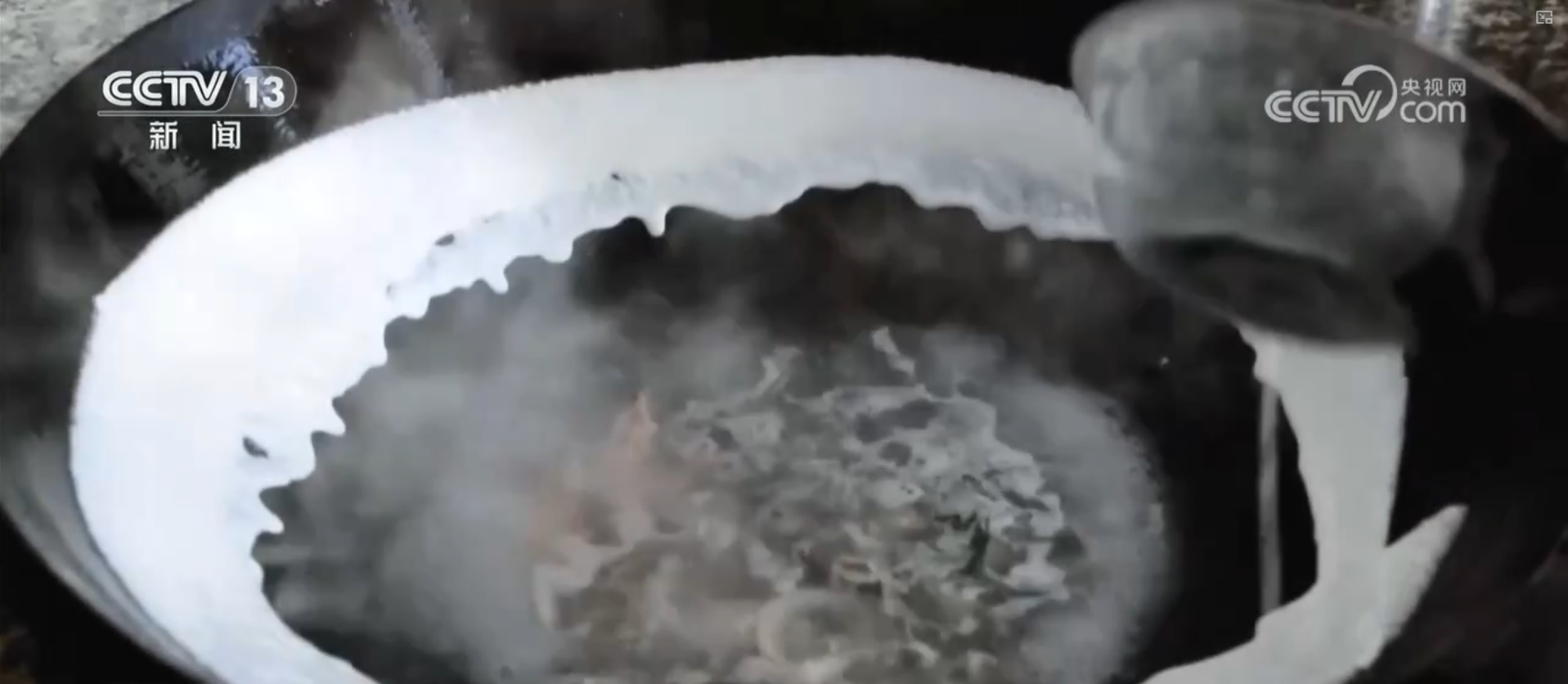
Core Viewpoint - The article highlights the rich breakfast culture in Fuzhou, showcasing traditional dishes like "Guo Bian Hu" and "Xian Lao," which reflect the city's culinary heritage and evolving food scene [1][3][10]. Group 1: Traditional Breakfast Dishes - "Guo Bian Hu," also known as "Ding Bian Hu," is a representative traditional breakfast in Fuzhou, characterized by its clear broth and fresh ingredients [3][5]. - The preparation of "Guo Bian Hu" involves a meticulous process where rice flour is poured around the edge of a hot pot, creating a unique texture and flavor [5][7]. - "Xian Lao," or "Lao Hua," is another traditional breakfast that allows diners to choose from a variety of fresh ingredients cooked in a rich broth, emphasizing the importance of freshness in its preparation [10][12]. Group 2: Culinary Experience and Cultural Heritage - Fuzhou's food scene includes over 60 eateries on the main street of Sanfang Qixiang, featuring 16 time-honored brands, offering a diverse range of breakfast options [16]. - The preparation of "Rou Yan," a local specialty, is recognized as a provincial intangible cultural heritage, with efforts to educate the public about its history and making process through cultural experience centers [18]. - The city promotes a "food + cultural tourism" strategy, linking traditional food experiences with local attractions, enhancing the overall visitor experience [20][22].

以早餐为“媒”构建“市井烟火+文化雅韵”新业态 “美食+文旅”为古都增色添彩
Yang Shi Wang· 2026-01-16 06:26
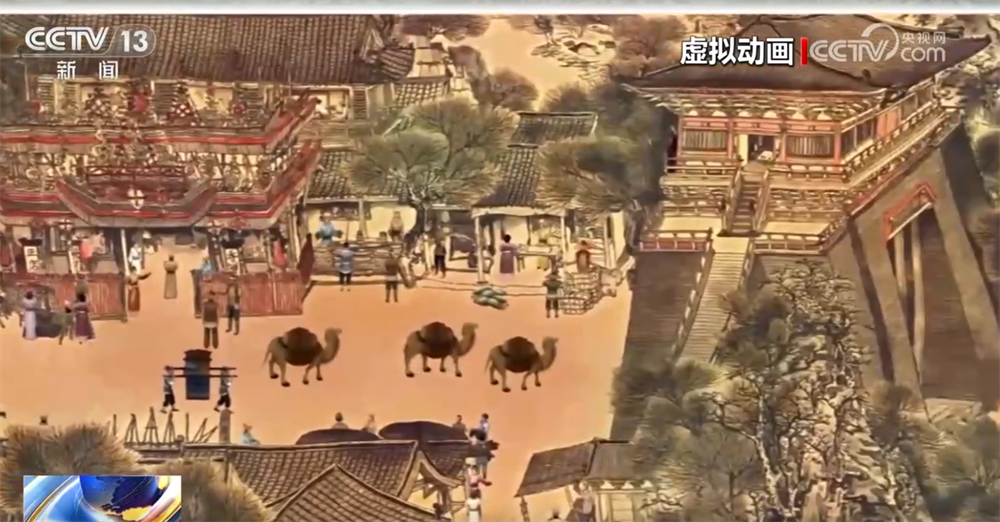
Core Viewpoint - The breakfast culture in Kaifeng, Henan, is a vital part of the city's identity, showcasing a blend of historical significance and modern consumer trends, contributing to the integration of culture and tourism [1][21]. Group 1: Breakfast Culture and Local Delicacies - Kaifeng's breakfast scene is characterized by a variety of local dishes, with a strong emphasis on soup and noodles, reflecting the city's rich culinary heritage [3][5]. - The traditional "Hu La Tang" (spicy soup) has two variations: the famous meat version and the local specialty "Bai Hu La Tang" (white spicy soup), which is vegetarian and made with a blend of spices [5][7]. - The "Ji Xue Tang" (chicken blood soup) is prepared using traditional methods, simmering whole chickens with secret spices, resulting in a rich, flavorful broth that is often paired with sesame pancakes [7][9]. Group 2: Signature Dishes and Their Cultural Significance - The "Duan Tang Bao" (soup dumplings) is a signature dish that has evolved over centuries, becoming a cultural symbol of Kaifeng, with its preparation involving intricate techniques to achieve a delicate balance of thin skin and rich filling [11][19]. - Local eating customs emphasize enjoying the dumplings while they are hot, highlighting a communal and experiential approach to dining [13][15]. Group 3: Economic and Cultural Integration - The rise in demand for Kaifeng's breakfast offerings is linked to the city's growing cultural tourism, prompting initiatives to preserve traditional culinary skills through vocational training programs [17][21]. - The city has developed a "Traditional Breakfast Map" to guide tourists to 31 authentic breakfast spots, enhancing the culinary tourism experience [21][23]. - Efforts to elevate the quality and branding of local breakfast options are transforming small eateries into popular tourist destinations, creating a new "breakfast tourism" trend [23][27].
《东京梦华录》《清明上河图》同款美食,这份早餐“攻略”里都有!
Yang Shi Xin Wen Ke Hu Duan· 2026-01-16 05:32
Core Viewpoint - The breakfast culture in Kaifeng, Henan, is a vital part of the city's identity, blending culinary traditions with tourism, and showcasing the historical significance of food in the ancient capital of the Northern Song Dynasty [1][28]. Group 1: Breakfast Culture - Breakfast in Kaifeng is characterized by a variety of local dishes, with a particular emphasis on soups and noodles, reflecting the city's rich culinary heritage [4][12]. - The traditional "Hu La Tang" (spicy soup) has two variations, including the famous meat version and a unique vegetarian version known as "Bai Hu La Tang" [6][8]. - Another popular dish is the "Ji Xue Tang" (chicken blood soup), made with traditional methods that include simmering whole chickens with secret spices for hours [10][12]. Group 2: Culinary Heritage - The "Duan Tang Bao" (soup dumplings) is a signature dish that has evolved over centuries, becoming a cultural symbol of Kaifeng [13][15]. - The preparation of "Duan Tang Bao" involves intricate techniques to achieve a thin, resilient dough that holds the flavorful broth, showcasing the craftsmanship of local chefs [17][19]. - Local culinary schools are now offering courses on making "Duan Tang Bao" to ensure the preservation and continuation of this traditional skill [23][25]. Group 3: Tourism and Economic Impact - The integration of food and tourism in Kaifeng is evident as the city promotes its breakfast offerings to attract visitors, enhancing the local economy [28][32]. - A newly released breakfast map highlights 31 authentic breakfast spots, facilitating tourist navigation and encouraging culinary exploration [30]. - The city's efforts to improve the quality of traditional breakfast offerings have transformed local eateries into popular tourist destinations, contributing to the growth of the breakfast economy [32][38].

特色市集丰富节前市场 品质升级、暖意涌动点亮节前消费新图景
Yang Shi Wang· 2026-01-10 09:13
Group 1 - A food market named "Seeking the Taste of Huaiyang" is taking place in Changzhou, featuring local delicacies from Changzhou, Zhenjiang, Yangzhou, Huai'an, and Yancheng [5][10] - The market includes over 40 stalls where visitors can taste and purchase local specialties, with chefs showcasing their culinary skills [10][12] - Changzhou is promoting a "food + cultural tourism" package, offering discounts for local residents and visitors to enhance the experience [12][14] Group 2 - The "Eight Market" in Xiamen is a historical seafood market that attracts a large number of visitors, featuring over 270 stalls, with one-third dedicated to seafood [20][18] - The market offers a variety of seafood, including king crabs and Boston lobsters, with prices that cater to different budgets, making it accessible for families [24][27] - The "front shop, back kitchen" model allows for quick preparation of seafood dishes, ensuring freshness and transparency in pricing [30][33] Group 3 - The "Eight Market" also features local snacks, creating a vibrant atmosphere that appeals to tourists and locals alike, making it a new cultural tourism landmark [34] - Plans for the upcoming year include enhancing the market's offerings and linking it with surrounding historical districts to boost consumer engagement [34]

足不出沪吃遍全球!2026“上海环球美食汇”启幕
Guo Ji Jin Rong Bao· 2026-01-09 06:47
Core Viewpoint - Shanghai is launching the "Global Taste in Shanghai" as an annual event IP to promote global culinary experiences, aiming to enhance the city's international food influence and establish a high-quality dining supply system [1][2]. Group 1: Event Overview - The "Global Taste in Shanghai" will kick off with the "European Flavor Season" on January 9, marking the beginning of a year-long culinary celebration [1]. - The event will feature a variety of international cuisines from nearly 10,000 restaurants across 43 countries and regions, showcasing Shanghai's status as an international food capital [2]. Group 2: Strategic Initiatives - Shanghai will focus on nine key areas to strengthen the global food consumption ecosystem, including establishing a market promotion mechanism and supporting the formation of a "Global Taste Professional Committee" [2]. - A unified IP will guide all activities throughout the year, promoting the slogan "Taste the World in Shanghai" to enhance event recognition and outreach [2]. Group 3: Thematic Activities - The culinary events will follow a "4+12+1" thematic structure, with four major seasonal themes (European, Asian, American, and Fusion) and twelve monthly country or regional food activities, culminating in a special Spring Festival event [2][3]. - The first season will focus on European flavors, featuring activities around major holidays such as New Year's, Valentine's Day, and the Lantern Festival [4]. Group 4: Integration with Other Sectors - The initiative will integrate food with cultural and tourism sectors, launching 186 tourism routes that include Western dining experiences and creating themed food events linked to seasonal festivals [3]. - Shanghai will also develop new Citywalk routes and publish a global food guide, promoting popular restaurants and chefs [3]. Group 5: Local Government Support - The Pudong New Area will actively participate by promoting local restaurants and offering discounts during the Spring Festival, along with hosting various themed events throughout the year [5]. - The government aims to create a collaborative mechanism involving government guidance, market leadership, and enterprise participation to enhance consumer experiences and foster a diverse culinary scene [5].
河北:邢台焖饼,可好吃哩!
Xin Lang Cai Jing· 2025-12-20 21:05
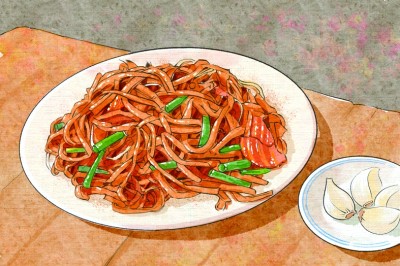
Core Viewpoint - The article highlights the cultural significance and culinary craftsmanship of "焖饼" (braised pancake) in Xingtai, Hebei Province, emphasizing its historical roots and modern adaptations in the local food scene [4][5]. Group 1: Historical and Cultural Background - "焖饼" originated in the Xingtai region, particularly in Julu County and surrounding areas, during the Three Kingdoms period, serving as a practical meal for soldiers [4]. - The dish reflects the local philosophy of resourcefulness, initially created to avoid waste and provide filling meals for families [4][5]. - Xingtai has a rich history of over 3,500 years, with local culture characterized by simplicity, kindness, and hard work, which is embodied in the making of "焖饼" [5]. Group 2: Culinary Techniques and Ingredients - The preparation of "焖饼" involves specific techniques, such as cutting the pancake into 1.5-inch strips to enhance flavor absorption and ensuring a balanced ratio of pancake to vegetables [3][4]. - The dish traditionally uses seasonal vegetables and a small amount of meat or eggs, promoting a nutritious and less greasy meal [3][4]. Group 3: Modern Developments and Events - In November 2025, Xingtai will host a "焖饼" competition to promote local culinary skills and attract culinary talent, integrating modern ingredients like cheese and seafood into traditional recipes [5][6]. - The event aims to enhance the cultural tourism appeal of Xingtai, transforming visitors from mere tasters into cultural participants [5][6].
邢台焖饼,可好吃哩!
Xin Lang Cai Jing· 2025-12-20 20:03
Core Insights - The article highlights the cultural significance and culinary craftsmanship of "焖饼" (braised pancake) in Xingtai, Hebei Province, emphasizing its historical roots and modern adaptations [4][5][6] Group 1: Cultural and Historical Context - "焖饼" originated in the regions of Xingtai, including Julu County and Nangong City, during the Three Kingdoms period, initially created to improve soldiers' diets [4] - The dish reflects local agricultural practices, utilizing high-quality wheat from the North China Plain, and was traditionally made to minimize waste and maximize sustenance [4][5] Group 2: Culinary Techniques and Ingredients - The preparation of "焖饼" involves specific techniques, such as kneading the dough until it is smooth, allowing it to rest for over 20 minutes, and cutting the pancake into precise 1.5-inch strips to ensure optimal texture and flavor absorption [5] - The ratio of pancake to vegetables is crucial, with a 1:1.5 ratio of pancake to vegetables being a key secret to its balanced taste and nutritional value [3][5] Group 3: Modern Adaptations and Cultural Promotion - The upcoming "焖饼" competition in November 2025 aims to promote local culinary skills and attract chefs to innovate by incorporating new ingredients like cheese and seafood [5][6] - The integration of food and cultural tourism is seen as a strategy to enhance Xingtai's appeal, transforming visitors from mere tasters to cultural participants [6]
早茶店变身网红打卡点 “美食+”新体验打开文旅消费新路径
Yang Shi Wang· 2025-12-07 07:46
Core Viewpoint - The article highlights the evolution of breakfast culture in Ningxia, showcasing traditional dishes and the emergence of new dining experiences that blend local flavors with modern aesthetics [8][12]. Group 1: Traditional Breakfast - Ningxia's traditional breakfast includes dishes like lamb offal soup, which is prepared with fresh ingredients and served with various types of bread [3][12]. - Popular breakfast items also feature a variety of fried dough snacks, such as fried dough sticks and pumpkin pastries, which are essential components of the local breakfast experience [5][12]. Group 2: Modern Breakfast Trends - There is a noticeable shift in Ningxia's breakfast scene, with new tea houses and breakfast spots emerging that offer a mix of traditional and modern culinary experiences [8][10]. - A popular new tea house in Yinchuan allows customers to enjoy a wide range of local breakfast options in a contemporary setting, emphasizing small portions and diverse selections [10][12]. Group 3: Cultural Integration - The integration of traditional breakfast with cultural tourism is being promoted, creating new opportunities for growth in the food and tourism sectors [14][21]. - Events like the breakfast food culture festival allow visitors to engage with local culinary traditions while enjoying cultural performances, enhancing the overall experience [21]. Group 4: Creative Products - Many breakfast establishments are now offering creative products, such as food-themed souvenirs, which serve as memorable keepsakes for tourists [17].
2025年广州国际美食节11月19日启幕
Guang Zhou Ri Bao· 2025-11-21 01:42
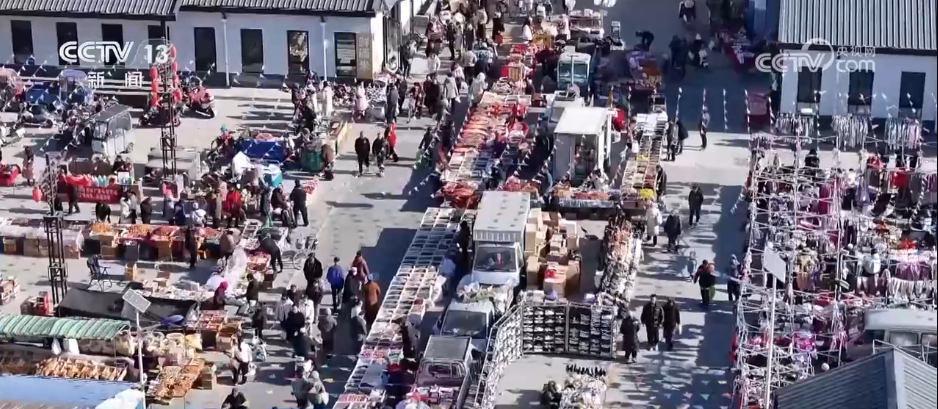
Core Points - The Guangzhou International Food Festival, featuring a blend of culture, technology, and international flair, commenced on November 19 at the Panyu Wanbo Center, lasting for five days [2] - The festival aims to enhance Guangzhou's international reputation and cultural soft power, coinciding with the 15th National Games of China [2] - Approximately 220 exhibition booths are set up, with nearly 100 at the main venue and over 120 in the surrounding commercial area, showcasing a diverse array of culinary offerings [2] Summary by Sections Event Overview - The festival is themed "Food in Guangzhou, Flavoring the Whole Sports," integrating food, sports, culture, and technology [2] - The main venue is divided into 10 areas, featuring various culinary styles, including traditional Chinese cuisine, local specialties, and innovative dishes [2] Online Engagement - A "Cloud Food Carnival" series of activities allows citizens to participate in online food exploration and redeem dining vouchers at over 3,000 partnered restaurants [3] - The event serves as a platform for cultural exchange and consumption activation, with the China Culinary Association emphasizing its role in promoting culinary culture [3] Technological Integration - The festival includes a "Robot Chef Competition," showcasing human-robot collaboration in cooking, along with interactive technology demonstrations [4] - AI-driven food experiences, such as personalized nutrition reports and taste preference analysis, are featured to enhance visitor engagement [4] Industry Collaboration - The festival promotes a "Food + Tourism" synergy, creating culinary tourism routes that connect local attractions with dining experiences [5] - A supply chain matchmaking event is held to facilitate connections between food suppliers and restaurant businesses, fostering industry growth [5]