定位手环

Search documents
心更近、情更浓 大湾区书写融合发展新篇章
Yang Shi Wang· 2025-11-23 01:01
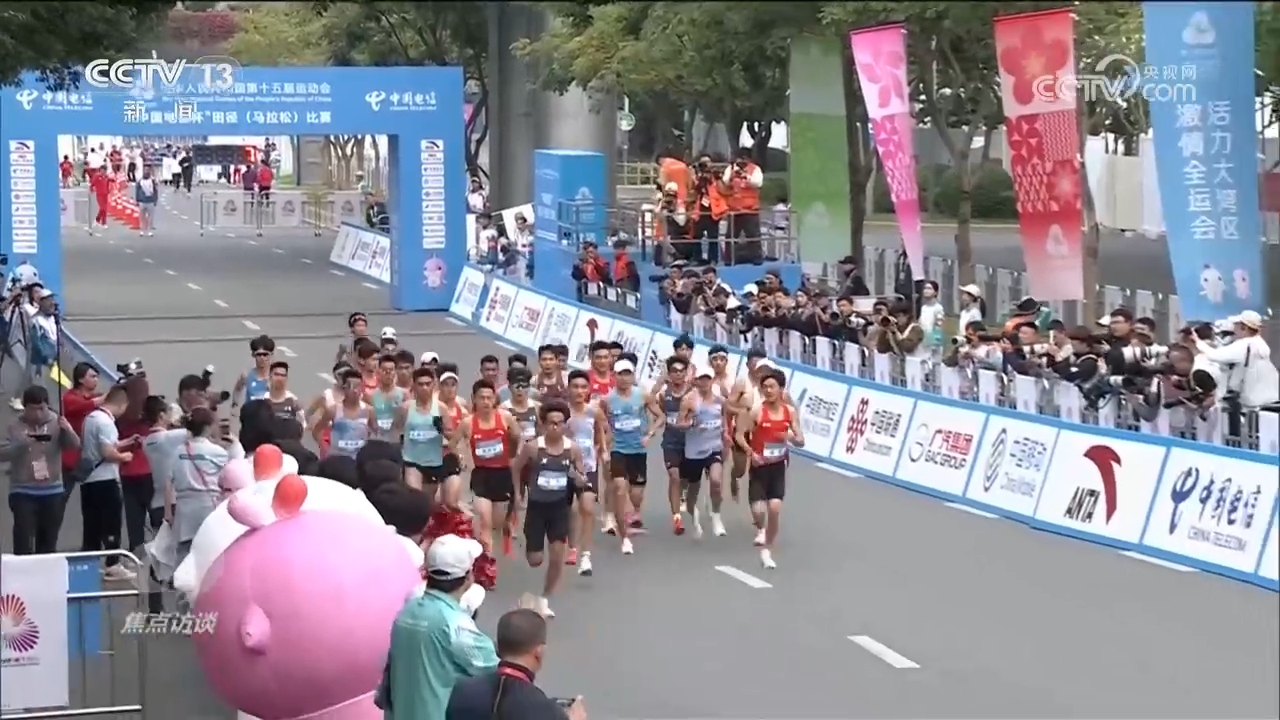
Core Insights - The 15th National Games concluded in Shenzhen, showcasing both emotional farewells from veteran athletes and the emergence of new talent, highlighting the event's unique characteristic of mass participation [1] - The Guangdong-Hong Kong-Macao Greater Bay Area effectively utilized the National Games to demonstrate regional coordination under "One Country, Two Systems" while opening new development opportunities [1] Group 1: Event Management and Technology - The event featured a seamless experience for marathon and cycling athletes crossing borders, facilitated by an innovative "pre-check + closed-loop management" model [3] - Athletes underwent facial recognition checks at the starting point, allowing for uninterrupted competition, supported by location-tracking wristbands [3][6] - The implementation of facial recognition technology at border checkpoints has been expanded to other locations, enhancing future cross-border event management [6] Group 2: Infrastructure and Sustainability - Hosting large-scale sports events typically enhances the sports infrastructure of the host city; for the already well-equipped Greater Bay Area, the focus is on updating venues to be more environmentally friendly and accessible [5] - The Tianhe Sports Center underwent a low-carbon renovation, becoming China's first "near-zero carbon" large sports venue, achieving over 25% energy savings through energy-efficient upgrades [7][9] - The renovation included the installation of distributed photovoltaic systems and a low-carbon management system for precise energy supply [11] Group 3: Community Engagement and Economic Impact - The National Games have increased public interest in various sports, notably skateboarding, which has gained popularity among youth, particularly in Huizhou [15] - Huizhou aims to leverage the event to enhance its outdoor sports infrastructure and attract more high-level competitions, linking sports, industry, and tourism [15] - The event spurred a surge in local tourism, with many visitors coming specifically for the games, contributing to a cultural and tourism boom in the region [20] Group 4: Regional Integration and Volunteerism - The event fostered deeper connections among the Guangdong-Hong Kong-Macao regions, with joint teams and volunteer efforts enhancing community bonds [21][23] - Over 30,000 volunteers from Guangdong, 16,000 from Hong Kong, and 3,500 from Macau participated, serving as a bridge between athletes, spectators, and tourists [23][25] - The successful hosting of the National Games is expected to accelerate the integration of the Greater Bay Area, leading to a more beautiful environment, diverse industries, and increased happiness for its residents [25]

焦点访谈|心更近、情更浓 大湾区书写融合发展新篇章
Yang Shi Wang· 2025-11-22 13:20
Core Insights - The 15th National Games showcased a blend of elite competition and community participation, highlighting the unique characteristics of the event [1] - The Guangdong-Hong Kong-Macao Greater Bay Area effectively utilized the Games to demonstrate regional development and create new opportunities [1] Event Management and Technology - The event featured a seamless cross-border experience for marathon and cycling athletes, utilizing an innovative "pre-check + closed-loop management" model for efficient identity verification [3][6] - The implementation of facial recognition technology and location tracking wristbands enhanced the management of cross-border events, providing valuable insights for future applications [3][6] Infrastructure and Sustainability - Hosting large-scale sports events typically leads to significant improvements in sports infrastructure; the Greater Bay Area focused on upgrading venues to be more environmentally friendly and accessible [5] - The Tianhe Sports Center underwent a low-carbon transformation, becoming the first large-scale sports venue in China to achieve "near-zero carbon" status through energy-efficient upgrades and the installation of distributed solar systems [7][9][11] Community Engagement and Economic Impact - The Games fostered increased interest in sports like skateboarding, particularly in Huizhou, which is positioning itself as a "skateboarding city" [15][16] - The event spurred local tourism and cultural activities, with a surge in visitors from various regions, contributing to the local economy [20] Regional Cooperation and Integration - The Games were co-hosted by 19 cities across the Greater Bay Area, promoting regional coordination and integration among Guangdong, Hong Kong, and Macau [18] - Volunteer participation from various regions enhanced community bonds and facilitated a deeper understanding among the people of the Greater Bay Area [23][25] Future Prospects - The successful hosting of the Games is expected to lead to a more beautiful environment, diversified industries, and increased happiness for residents in the Greater Bay Area, setting the stage for future development [25]
北京正研究制定应对老年期痴呆行动方案
Xin Jing Bao· 2025-09-19 06:19
Core Viewpoint - The article highlights the launch of the 2025 World Alzheimer's Month theme campaign in Beijing, focusing on the prevention and management of dementia among the elderly population, emphasizing the need for early detection and intervention [1][2]. Group 1: Campaign and Awareness - The theme for this year's campaign is "Early Prevention and Early Treatment, Protecting Cognition," aimed at increasing public awareness and understanding of dementia [2]. - Various activities will be conducted around September 21, including online education, free clinics, and community events to disseminate knowledge and eliminate misconceptions about dementia [2]. Group 2: Healthcare Infrastructure - Beijing has established a three-tiered service network for dementia care, involving over 20 tertiary hospitals and community health service centers, with plans to build at least 20 memory clinics by 2025 and 100 by 2030 [3]. - The city is integrating memory clinics into community health services to enhance diagnostic and management capabilities at the grassroots level [3]. Group 3: Health Management Initiatives - Free cognitive function screenings will be provided to residents aged 65 and above, with a target screening rate of over 90% [4]. - The government plans to include brain health check-ups in its public welfare projects, aiming to improve early detection and intervention for cognitive impairments [4]. Group 4: Research and Technological Innovation - The city is exploring the use of digital therapies and artificial intelligence to enhance early diagnosis and intervention for dementia [5]. - Two research projects focused on early identification and biomarker validation for Alzheimer's disease will receive funding as part of the capital's health development initiatives [5].
从996到山野徒步,前小鹏高管给自己造了个AI 「户外搭子」
36氪· 2025-07-10 23:59
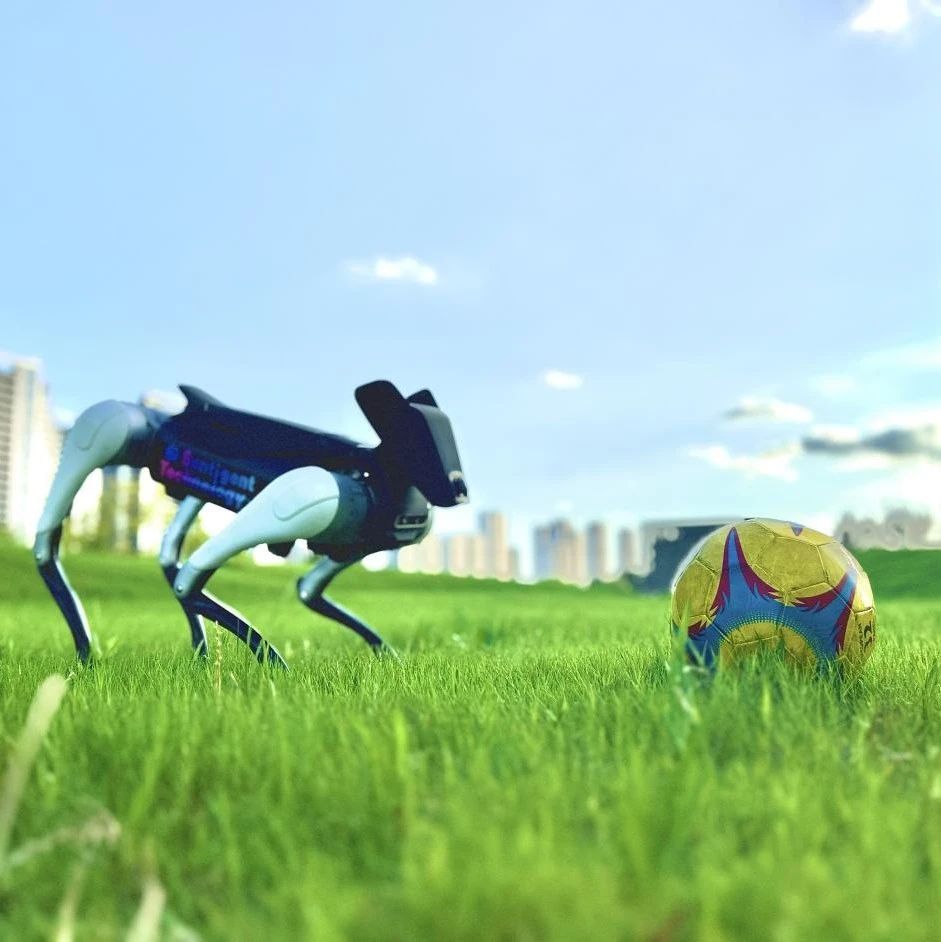
Core Viewpoint - The article discusses the emergence of a new outdoor companion robot designed to address the challenges faced by parents during outdoor activities, combining practical functionality with emotional interaction [4][5][6]. Market Overview - In 2023, 175.8 million people in the U.S. participated in outdoor recreational activities, accounting for 57.3% of the population aged 6 and above, with camping market size projected to grow from $20.38 billion in 2024 to $71.88 billion by 2035, reflecting a compound annual growth rate of 12.14% [2][4]. - Over 78% of parents reduce outdoor activity frequency due to the burden of heavy equipment and the pressure of supervising children [4]. Company Background - Wang Tao, the founder of Shentianji, has a background in AI and autonomous driving, having previously worked at Drive.ai and Xiaopeng Motors [3][14]. - The company aims to create a robot that can assist families during outdoor activities, addressing the dual needs of carrying equipment and ensuring child safety [5][6]. Product Development - The first product will take the form of a robotic dog, featuring smart following systems and load-bearing modules to alleviate the burdens of outdoor activities [5][6]. - The design emphasizes emotional interaction, aiming to transform the robot from a mere tool into a companion for outdoor experiences [6][30]. Technological Evolution - The consumer robotics industry has undergone three waves of development, with the current phase transitioning from exploration to growth, driven by technological advancements and cost reductions [10][11]. - The first wave was characterized by the rise of robotic vacuum cleaners, while the second wave saw the emergence of garden robots, and the third wave is focused on AI-driven educational and emotional support robots [10][11][12]. User Insights - The target demographic, referred to as "Silicon Valley old boys," consists of tech-savvy parents aged 30-50 who value family time and are open to innovative products [34]. - User research revealed that parents desire a robot that not only entertains children but also provides safety and peace of mind during outdoor activities [33]. Future Plans - The product is currently in the development stage, with a complete functional prototype expected by the end of the year [35]. - The company plans to build a user community to encourage sharing and interaction regarding the robot's capabilities [36]. Market Potential - The North American market is seen as a prime opportunity due to its established outdoor activity culture, with over 100 million people regularly engaging in camping and hiking [19]. - The company aims to leverage this market to build brand recognition and expand globally, targeting Europe, Japan, and high-end users in China [19].